

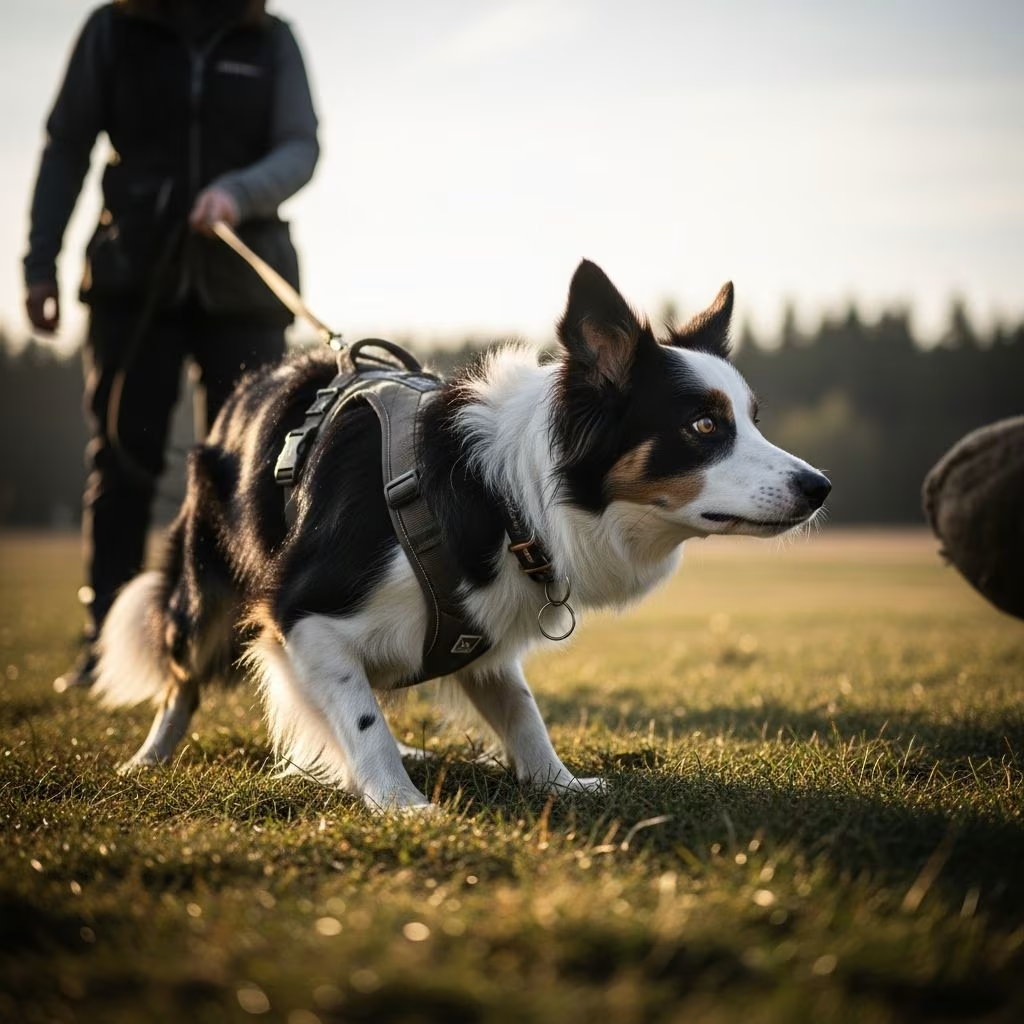
Dogs possess an innate predatory sequence that compels them to pursue moving targets, a trait known as prey drive rooted in their evolutionary past as hunters. This instinct, while natural, requires careful management to prevent risks like chasing vehicles or targeting household pets.
The Evolutionary Roots of Canine Hunting Instincts
Prey drive originates from wolves, where the full predatory sequence—searching, stalking, chasing, grabbing, killing, and consuming—ensured survival. Domestic dogs retain this, though breeding has modified it for tasks like herding or retrieving. Unlike aggression driven by fear or dominance, prey drive lacks emotional tension, making it more trainable as dogs simply seek proximity to the stimulus.
Genetic factors heavily influence intensity; breeds selected for hunting display heightened responses to motion, scents, or sights. This biological wiring explains why fetch games thrill many dogs, mimicking the chase.
How Genetics and Breeding Shape Prey Drive
Selective breeding amplified specific predatory phases in various breeds. Terriers excel at digging and killing vermin, hounds track scents over distances, while herders like Border Collies stalk and chase to control livestock without harm.
| Breed Group | Typical Prey Drive Traits | Examples |
|---|---|---|
| Hunting/ Terriers | Strong chase, dig, kill | Jack Russell Terrier, Foxhound |
| Herding | Stalk, eye, chase | Border Collie, Australian Shepherd |
| Sighthounds | High-speed pursuit | Greyhound, Whippet |
| Retrievers | Chase and retrieve | Labrador, Golden Retriever |
Even low-drive breeds can show sparks, but high-drive ones fixate intensely.
Recognizing Key Indicators of Strong Prey Drive
Observe these behaviors to gauge your dog’s level:
- Intense fixation or ‘locking on’ to moving objects like squirrels or joggers.
- Stalking posture: low body, ears forward, tail stiff.
- Chasing anything in motion, from balls to bicycles.
- Barking, whining, or lunging when prey is inaccessible.
- Difficulty redirecting attention once triggered.
- Digging at burrows or obsessively following scents.
These escalate with practice, as the ‘high’ reinforces the sequence.
Potential Hazards of Uncontrolled Prey Drive
Unmanaged, it leads to dangers: bolting into traffic, harming wildlife or small pets, or straining leashes to injury. In multi-dog homes, ‘predatory drift’ risks arise with size disparities or fear responses mimicking prey, potentially turning play fatal.
Training challenges include distraction during walks or classes. Stress can amplify it, causing spinning or anxiety in kenneled high-drive dogs.
Effective Techniques to Channel and Control Instincts
Management starts with prevention: secure fencing, leashes in trigger zones, and supervision around small animals. Turn drive positive through structured outlets.
Training Drills for Redirection
- Impulse Control Games: Teach ‘leave it’ with high-value treats, gradually adding distance from distractions.
- Recall Under Distraction: Practice in low-stimulus areas, rewarding heavily for returns even mid-chase simulation.
- Tug and Fetch Variations: Use toys to satisfy chase/grab, ending on cue to build ‘drop it’ reliability.
Desensitization exposes dogs sub-threshold to triggers, pairing with rewards to reduce reactivity.
Exercise Regimens for High-Drive Dogs
Daily outlets prevent frustration:
- High-intensity fetch or flirt poles.
- Scent work or tracking games.
- Agility or treibball for mental/physical burn.
- Long hikes on leash to drain energy.
Aim for 60-90 minutes daily, tailored to breed.
Distinguishing Prey Drive from Aggression or Play
Prey-motivated pursuits close distance eagerly, without defensive signals like raised hackles or avoidance. Play bows and relaxed mouths signal fun; prey drive shows rigid focus. Predatory drift blurs when play escalates via size gaps or fear vocalizations.
Breed-Specific Management Approaches
Customize based on genetics:
- Hounds: Scent trails over visual chases.
- Sighthounds: Lure coursing safely.
- Herders: Discourage nipping heels; use herding balls.
Neutering may mildly reduce but doesn’t eliminate drive.
Long-Term Lifestyle Adjustments for Harmony
Integrate mental puzzles, obedience classes, and jobs like weight pulling. Multi-pet homes need gradual intros, monitoring body language. Professional trainers aid severe cases.
Frequently Asked Questions
Can prey drive be completely eliminated?
No, it’s genetic, but training redirects it effectively.
Is high prey drive a sign of bad behavior?
Not at all—it’s instinctual, not defiance.
What toys best satisfy prey drive?
Durable tug toys, flirt poles, and puzzle feeders mimic sequence safely.
Does age affect prey drive?
It peaks in youth, mellows with age, but exercise sustains control.
Should I avoid adopting high-drive breeds?
Only if lifestyle mismatches; they thrive with active owners.
By understanding and directing prey drive, owners foster confident, fulfilled dogs. Consistent effort yields reliable companions.
References
- Understand Predatory Drift in Dogs — Best Dog Learning and Stuff. 2023-01-15. https://bestdoglearningandstuff.co.uk/understand-predatory-drift-in-dogs
- Prey Drive — Golden Retriever Rescue of Atlanta. 2024-05-20. https://www.grra.com/post/prey-drive
- Understanding Prey Drive in Dogs — Whole Dog Journal. 2024-08-10. https://www.whole-dog-journal.com/behavior/understanding-prey-drive-in-dogs/
- Prey Drive in Dogs — PetMD. 2025-01-12. https://www.petmd.com/dog/behavior/prey-drive-dog
- Prey Drive in Dogs: Understanding & Managing — Hills Pet. 2024-11-05. https://www.hillspet.com/dog-care/behavior-appearance/prey-drive-in-dogs



