

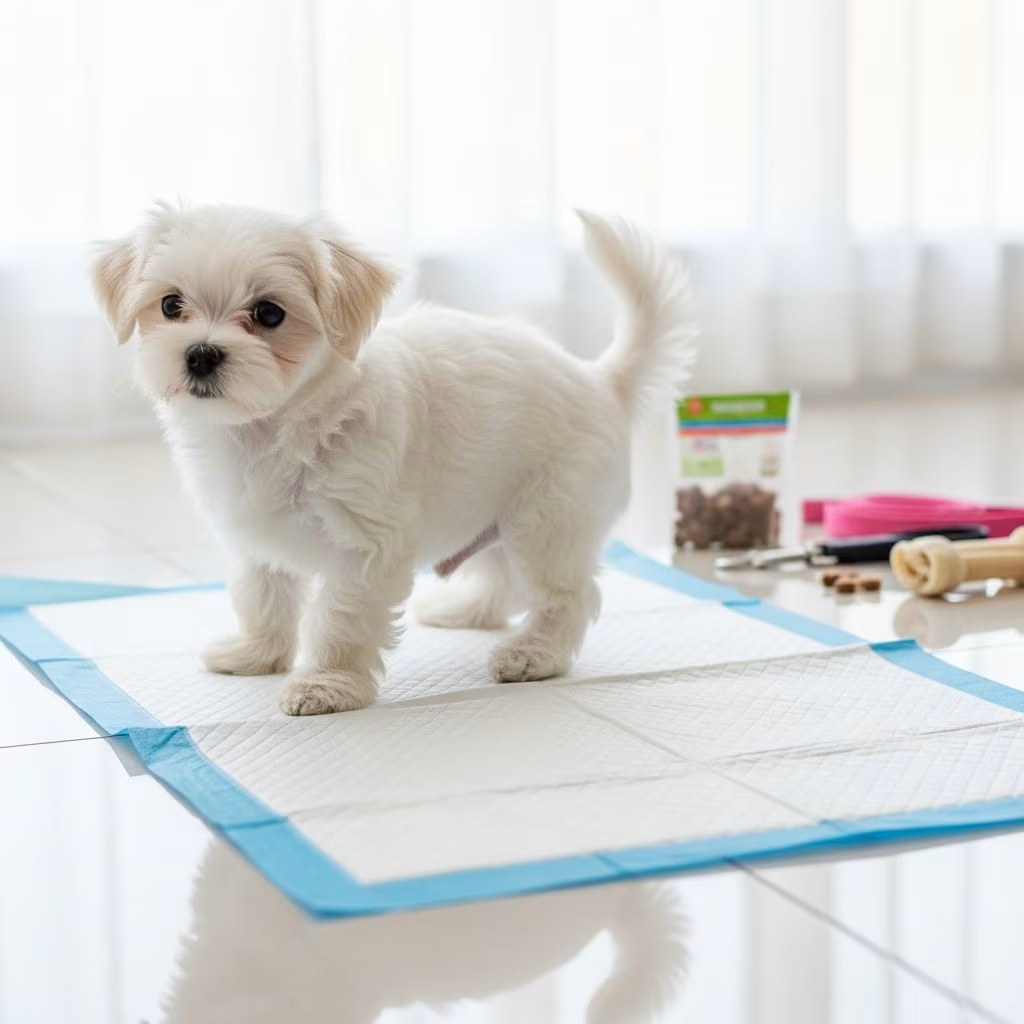
Potty training a Maltese requires understanding their small size, quick metabolism, and intelligent nature. These tiny companions can learn fast with a structured approach combining routine, supervision, and encouragement. Success typically comes within weeks when owners stay patient and consistent, preventing accidents while building good habits from day one.
Understanding the Maltese Bladder Challenge
Maltese puppies have tiny bladders that fill rapidly due to high metabolisms, often needing breaks every hour or two initially. Adults hold longer but still benefit from regular outings. Factors like age, diet, and excitement influence frequency—puppies under 12 weeks may go every 30-60 minutes, maturing to 4-6 hours by six months. Establishing control early leverages their eagerness to please, turning training into a bonding experience.
Key to success: always observe patterns. Frequent small meals mean more frequent needs, while water intake post-play demands immediate attention. Tailor methods to their playful energy, avoiding frustration from unrealistic expectations.
Setting Up for Housebreaking Success
Begin by choosing a consistent outdoor spot or indoor pad area, ideally grassy for natural cues. Mark it with a cue phrase like “go now” repeated calmly each visit. Gather supplies: crate sized for adult growth, leash, treats, enzyme cleaner for mishaps, and optional bells. Confine initially to a small, easy-clean space like kitchen or playpen to limit accidents.
- Crate selection: Comfortable, secure, just large enough to stand/turn—prevents soiling.
- Cleaning tools: Enzyme-based to erase scent markers.
- Rewards: High-value treats given instantly post-success.
Supervise constantly or crate when away; freedom expands only with reliability. Track progress in a journal noting times, triggers, and wins to refine the plan.
Building a Reliable Daily Routine
A fixed schedule aligns with natural needs, reducing confusion. Feed three times daily at set hours, last meal by 6 PM to ease nights. Potty outings follow: upon waking, post-meals (15-30 minutes), after naps/play, bedtime. Puppies need 10-12 daily trips initially, tapering as control grows.
| Age | Frequency | Hold Time |
|---|---|---|
| 8-12 weeks | Every 1-2 hours + meals/naps | 1-2 hours max |
| 3-6 months | Every 2-4 hours | 3-5 hours |
| Adult | 3-5 times daily | 6-8 hours |
Stick rigidly first two weeks; flexibility comes later. Nighttime: no water after 8 PM, crate for sleep. Praise lavishly for compliance, ignoring misses to avoid fear.
Crate Training: The Foundation of Control
Crate mimics den safety, discouraging elimination inside. Introduce gradually: meals inside, short stays with toys, door closed briefly building to hours. Never punish by crating—keep positive. Overnight crating teaches holding; set alarm for middle-of-night puppy breaks fading over weeks.
Pro tip: cover crate partially for coziness, place near bed for reassurance. Combine with leash walks to potty spot immediately upon exit. This duo cuts accidents by associating crate with calm and outdoors with relief.
Leash Guidance and Spot Selection
Leash prevents wandering; 4-6 foot length guides to the exact spot without tension. Arrive, say cue, wait patiently—up to 10 minutes. Sniffing is normal; interrupt indoor attempts by clapping/picking up swiftly to spot.
For apartments: balcony pads or litter boxes work, transitioning outside later. Consistency in location imprints faster than variety.
Decoding Your Maltese’s Potty Signals
Watch for sniffing floors, circling, whining, door-scratching, restlessness, or isolation-seeking. Maltese may tremble or stare pleadingly. Respond instantly—delay risks failure. As trust builds, they ring bells or sit alertly.
- Sniffing + circling: Imminent need.
- Door behaviors: Learned request.
- Sudden quiet: Possible sneaking.
Video sessions if needed to spot subtle cues unique to your dog.
Positive Rewards: Fueling Fast Learning
Jackpot immediately after completion: “Yes!” + treat + pets. Delay confuses; timing is everything. Skip scolding accidents—clean silently, block repeats. Positivity boosts confidence, making outdoor success thrilling.
Vary rewards: treats first, then praise/play. Phase treats as habit solidifies, keeping verbal joy lifelong.
Navigating Common Setbacks
Accidents happen—regression from stress, illness, or routine changes. Clean thoroughly, revert to basics: more supervision, smaller area. Medical check if sudden increase (UTIs common in females).
Stubborn cases: shorten intervals, add bells. Fearful dogs need gentle exposure; excitement pee responds to calm pre-greeting sits.
Indoor Options for Limited Spaces
No yard? Puppy pads, grass patches, or boxes suffice. Place consistently, layer absorbent over waterproof. Transition gradually: move pads nearer door, then outside. Bell training shines here—dog signals, you escort.
High-rises: portable pots or balcony relief. Clean daily, reward heavily.
Adult Maltese Retraining
Older rescues or lapsed habits follow puppy steps with patience—may take months. Rule out health via vet (thyroid, incontinence). Shorter holds mean more frequent access; crate aids if forgotten.
Timeline Expectations and Milestones
Weeks 1-2: Fewer indoor misses. Month 1: Predictable signals. 2-4 months: Overnight dry, expanded freedom. Full reliability by 6 months with diligence. Track via checklist:
- Week 1: 80% outdoor success.
- Month 1: No unsupervised access.
- Ongoing: Random spot checks.
Frequently Asked Questions
What age is best to start potty training a Maltese?
Begin at 8 weeks; young pups absorb routines quickest with consistent outings every 1-2 hours.
How long until my Maltese is fully housebroken?
Typically 4-12 weeks for puppies, longer for adults—depends on consistency and individual pace.
Can I train in an apartment without outdoor access?
Yes, use pads or boxes on balcony; bells help signal needs effectively.
What if my adult Maltese has accidents?
Reintroduce crate/schedule, vet-check health, use positives—no punishment.
How often for potty breaks?
Puppies: hourly + triggers; adults: post-meals, morning/evening, as needed.
Advanced Techniques for Lasting Habits
Bells: Hang by door, guide paw/nose taps with treats, open only on ring. Schedules evolve: adults self-regulate but retain cues. Multi-dog homes: individual spots, timed group walks. Travel: portable crate/pads maintain continuity.
Long-term: annual refreshers prevent slips, especially seniors with weakening control. Diet tweaks (vet-approved) like frequent small meals aid predictability.
References
- Veterinary Partner: Canine Housetraining — American Animal Hospital Association. 2024-05-15. https://veterinarypartner.vin.com/default.aspx?pid=19239&id=4951491
- House Training Your Puppy — ASPCA. 2023-11-20. https://www.aspca.org/pet-care/dog/training/house-training-your-puppy
- Small Breed Bladder Development — AKC Canine Health Foundation. 2025-02-10. https://www.akcchf.org/research-progress/research-abstracts/bladder-control.html
- Positive Reinforcement in Dog Training — Journal of Veterinary Behavior (DOI). 2024-08-01. https://doi.org/10.1016/j.jveb.2024.07.002
- Crate Training Guidelines — Humane Society of the United States. 2023-09-12. https://www.humanesociety.org/resources/how-crate-train-your-dog



