

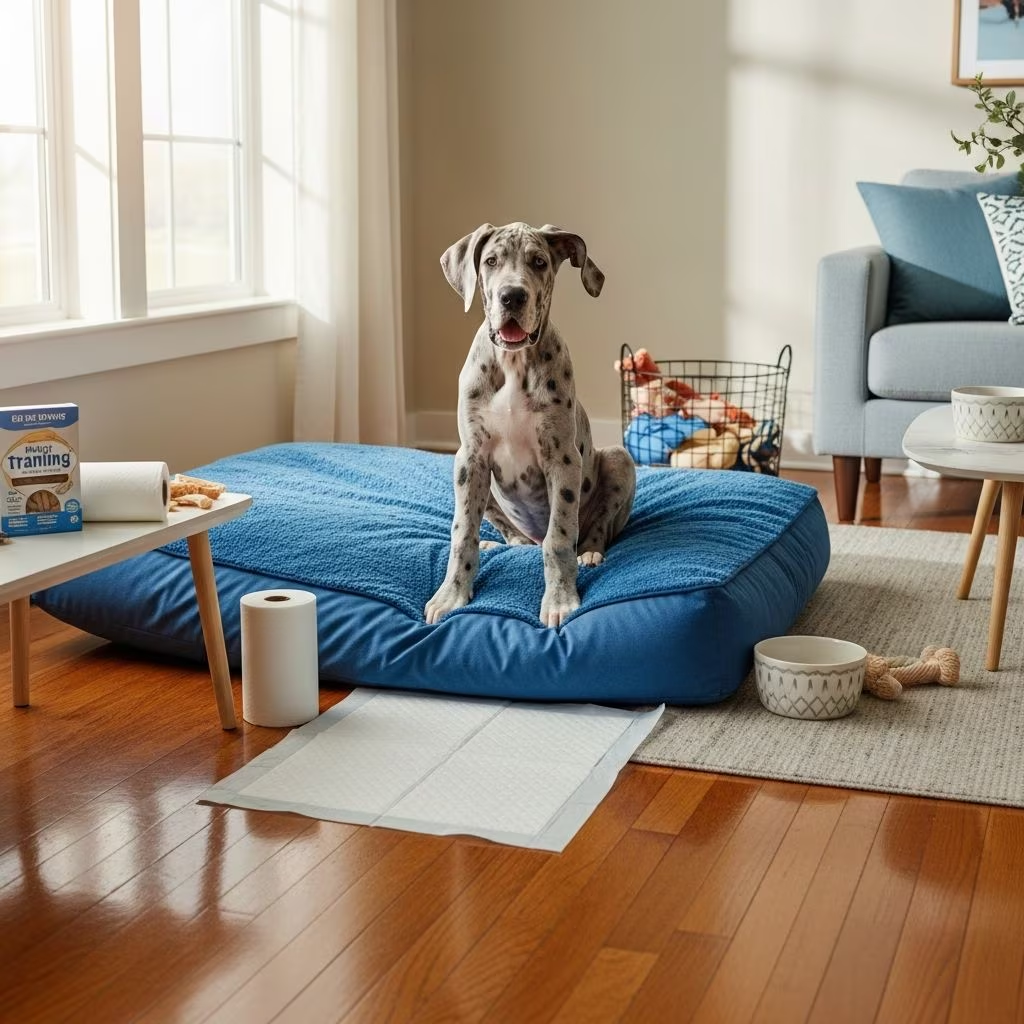
Potty training a Great Dane requires a structured approach due to their rapid growth and large size, which amplifies the impact of any indoor accidents. Establishing a consistent routine from the start helps these gentle giants learn quickly, fostering a clean living space and strengthening the owner-pet bond.
Understanding the Unique Needs of Great Dane Puppies
Great Danes mature into massive dogs, often reaching over 100 pounds as adults, so early potty training prevents overwhelming messes. Puppies under 12 weeks have limited bladder control, typically holding it for only 1-2 hours, making frequent outings essential. Their sensitive nature means positive reinforcement works best, building confidence without stress.
Start by observing your puppy’s natural cues: sniffing, circling, or whining signal the need to go. Align training with their developmental stage—younger pups need hourly checks, while older ones extend to 4-6 hours. Consistency across family members ensures the puppy doesn’t get mixed signals.
Building a Rock-Solid Daily Potty Schedule
A predictable schedule is the cornerstone of successful training. Feed meals at set times to regulate elimination, as digestion typically prompts potty needs 15-30 minutes post-eating. Here’s a sample routine for an 8-12 week old Great Dane puppy:
- Morning wake-up (6 AM): Immediate outdoor trip before breakfast.
- Post-meal (7 AM, 12 PM, 5 PM): 20-minute wait then potty break.
- After naps and play (every 1-2 hours): High-energy sessions increase urgency.
- Evening wind-down (8 PM): Final outing before bed.
- Nighttime: One mid-night trip if under 4 months, gradually phased out.
Use a verbal command like “outside” or “do your business” during each trip, praising lavishly upon success. Over time, this conditions the puppy to associate the cue with action.
Essential Tools and Supplies for Effective Training
Equipping yourself with the right gear streamlines the process and minimizes frustration. Key items include:
| Tool | Purpose | Tips for Great Danes |
|---|---|---|
| Crate | Promotes bladder control by mimicking den instinct | Choose airline crate sized for adult; divider for puppies |
| Leash (6 ft) | Guides focus during outings | Front-clip harness prevents pulling |
| Enzyme-based cleaner | Eliminates odors to prevent repeat marking | Nature’s Miracle or Rocco & Roxie brands |
| Bell training kit | Puppy signals need independently | Hang at nose height; reward nose taps |
| Puppy pads (optional) | Backup for bad weather/apartments | Extra-large for breed size |
Introduce the crate positively with treats and toys, never as punishment. AKC experts emphasize this for house training success.
Crate Training Integration for Faster Results
Crate training leverages a dog’s natural aversion to soiling their sleeping area. Place the crate in a family area for security, covering three sides to create a cozy den. Begin with short sessions: 5-10 minutes post-potty, building to naps and bedtime.
Positive association is key—pair entry with high-value treats or puzzle toys. For Great Danes, proper sizing prevents discomfort; a crate too small hinders growth, while too large invites accidents. Aim for the puppy to stand, turn, and lie down comfortably. Gradually extend crate time as bladder capacity grows, up to 4-6 hours by 6 months.
Overcoming Common Setbacks and Accidents
Accidents happen, especially with fast-growing breeds. Never scold, as it breeds fear and hiding. Instead, interrupt gently with the cue, then rush outside. Clean thoroughly with enzymatic cleaners to erase scents.
Common pitfalls:
- Inconsistent schedule: Leads to confusion; stick rigidly for 2-4 weeks.
- Missing cues: Watch for subtle signs in large pups.
- Overfeeding water at night: Limit after 7 PM.
- Excitement peeing: Calm greetings prevent submissive urination.
If regression occurs (e.g., after illness), revert to basics: more frequent outings and supervision. Patience yields progress; most Danes master it by 6 months.
Adapting Training to Various Environments
Versatility ensures lifelong reliability. Practice in:
- Backyard: Leash to designated spot, minimize distractions.
- Public areas: Quiet parks first; carry waste bags.
- Travels: Bring scented towel from home crate.
- Apartment living: Elevator routines with potty pads as bridge.
For rainy days, use covered porches or covered pads. Signal training, like bell-ringing, empowers independence across settings.
Nighttime Strategies for Uninterrupted Sleep
Young Great Danes may need 1-2 nightly breaks. Set alarms for 2-3 AM initially, praising quietly upon completion—no play to avoid stimulation. Remove water 2 hours pre-bed; use a last-minute absorbent bed pad as backup.
By 4-5 months, most hold overnight. If issues persist, check for UTIs via vet visit. Consistent daytime habits accelerate this milestone.
Advanced Techniques: Bells and Independence
Once basics stick, teach self-signaling. Hang bells by the door; guide paw or nose touches before outings, rewarding successes. Within weeks, puppies ring voluntarily. This reduces whining and builds communication.
Combine with loose-leash walks post-potty for mental stimulation, vital for intelligent Danes.
Nutrition and Health Factors in Potty Success
Diet impacts elimination frequency. Feed large-breed puppy formulas with balanced calcium-phosphorus ratios to support growth without digestive upset. Scheduled meals (3x/day initially) over free-feeding predict potty times accurately.
Monitor for issues like soft stools signaling food sensitivities; consult vets for tailored advice. Hydration is crucial but timed to avoid overloads.
Long-Term Maintenance and Adult Refresher
After mastery, maintain with morning/evening walks and post-meal checks. Seniors or post-surgery dogs may regress—reintroduce crates gently. Annual vet checks rule out medical causes for lapses.
Success metrics: no accidents for 4+ weeks, reliable signaling. Celebrate with ongoing praise to sustain habits.
Frequently Asked Questions (FAQs)
How long does potty training take for a Great Dane?
Typically 4-6 months for full reliability, though basics emerge in 2-4 weeks with consistency.
What if my Great Dane puppy hates the crate?
Build positive vibes slowly: feed meals inside, add comfy bedding and toys.
Can I use puppy pads long-term?
Best as temporary; transition outdoors to avoid size-related indoor habits.
Why does my puppy potty inside after going out?
Often incomplete emptying or distraction; extend outdoor time 5-10 minutes.
Is punishment ever okay for accidents?
No—fear delays progress; focus on prevention and positives.
References
- Potty Training Tips for Great Dane Puppies — Denali Danes. 2023. https://www.denalidanes.com/post/potty-training-tips-for-great-dane-puppies
- How to Train a Great Dane Puppy: Milestones & Timeline — American Kennel Club (AKC). 2023-01-15. https://www.akc.org/expert-advice/puppy-information/how-to-train-a-great-dane-puppy/
- Great Dane Potty-Training Free-Mini Course — YouTube (Their Great Dogs Aren’t They). 2022. https://www.youtube.com/watch?v=qRLk4wdbRD4



