

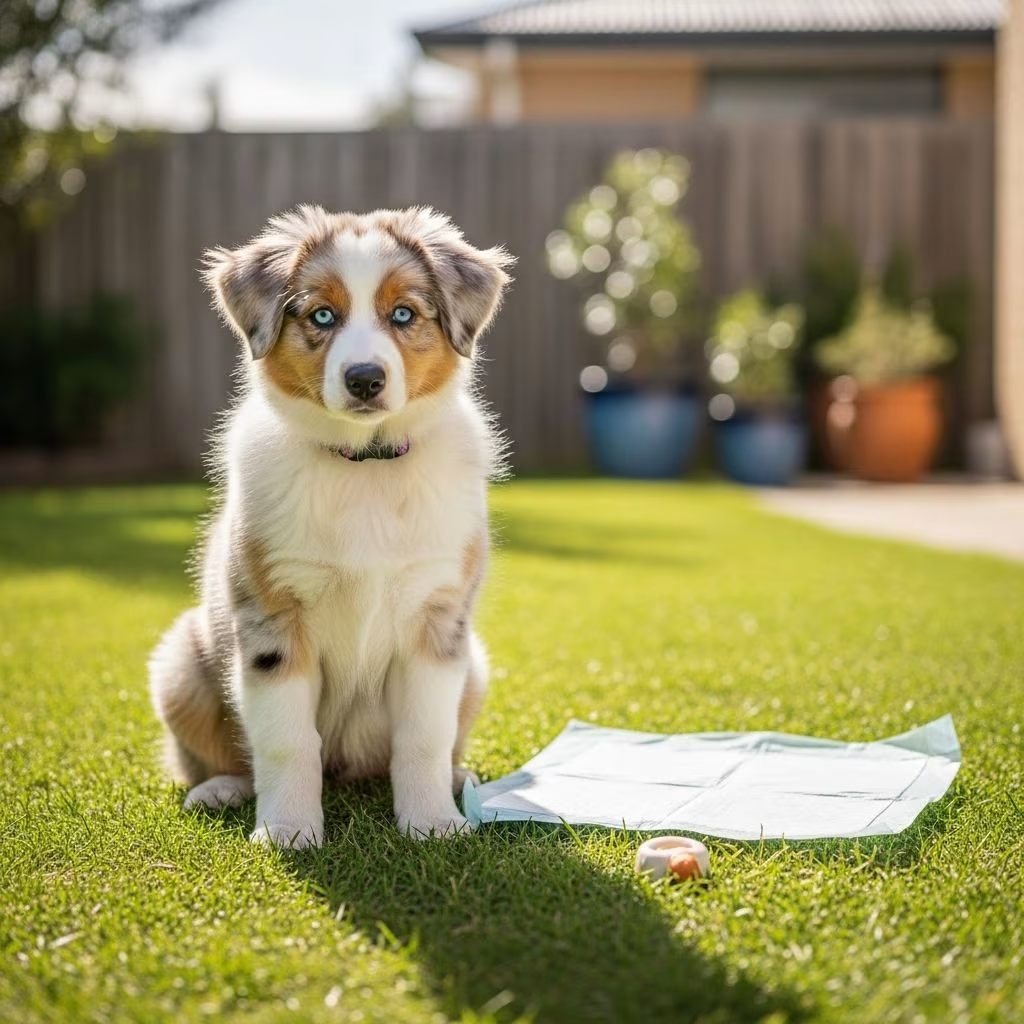
Australian Shepherds, known for their intelligence, energy, and herding instincts, require structured training from an early age to thrive in home environments. Potty training stands as one of the first critical milestones, preventing accidents and fostering a strong owner-pet bond. This guide draws on expert insights to provide a complete roadmap, emphasizing consistency and positive reinforcement tailored to this active breed.
Understanding the Australian Shepherd Temperament in Training
Australian Shepherds possess high intelligence and eagerness to please, making them responsive learners when guided properly. However, their boundless energy and sharp minds demand mental engagement alongside physical exercise during training. Puppies in the 8-16 week phase benefit from basic cues like name recognition and simple commands, which build foundational trust essential for housebreaking success.
These dogs instinctively avoid soiling their sleeping areas, a trait that underpins effective crate training. Yet, their youthful bladders limit control, necessitating frequent outings. Recognizing breed-specific needs—such as the requirement for routine and stimulation—ensures training aligns with their natural behaviors, accelerating progress.
Building a Solid Potty Training Foundation
Success begins with preparation. Before bringing your puppy home, select a dedicated outdoor spot or indoor pad area. This consistency helps the dog associate specific locations with elimination. Puppies under 12 weeks typically need breaks every 30-60 minutes, plus after meals, naps, play, and upon waking.
- Observe signals: Sniffing, circling, or restlessness indicate an imminent need.
- Track intake: Note water and food times to predict potty windows.
- Gather supplies: Leashes, enzymatic cleaners, treats, and crates streamline the process.
A regular schedule mimics natural rhythms, teaching bladder control gradually. For instance, hourly outings for young pups evolve to every 2-3 hours as they mature.
Implementing Crate Training Effectively
Crate training leverages a dog’s innate aversion to eliminating in rest areas, promoting overnight and daytime control. Introduce the crate positively with treats and short sessions, gradually extending durations. Ideal size allows standing, turning, and lying down comfortably—no larger.
| Age Group | Crate Duration Goal | Potty Break Frequency |
|---|---|---|
| 8-12 Weeks | 1-2 Hours | Every 30-60 Min |
| 3-6 Months | 3-4 Hours | Every 2 Hours |
| 6+ Months | 4-6 Hours | Every 3-4 Hours |
Use crates overnight and during absences, but avoid over-reliance to prevent stress in active breeds like Aussies. Combine with playtime to balance confinement.
Core Strategies for Daily Potty Success
1. Enforce a Predictable Schedule
Anchor training around fixed times: immediately post-meal, post-nap, and pre-bed. Escort the puppy to the spot on a leash, using a cue like “go potty.” Praise lavishly upon completion to reinforce the behavior.
2. Supervise Diligently Indoors
Constant monitoring prevents indoor accidents. Tether the leash to yourself or use baby gates for confined access. Interrupt mistakes calmly—without scolding—and redirect outside.
3. Reward Immediately and Generously
High-value treats or enthusiastic verbal praise right after elimination solidifies the habit. Delay rewards confuse the association.
4. Maintain Unwavering Consistency
Repetition builds habits. Same spot, same cue, same routine daily. Inconsistent signals bewilder intelligent Aussies.
5. Clean Accidents Thoroughly
Enzymatic cleaners eliminate scents that attract repeat offenses. Blot, don’t rub, to avoid spreading odors.
6. Exercise Patience Through Setbacks
Accidents stem from immaturity, not defiance. Regression occurs with growth spurts or dietary changes—respond with calm redirection.
Age-Specific Milestones and Adjustments
Training timelines vary by puppy age and individual temperament. By 6 months, most Aussies master basics: reliable crate comfort, solid recall starts, and near-complete housebreaking with occasional supervision.
- 8-16 Weeks: Focus on frequent breaks and crate introduction.
- 4-6 Months: Extend intervals, refine cues.
- 6+ Months: Transition to full freedom with trust-building.
Adult rescues may need retraining; assess prior habits and apply similar principles patiently.
Common Challenges and Solutions
Aussies’ energy can lead to distraction during outings—shorten leashes and minimize stimulation initially. Nighttime whining signals needs; limit water evenings and use midnight breaks if necessary.
For stubborn cases:
- Increase frequency before issues arise.
- Incorporate play post-success to motivate.
- Consult vets for medical exclusions like infections.
Tools and Products for Enhanced Training
Invest in quality crates, belly bands for males, and odor-neutralizing sprays. Puppy pads suit apartments but phase out promptly to avoid confusion.
Long-Term Maintenance for a Fully Trained Aussie
Once reliable, maintain cues for travel or changes. Regular exercise curbs excitement-induced accidents. Annual check-ups ensure health supports continence.
Frequently Asked Questions
How long does potty training take for an Australian Shepherd?
Typically 4-6 months for full reliability, varying by age started and consistency. Younger pups progress slower due to bladder limits.
Can I use puppy pads with Aussies?
Yes, for convenience, but transition outdoors quickly to prevent location confusion.
What if my puppy regresses?
Revert to prior schedule levels, rule out health issues, and reinforce basics patiently.
Is crate training cruel for energetic breeds?
No, when done gradually with positive associations; it provides security and aids training.
When can I stop crate use at night?
Around 6-12 months, once overnight control is proven.
Final Thoughts on Achieving a Harmonious Home
Potty training an Australian Shepherd demands commitment but yields a well-adjusted companion. Prioritize positivity, routine, and understanding of their high-drive nature for optimal results. With these methods, your home stays clean, and your bond strengthens enduringly.
References
- How to Train an Australian Shepherd Puppy: Timeline & Milestones — American Kennel Club (AKC). 2023. https://www.akc.org/expert-advice/dog-breeds/how-to-train-an-australian-shepherd-puppy-timeline-milestones/
- How to Easily Potty Train an Australian Shepherd: 6 Vet-Approved Tips — Dogster. 2023. https://www.dogster.com/dog-training/how-to-potty-train-australian-shepherd
- Potty Training — Australian Shepherds Furever. 2022. https://www.australianshepherdsfurever.org/potty-training
- How To Potty Train Your AUSTRALIAN SHEPHERD — YouTube (Fenrir K9). 2022. https://www.youtube.com/watch?v=zoewXFSL0Xs
- Potty Training Australian Shepherd — Australian Shepherd Lovers. 2023. https://www.australian-shepherd-lovers.com/potty-training-australian-shepherd.html
- Potty Training Tips for Toy Aussies and Other Breeds — Marlowin Aussies. 2024. https://marlowinaussies.com/love-toy-aussie-puppies/f/potty-training-tips-for-toy-aussies-and-other-breeds-shared



