

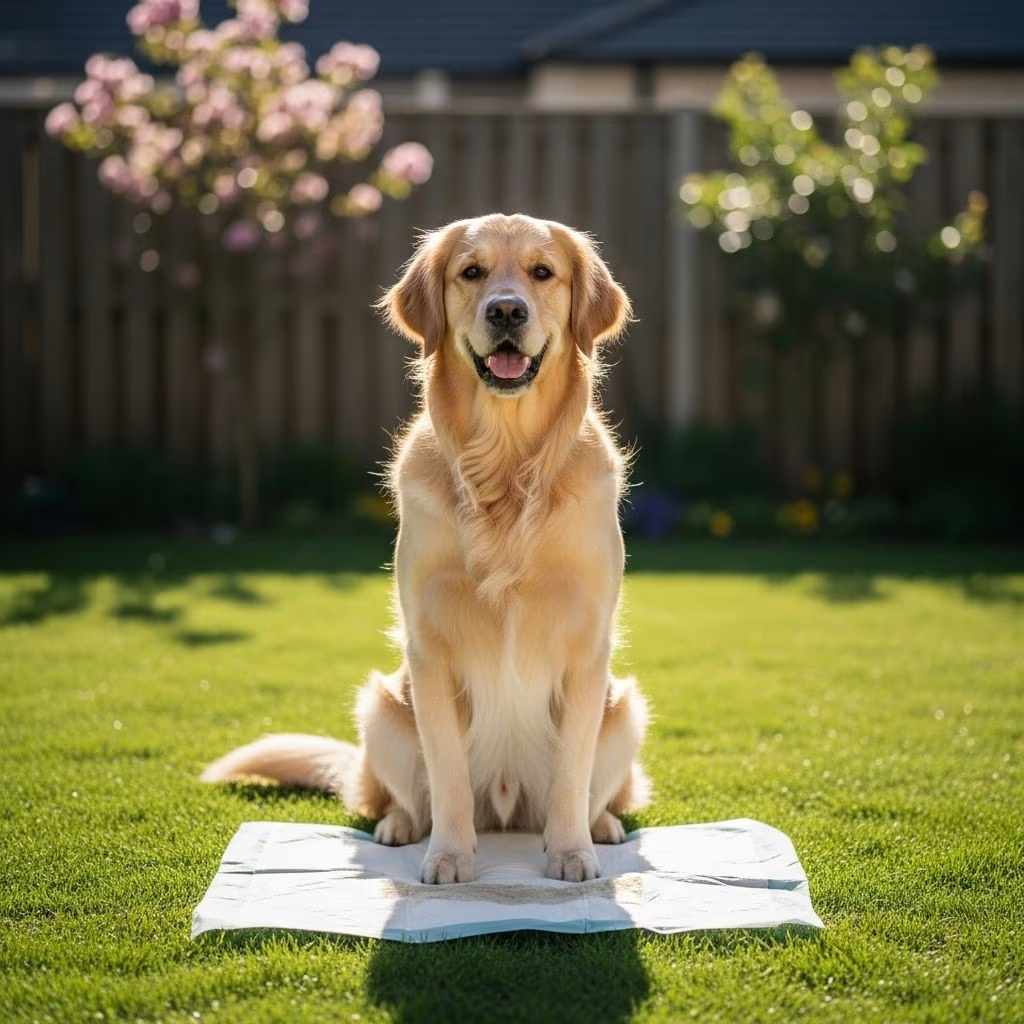
Potty training an adult dog requires understanding their unique needs, establishing clear routines, and using positive methods to encourage outdoor elimination. Many owners adopt older dogs assuming they are housebroken, only to face indoor accidents that stem from past habits or health issues. With consistent effort, most adult dogs adapt within a few weeks, leading to a harmonious household.
Understanding Why Adult Dogs Need Retraining
Adult dogs may arrive in new homes without proper house manners due to shelter life, inconsistent previous training, or medical conditions affecting bladder control. Unlike puppies, older dogs often have ingrained behaviors that must be gently reshaped. Recognizing signs like sniffing, circling, whining, or restlessness helps intervene before accidents occur.
Senior dogs or those with mobility challenges might struggle more, requiring adapted approaches such as indoor pads or frequent short outings. Always consult a veterinarian first to rule out urinary tract infections or other health problems that mimic training issues.
Building a Solid Daily Schedule
Consistency forms the foundation of successful potty training. Feed your dog at set times—typically twice daily for adults—to predict elimination needs. Take them out immediately upon waking, after meals, after play, and before bedtime. Initially, schedule breaks every 60 minutes, gradually extending to 90-120 minutes as reliability improves.
- Wake-up outing: First thing in the morning on a leash.
- Post-meal walks: 15-30 minutes after eating.
- Midday checks: Every 1-2 hours during active periods.
- Evening routine: Before sleep and after evening play.
Use a leash even in fenced yards to focus attention on the task and provide immediate praise upon success. This prevents distractions and reinforces the outdoor location as the potty spot.
The Power of Positive Reinforcement
Rewards accelerate learning by associating outdoor relief with pleasure. Offer high-value treats—like small pieces of cheese or meat—plus enthusiastic verbal praise the moment elimination begins. Say a cue word such as “go potty” consistently to build a signal they recognize.
Avoid free-feeding; controlled meals enhance predictability. Jackpot rewards—extra treats for perfect performance—motivate stubborn cases. Never use punishment for mistakes, as it breeds fear and hiding, worsening problems.
Implementing Crate Training Effectively
Crate training leverages dogs’ natural aversion to soiling their sleeping area. Select a crate large enough for standing and turning but not sprawling—divide larger ones with partitions if needed. Introduce it positively with toys, treats, and short sessions.
| Crate Essentials | Purpose |
|---|---|
| Bedding and water bowl | Comfort and hydration |
| Interactive toys (e.g., stuffed Kongs) | Mental stimulation during confinement |
| Rotated chew items | Prevents boredom |
Confine during unsupervised times or absences, starting with 1-2 hours max. Release immediately upon return for a potty walk. Gradually increase freedom as accident-free days accumulate.
Supervision and Confinement Strategies
Constant monitoring prevents errors. Use baby gates or tethers to limit access to one room initially. Expand space only after 3-7 clean days. If regression occurs, scale back promptly.
For multi-person households, share a training log noting times, successes, and issues to maintain uniformity. Leash-walking indoors during early stages keeps pups close for quick potty trips.
Adapting for Special Circumstances
Senior or Mobility-Limited Dogs
Older dogs may need more frequent outings or pee pads. Transition pads from indoors near the door to outdoors over weeks. Fake grass patches suit apartment dwellers.
Small Breeds in Urban Settings
Frequent short walks every 30-60 minutes accommodate tiny bladders. High-rise living benefits from balcony pads or elevator routines.
Rescue Dogs with Trauma
Patience is key; some fear outdoors from past abuse. Start with familiar scents and build trust through gentle exposure.
Common Pitfalls and How to Avoid Them
- Inconsistent schedules: Everyone must follow the plan.
- Missing signals: Learn your dog’s unique cues.
- Overly large freedom zones: Start small and earn privileges.
- Punishment: Focus on rewards instead.
Track progress in a journal: note outings, outcomes, and patterns. Expect 2-8 weeks for mastery, longer for seniors.
Timeline Expectations for Success
Most adults housetrain in 2-4 weeks with diligence. Small breeds or those with prior bad habits may take 1-3 months. Celebrate milestones like accident-free weeks to stay motivated.
Frequently Asked Questions
How often should I take my adult dog out during training?
Every 1-2 hours initially, plus after key events like meals and naps. Adjust based on success.
Can I use pee pads for an older dog?
Yes, ideal for apartments or seniors. Gradually move them outdoors to transition fully.
What if my dog regresses after progress?
Tighten supervision, revert to closer schedules, and check for medical issues.
Is crate training cruel for adults?
No, when done right, it’s a safe haven that aids training.
How do I handle nighttime potty needs?
Last outing at bedtime; limit water evenings. Crate overnight if needed.
Long-Term Maintenance Tips
Once trained, uphold routines during changes like moves or new pets. Revisit basics with small dogs post-relocation. Enrichment walks sustain habits while providing exercise.
Integrate potty cues into daily life for reliability. Your consistent leadership ensures lasting success.
References
- Dog Training: How to Potty Train an Adult Dog — Purina US. 2023. https://www.purina.com/articles/dog/behavior/training/how-to-potty-train-adult-dog
- How To Potty Train an Older Dog — PetMD. 2024-02-15. https://www.petmd.com/dog/general-health/how-to-potty-train-older-dog
- 9 Tips To Housetrain Your Puppy Or Adult Dog — Fear Free Happy Homes. 2023. https://www.fearfreehappyhomes.com/9-tips-to-housetrain-your-puppy-or-adult-dog/
- Housetraining an Adult Dog — Dog Spring Training. 2024. https://www.dogspringtraining.com/tips/housetraining-adult-dog/
- Housetraining for Adult Dogs — Wisconsin Humane Society. 2023-10-01. https://www.wihumane.org/housetraining-adult-dogs
- How To Toilet Train Your Puppy or Dog — RSPCA. 2024-01-20. https://www.rspca.org.uk/adviceandwelfare/pets/dogs/training/toilettraining



