

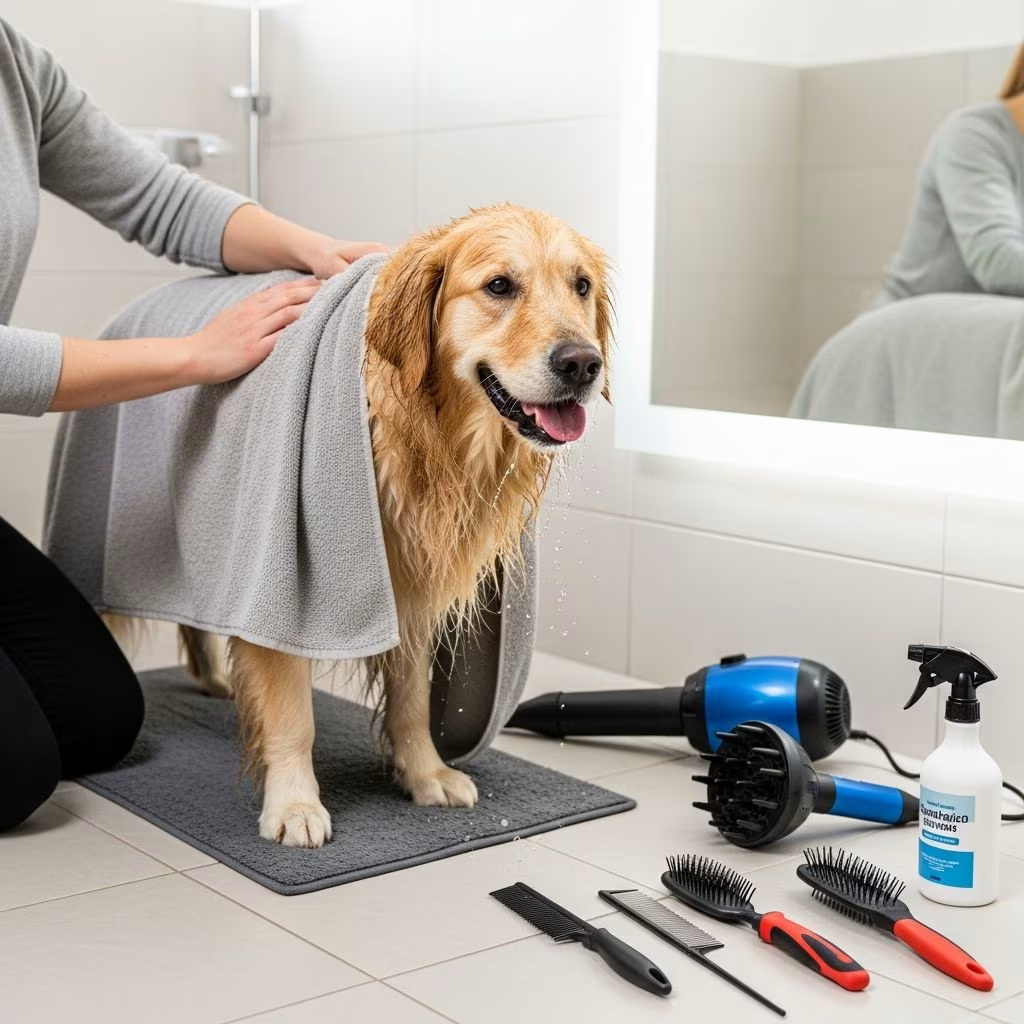
Properly drying your dog after a bath is crucial for maintaining skin health, preventing matting, and ensuring comfort. Leaving a dog damp can lead to bacterial growth, hot spots, and unpleasant odors, especially in thicker coats. This guide provides detailed, safe methods tailored to different coat types, tools, and scenarios, helping you achieve a fluffy, dry finish every time.
Why Thorough Drying Matters for Your Dog’s Well-Being
A wet coat traps moisture against the skin, creating an environment ripe for infections and irritations. For dogs with double or long coats, incomplete drying promotes matting, which can pull on the skin and cause pain. Thorough drying also shortens overall grooming time and keeps your home cleaner by reducing wet-dog shakes indoors. Veterinary experts emphasize that air-drying is often inadequate, particularly in humid climates or colder weather, as it prolongs exposure to dampness.
Regular post-bath drying routines strengthen the bond with your pet through gentle handling and positive reinforcement. It also distributes natural oils, enhancing coat shine and health.
Essential Tools for Efficient Dog Drying
Gathering the right equipment beforehand streamlines the process and minimizes stress. Key items include:
- Absorbent towels: Microfiber or pet-specific towels soak up water quickly without snagging fur.
- High-velocity dryers: These use powerful airflow to remove 85% of moisture without excessive heat.
- Handheld hairdryers: Set to low heat for finishing touches on tolerant dogs.
- Slicker brushes or combs: Prevent tangles during drying, ideal for medium to long coats.
- Ear protection: Cotton balls or hoodies to block dryer noise.
- Quick-dry sprays: Optional aids that help water evaporate faster.
Invest in durable, pet-safe tools to make drying a breeze across multiple baths.
Step-by-Step Guide to Towel Drying
Towel drying is the foundational first step, removing the bulk of water before any heat tools. Start immediately after rinsing to prevent shaking.
- Wrap and press: Envelop your dog in a large towel, gently squeezing from head to tail. Avoid rubbing, which mats fur.
- Section by section: Focus on the head, then back, belly, legs, and paws. Lift flaps to dry underbelly areas thoroughly.
- Multiple passes: Switch to dry towels as needed; microfiber ones can be wrung out and reused.
This method alone suits short-haired dogs in warm weather but pair it with other techniques for fuller results.
Using Dryers Safely and Effectively
Dryers expedite the process, especially for thick coats. Prioritize airflow over heat to avoid burns.
- High-velocity models: Position the nozzle 6 inches from skin, moving with hair growth. Blast back, sides, and legs first.
- Human hairdryers: Low/cool setting only, constant motion, never near face or ears.
- Massage technique: Short back-and-forth strokes mimic petting, calming anxious dogs.
- Passes needed: 5-7 for small dogs, 10-12 for large ones, revisiting sections as water redistributes.
Introduce dryers gradually with treats to build tolerance.
Tailoring Techniques to Your Dog’s Coat Type
Not all coats dry the same way. Customize your approach for best outcomes.
| Coat Type | Recommended Method | Key Tips | Approx. Time |
|---|---|---|---|
| Short/Smooth | Towel + Airflow | Gentle pressing; minimal brushing | 15-25 min |
| Medium/Wavy | Towel + Dryer + Brush | Brush during drying to detangle | 30-40 min |
| Long/Silky | High-velocity + Slicker Brush | Mist with detangler; direction of growth | 45-60 min |
| Double/Thick | High-velocity + Heat Finish | Separate undercoat; check skin | Up to 90 min |
| Curly/Wiry | Airflow Blast + Stretch Brush | Against growth for volume; avoid frizz | 45-60 min |
Adjust based on size, humidity, and temperament. Double-coated breeds like Huskies need extra undercoat attention to prevent trapped moisture.
Brushing and Detangling While Drying
Incorporate brushing to distribute air and prevent knots. Use a slicker brush with light mist spray on sections. For curly coats, brush against growth to fluff; wiry types need directional drying. This step enhances circulation and reveals any damp spots early.
Common Mistakes to Avoid During Drying
Steer clear of these pitfalls for a stress-free experience:
- Rubbing vigorously with towels, causing mats.
- High heat or stationary nozzles, risking burns.
- Air-drying thick coats, leading to infections.
- Neglecting ears, paws, and tail bases, which retain water.
- Skipping final skin checks for hidden dampness.
Patience prevents these issues; rushed drying often backfires.
Special Considerations for Puppies, Seniors, and Anxious Dogs
Puppies and seniors have sensitive skin—stick to towels and low-airflow only. For fearful dogs, use noise-reducing hoodies, start sessions short, and reward heavily. Break into 10-minute intervals if needed.
Enhancing the Process with Quick-Dry Products
Absorbent sprays or powders wick away moisture, cutting drying time. Apply post-towel, before dryers. Test for allergies first; results vary by coat.
How to Verify Your Dog is Fully Dry
Run fingers to the skin across the body—if cool or damp, continue. Pay extra attention to armpits, groin, paws, and ear crevices. A fully dry dog feels warm and fluffs naturally.
Frequently Asked Questions
Can I let my dog air dry after a bath?
Only for short-coated dogs in warm, dry conditions. Avoid for long, thick, or double coats to prevent matting and skin problems.
How long does drying take?
15-90 minutes depending on coat and tools. Tools halve air-drying times.
Is a human hairdryer safe for dogs?
Yes, on low/cool with motion, but pet dryers are preferable for power and safety.
What if my dog hates the dryer?
Desensitize gradually with positive reinforcement or opt for microfiber towels and fans.
Does drying differ by breed?
Yes—tailor to coat texture and density as outlined in the table above.
Building a Complete Post-Bath Routine
Combine drying with nail trims, ear cleaning, and teeth brushing for efficiency. Schedule baths every 4-6 weeks, drying fully each time to uphold coat integrity.
Mastering these techniques ensures your dog emerges from bath time happy, healthy, and stylishly dry.
References
- How to Dry a Dog After a Bath: Easy and Safe Tips for Pet Owners — PDGA Online. 2023. https://www.pdga.online/blog/how-to-dry-a-dog-after-a-bath-easy-and-safe-tips-for-pet-owners
- How to Properly Dry Your Dog After a Bath — Pet Fresh Dog Wash. 2023. https://www.petfreshdogwash.com/how-to-properly-dry-your-dog-after-a-bath/
- Tips for Drying Your Dog After Bath Time — All Paws Pet Wash. 2023. https://allpawspetwash.com/tips-on-how-to-dry-a-dog-after-a-bath/
- 4 Methods For Drying Your Dog After A Bath — Dog Lovers Towel. 2023. https://dogloverstowel.com/blogs/news/no-wet-zone-4-methods-for-drying-your-dog-after-a-bath



