

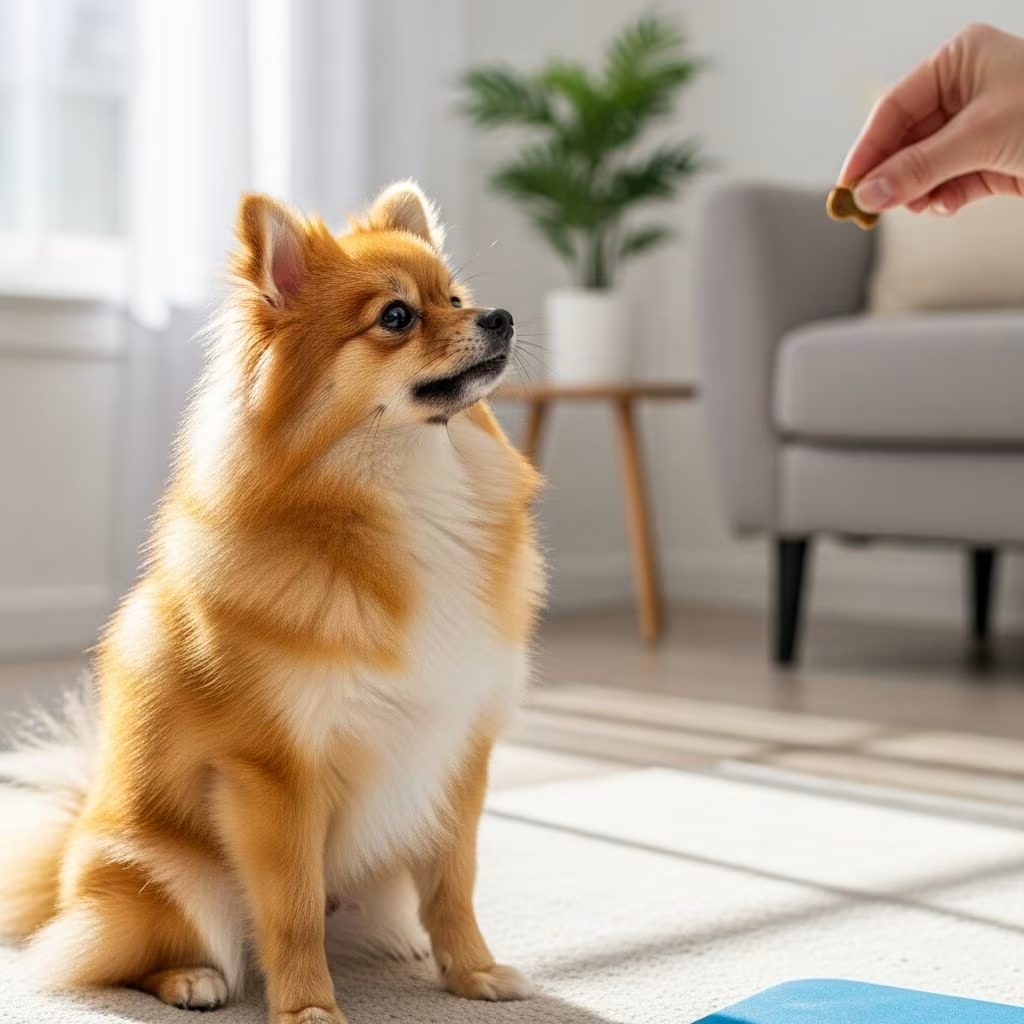
Pomeranians are lively, intelligent toy dogs that respond exceptionally well to structured training when approached with patience and positivity. These fluffy companions thrive on mental challenges and clear guidance, making them capable of learning a wide range of commands and behaviors from puppyhood through adulthood.
Understanding the Pomeranian Temperament
Pomeranians possess a bold personality packed into a small frame, often displaying curiosity, energy, and a touch of stubbornness. Their short attention spans necessitate brief, engaging sessions rather than lengthy drills. Recognizing their need for mental stimulation is crucial, as boredom can lead to unwanted behaviors like excessive barking or chewing.
- High intelligence: They pick up cues quickly but require consistent repetition across environments.
- Energy bursts: Short play periods interspersed with training keep them focused.
- Social nature: Early exposure builds confidence and reduces fear-based reactions.
Training leverages their desire for praise and treats, fostering a deeper human-canine bond while curbing potential issues.
Essential Foundations for Puppy Training
Begin training as soon as your Pomeranian puppy arrives home, ideally between 8-12 weeks. Focus on building good habits early to prevent problems later. Key priorities include creating a safe space, establishing routines, and teaching bite control.
| Foundation Skill | Purpose | Initial Steps |
|---|---|---|
| Crate Introduction | Promotes security and aids potty habits | Place soft bedding inside; feed meals near crate; gradually close door for short periods |
| Potty Routine | Minimizes accidents | Take outside every 2 hours, after meals, and upon waking; use consistent spot |
| Bite Control | Teaches gentle play | End rough play immediately; redirect to toys |
Supervise closely using a harness and short leash indoors to catch signs of elimination. Reward outdoor successes lavishly with treats and enthusiastic verbal praise to reinforce the behavior.
Core Obedience Commands
Mastering basics like sit, stay, come, and down forms the backbone of reliable behavior. Use high-value treats such as small bits of chicken or cheese to motivate, holding them near the nose to guide movements.
Teaching Sit
Stand in front of your Pom with a treat at nose level. Slowly raise it above the head, causing the rear to lower naturally. The moment the bottom touches the ground, say “Sit” and deliver the treat. If needed, gently press the hindquarters down initially, phasing it out quickly.
Mastering Stay
From a sit or down, extend your palm like a stop sign and say “Stay” firmly. Step back gradually while maintaining eye contact. Return, praise, and treat only if position holds. Build duration and distance incrementally, resetting on breaks.
Perfecting Recall (Come)
With a leash attached, say “Come” once and gently reel in while backing away encouragingly. Reward heavily upon arrival. Practice in low-distraction areas first, always using the leash until reliability is proven.
Sessions should last 5-10 minutes, 2-3 times daily, matching their attention span. Consistency across family members prevents confusion.
Leash Manners and Polite Walks
Pomeranians often pull due to excitement. Start indoors: reward walking beside you with slack leash. Stop dead if pulling occurs, resuming only on looseness. Transition outdoors gradually, using treats for check-ins.
- Use a harness to avoid neck strain.
- Practice in quiet areas before busy streets.
- Incorporate games like ‘watch me’ for focus.
For greetings, teach sit at doors or when visitors arrive, rewarding calm behavior to curb jumping.
Housebreaking Success Strategies
Effective house training relies on confinement, supervision, and scheduling. Designate an outdoor spot and use cue words like “Go potty.”
- Confine to playpen or crate when unsupervised.
- Leash-tether for constant monitoring.
- Reward precisely after elimination.
- Clean accidents with enzymatic cleaners to remove scents.
Puppies can hold it for roughly one hour per month of age. Frequent outings prevent setbacks.
Socialization and Confidence Building
Expose your Pomeranian to diverse stimuli between 3-14 weeks: gentle handling, household noises, calm strangers, and vaccinated dogs. Positive associations via treats reduce future reactivity.
- Start small: car rides, vacuum sounds.
- Controlled puppy classes ideal.
- Monitor body language for stress signs like lip licking.
Addressing Common Behavioral Challenges
Pomeranians may bark excessively or nip from overstimulation. For barking, permit a few woofs, say “Quiet,” and offer a treat for silence, extending quiet time progressively.
Prevent resource guarding by trading items during play. Redirect nipping to chew toys, withdrawing attention for persistence.
Advanced Tricks and Mental Enrichment
Once basics are solid, teach fun skills like shake, spin, or fetch-stay combos. For shake: Hold treat low, say “Shake,” and reward paw lifts, advancing to hand signals.
Incorporate puzzle toys, scent searches, and agility obstacles. Daily 10-minute brain games curb destructiveness.
Training Adult Pomeranians
Adults adapt well with calm cues and redirection. Short, reward-focused sessions rebuild habits. Ignore minor misdeeds; amplify good ones.
Positive Reinforcement Principles
This method outperforms punishment, yielding calmer, more eager learners. Mark correct actions with a clicker or “Yes!” followed by treats. Consistency and timing are paramount.
Frequently Asked Questions
How long does it take to house train a Pomeranian?
Typically 4-6 months with diligent routines, though puppies progress faster than rescues.
Why does my Pom ignore commands at home but not elsewhere?
Practice in varied settings to generalize skills; start with low distractions.
Are treats always necessary?
Fade them gradually, using praise and play as primary motivators.
Can older Poms learn new tricks?
Absolutely; brief, fun sessions yield impressive results.
What if my Pom pulls on the leash relentlessly?
Stop moving until slack; reward parallel walking profusely.
Building Lasting Respect and Bond
Institute ‘petting with purpose’: brief strokes ending on your terms to establish leadership. Integrate training into daily life for ongoing reinforcement.
References
- How to Train a Pomeranian: Behaviour Tips Backed by Experts — Vets Love Pets. 2023. https://vetslovepets.com.au/blogs/dog/training-a-pomeranian
- How to Train a Pomeranian — Pomeranian.org. 2021-10-08. https://pomeranian.org/blog/2021/10/08/training/
- How to Train Your Pomeranian: Essential Tips for Success — Dogington Post. 2023. https://www.dogingtonpost.com/how-to-train-your-pomeranian-essential-tips-for-success/
- Proper Pomeranian House Training — PetPom. 2023. https://www.petpom.com/pomeranian-house-training
- Training a Pomeranian to Listen to and Respect His Guardians — Dog Gone Problems. 2023. https://www.doggoneproblems.com/scoot/



