

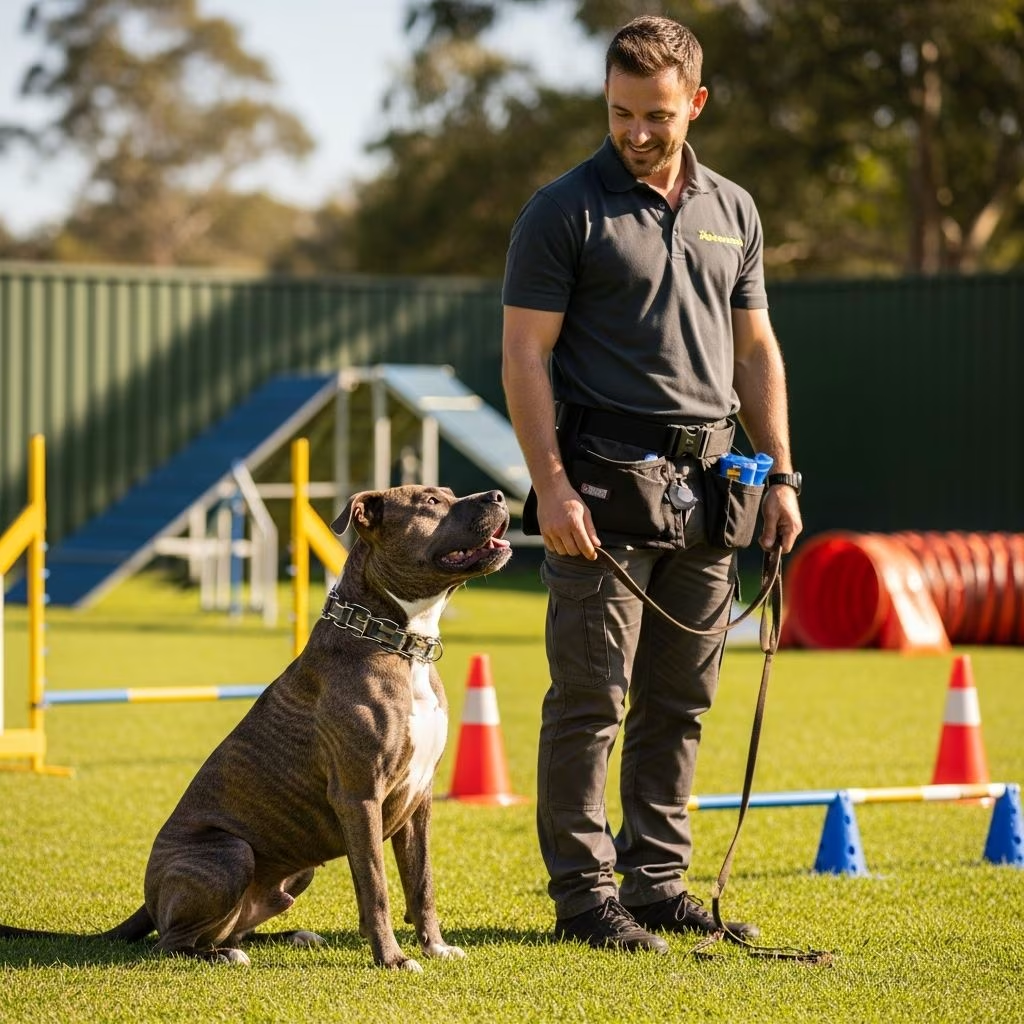
Pit Bulls are energetic, intelligent dogs that thrive on structure and positive interactions. Effective training transforms their strength and loyalty into reliable behavior, fostering a deep bond between owner and pet. This guide outlines a step-by-step approach using positive reinforcement to teach essential skills, address common challenges, and promote lifelong good habits.
Why Positive Reinforcement Works Best for Pit Bulls
Pit Bulls respond exceptionally well to reward-based methods, which build confidence and eagerness to learn without fear. Animal welfare organizations emphasize that aversive tools like prong collars can harm trust and learning. Instead, short, playful sessions with treats, toys, and praise keep sessions engaging and effective.
- Boosts motivation through fun rewards.
- Strengthens the owner-dog relationship.
- Reduces stress, leading to faster skill acquisition.
Consistency is key: practice daily in brief bursts to match their high energy and short attention spans.
Gearing Up: Essential Tools for Success
Quality equipment sets the foundation for smooth training. Select items that prioritize comfort and safety.
| Item | Purpose | Tips |
|---|---|---|
| 6-foot leash | Basic control during close work | Lightweight, non-restrictive |
| Long line (15-20 ft) | Recall practice in open areas | Ideal for safe distance training |
| Harness | Leash attachment without neck strain | Proper fit prevents chafing |
| Clicker | Precise timing for rewards | Pair with high-value treats |
| Crate | Rest and potty training aid | Size allows standing/turning comfortably |
| Treats/Toys | Motivation tools | Choose puppy-approved flavors |
These tools support positive methods, ensuring training remains humane and productive.
Building the Basics: Core Obedience Commands
Start with foundational cues in a distraction-free environment. Use lure techniques with treats, then phase to verbal prompts.
Teaching the Sit Command
Hold a treat near your Pit Bull’s nose and guide it upward over their head. Their rear naturally lowers. Mark with “yes” or a clicker click, then reward immediately. Repeat 5-10 times per session, adding the “sit” cue. Fade the lure after proficiency.
Mastering the Down Position
From sit, lure with a treat toward the ground between front legs. Praise as elbows hit the floor. Build duration gradually. This calms high-energy Pit Bulls effectively.
Perfecting Stay for Impulse Control
With dog in sit or down, say “stay” and hold a palm signal. Reward for holding position, increasing time and distance slowly. Practice prevents jumping or bolting.
Reliable Recall: Come When Called
In a safe space, call “come” enthusiastically while backing away. Reward heavily upon approach. Progress to longer distances with the long line for safety.
Leash Manners and Loose-Leash Walking
Pit Bulls often pull due to excitement. Teach focus with these steps:
- Practice calm leash attachment at home.
- In low-distraction areas, reward eye contact or check-ins.
- Use treat tosses to reset pulling behavior.
- Gradually increase distractions.
Aim for a loose leash where your dog walks beside you attentively. Sessions of 10-15 minutes yield quick improvements.
Socialization: Key to a Confident Pit Bull
Expose puppies to diverse people, dogs, sounds, and environments between 3-16 weeks. Positive pairings with treats prevent fear-based reactivity. Adult Pit Bulls benefit from controlled introductions too. Supervised playdates build social skills.
- Start small: new surfaces, gentle handling.
- Always end on a positive note.
- Enroll in puppy classes for structured exposure.
Crate and Potty Training Routines
Crate training provides a secure den. Feed meals inside, use for short absences. For potty: Take out frequently, praise successes outdoors. Puppies need breaks every 2 hours initially.
Schedule: Wake-up potty, post-meal, post-nap, bedtime. Accidents signal need for more frequent outings. Consistency prevents setbacks.
Addressing Common Challenges
Pit Bulls’ strength requires proactive management.
Chewing and Destructive Behavior
Redirect to appropriate toys. Increase exercise: 60 minutes daily walks plus mental games like puzzle feeders.
Jumping Up on People
Turn away, ignore until all paws are down, then reward calm greetings.
Excessive Barking
Teach “quiet” by rewarding silence after brief barks. Identify triggers like boredom.
Advanced Skills for the Well-Rounded Pit Bull
Once basics are solid, introduce place training (go to mat/bed), heel for precise walking, and tricks like shake. Free shaping—rewarding successive approximations—deepens understanding.
Generalize commands across locations: home, park, friends’ houses. Add distractions, duration, distance progressively.
Nutrition’s Role in Training Readiness
Fuel your Pit Bull with protein-rich diets meeting AAFCO standards. About 20 ounces monthly for average adults supports energy for learning. Consult vets for personalized plans.
Daily Routine for Optimal Training
Integrate training into life:
- Morning: 10-min obedience + potty.
- Afternoon: Walk with check-ins.
- Evening: Crate games + tricks.
- Total: 30-45 min/day split sessions.
Mental stimulation via snuffle mats complements physical exercise.
FAQs
Can Pit Bulls be trained at any age?
Yes, puppies learn fastest, but adults respond well with patience and consistency.
How often should I train?
Short sessions 3-5 times daily prevent burnout.
What if my Pit Bull ignores commands?
Reduce distractions, increase reward value, ensure prior steps are mastered.
Is professional help needed?
For aggression or severe issues, seek certified positive trainers.
Are Pit Bulls hard to train?
No, their intelligence and food drive make them eager learners with right methods.
Long-Term Maintenance
Practice weekly to retain skills. Annual refresher classes keep bonds strong. Monitor health—spay/neuter, vaccines—for best behavior.
References
- How To Train a Pitbull [Dog Trainer Explains] — Bully Max. 2023. https://shop.bullymax.com/blogs/news/how-to-train-pitbull
- How to Train a PITBULL – Pro Dog Trainer! — YouTube (DIYK9). 2023. https://www.youtube.com/watch?v=AJfbGD-XtU4
- Pit Bull Training Basics — Pibbles & More Animal Rescue. 2022. https://www.pmarinc.org/pit-bull-training-basics/
- Teach Your Pit bull this first! (obedience Training) — YouTube (Top Bullies). 2020-11-16. https://www.youtube.com/watch?v=Z6Y2-UWatPQ
- How to Train a Pitbull to Listen on Walks in 3 Simple Steps — Dog Gone Problems. 2023. https://www.doggoneproblems.com/train-a-pitbull-to-listen-daisy/



