

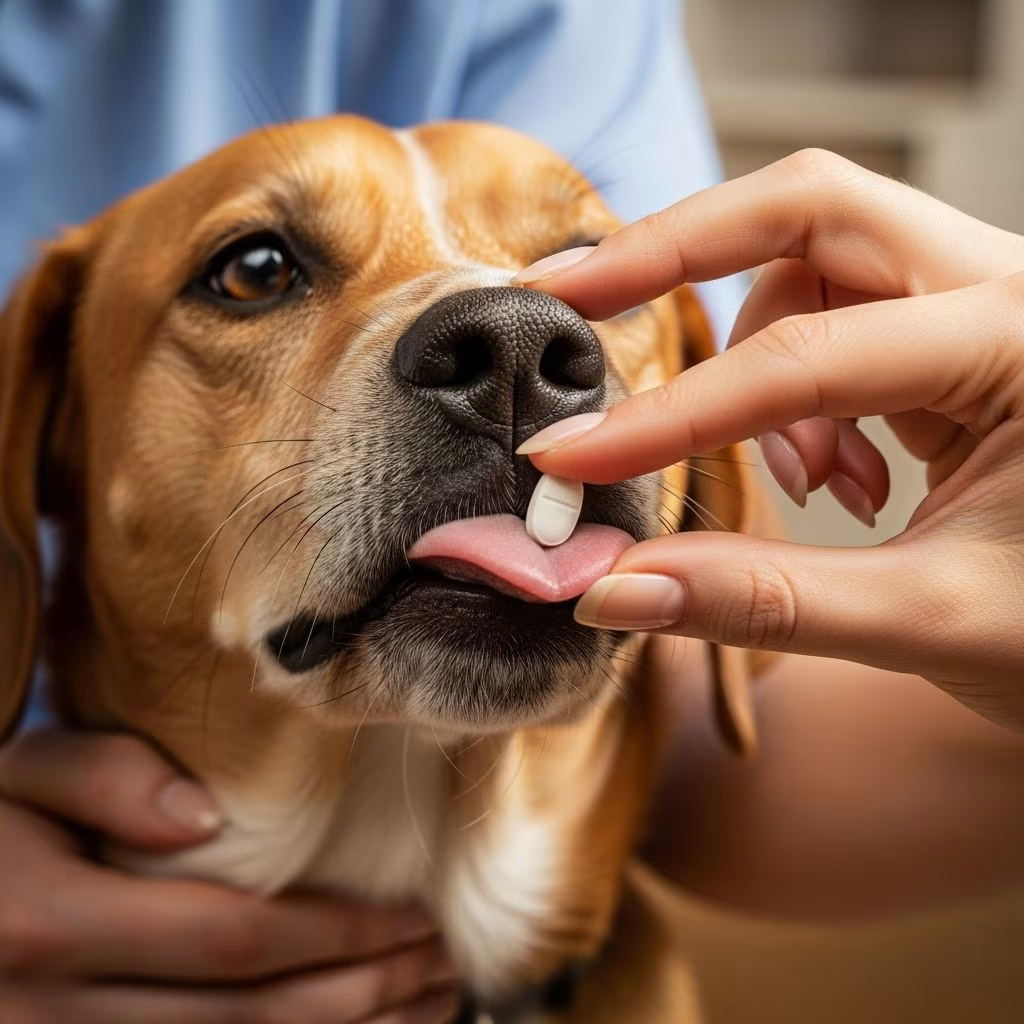
Administering oral medication to dogs is a common yet often challenging part of pet ownership. Whether treating infections, pain, or chronic conditions, ensuring your dog receives the full dose is crucial for effective recovery. This guide explores practical, vet-recommended approaches to make the process smoother, drawing from established veterinary practices to help you succeed without frustration.
Why Proper Medication Delivery Matters
Dogs require precise dosing to achieve therapeutic benefits, as incomplete administration can lead to prolonged illness or antibiotic resistance. Veterinary sources emphasize that calm, consistent methods prevent stress, which might otherwise cause pets to associate medication with negative experiences.Success rates improve significantly when owners use tailored strategies based on their dog’s temperament and the pill’s properties.
- Medications must be given as prescribed to avoid under-dosing.
- Stress reduction benefits both dog’s health and owner’s confidence.
- Adapt methods to pill type—some dissolve quickly, others need intact delivery.
Food-Based Concealment Techniques
The simplest starting point is disguising pills in appealing foods, ideal for cooperative dogs. Select items that mask taste and texture while ensuring the entire pill is consumed. Offer during mealtime when hunger aids compliance.
Ideal Food Choices for Hiding Pills
| Food Type | Pros | Cons | Tips |
|---|---|---|---|
| Peanut Butter | Sticky, flavorful | High calorie | Small dab suffices |
| Cheese Slices | Moldable, palatable | Lactose issues possible | Use low-lactose varieties |
| Canned Dog Food | Soft, familiar | Messy | Form into small balls |
| Deli Meat | Thin, wraps easily | Sodium content | Low-sodium options |
| Sweet Potato (Cooked) | Healthy alternative | Firm texture | Mash finely |
Begin with plain treats to build trust, then insert the medicated one mid-session. Supervise closely to confirm swallowing, as clever dogs may spit out pills.Pill pockets, commercial treats designed for this purpose, offer pre-made solutions with flavors like chicken or bacon.
Direct Oral Administration Methods
When food fails, manual pilling becomes necessary. This hands-on approach requires practice but works reliably for most dogs. Always prioritize safety to avoid bites or gagging.
Step-by-Step Manual Pilling Guide
- Prepare the pill: Coat with butter or lubricant for smooth passage.
- Position your dog: Sit comfortably; restrain gently if needed using a towel wrap for wiggly pets.
- Secure the head: Use non-dominant hand to grasp muzzle from above, thumb and fingers behind upper canines.
- Tilt and open: Lift head skyward; jaw drops naturally. Use dominant hand’s pinky to pry lower jaw.
- Deposit the pill: Aim beyond tongue’s center, toward throat base.
- Encourage swallow: Close mouth, stroke throat, rub nose, or blow gently.
- Reward immediately: Praise and treat to end positively.
For long-nosed breeds, grip upper jaw firmly; short-nosed ones need cat-like holds. Avoid deep insertion to prevent gagging.Observe licking or nose-touching as swallow signs.
Advanced Tools for Resistant Dogs
Specialized devices simplify pilling, especially for bite-prone or large dogs. These extend reach without finger risks.
- Pill Poppers/Guns: Syringe-like tools propel pills to throat back. Load, insert alongside cheek, depress plunger.
- Pill Crushers: Pulverize tablets for mixing into food (check vet approval first—some meds lose efficacy).
- Liquid Syringes: For compounded liquids, squirt slowly into cheek pouch.
Pill poppers are vet favorites for efficiency. Practice on empty devices to familiarize your dog. Pair with water follow-up via pet water dish for guaranteed ingestion.
Tailoring Techniques to Your Dog’s Profile
Dogs vary by size, breed, and personality—adapt accordingly. Small breeds need tiny treats; giants may require multiple people.
Breed and Size Considerations
- Small Dogs (e.g., Chihuahuas): Use minimal food; pill poppers prevent over-handling.
- Large Dogs (e.g., Labs): Leverage size for manual holds; distraction with toys helps.
- Senior or Arthritic Dogs: Opt for low-stress food methods; avoid forceful tilts.
- Anxious Pups: Desensitize gradually with empty treats over days.
Consult vets for breed-specific advice. Puppies under 6 months respond best to treats; adults may need tools.
Overcoming Common Obstacles
Spitting, refusal, or chewing are frequent issues. Counter with distractions like sequential treats (plain-medicated-plain) or flavor enhancers.
- If pill ejects: Check for bitter coatings; request vet flavoring.
- Diet restrictions: Use pill poppers or vet-approved gels.
- Multiple daily doses: Rotate methods to prevent suspicion.
For capsules, separate halves if possible, but tablets often crush better. Never alter without vet confirmation.
Safety Protocols During Pilling
Prevent injury with these essentials:
- Wash hands post-administration.
- Monitor for allergic reactions to foods used.
- Store meds securely away from pets.
- If bitten, seek medical care promptly.
Training sessions build tolerance—mimic routines without pills first.
Frequently Asked Questions (FAQs)
Can I crush every pill?
No. Extended-release or enteric-coated pills must remain whole. Always verify with your vet.
What if my dog vomits after pilling?
Observe timing. Within 30 minutes, redose if visible; otherwise, skip and note for vet discussion.
Is it safe to use human food?
Moderately, but avoid toxic items like grapes, chocolate, or xylitol. Stick to vet-suggested options.
How do I pill a very aggressive dog?
Seek professional help or sedation from your vet. Muzzle training may assist.
Are there pill-flavored alternatives?
Yes, compounding pharmacies create tasty liquids or chews on prescription.
Long-Term Strategies for Medication Success
Build positive routines: Fixed times, upbeat tones, post-dose play. Track compliance in a log for vet reviews. If challenges persist, explore transdermal gels or injections.
Empowering owners with these techniques ensures dogs get vital care promptly. Patience yields results—most dogs adapt within a week.
References
- Giving Pills to Dogs — VCA Animal Hospitals. 2023-05-15. https://vcahospitals.com/know-your-pet/giving-pills-to-dogs
- Giving oral medications to your dog — Washington State University Veterinary Teaching Hospital. 2022-01-12. https://hospital.vetmed.wsu.edu/2022/01/12/giving-oral-medications-to-your-dog/
- Pill a Dog — Wake Veterinary Medical Center. 2024-02-20. https://wakeveterinarymedicalcenter.com/pill-a-dog/
- Tips for Giving Oral Medications to Dogs and Cats — Express Vets Kennesaw. 2023-11-10. https://www.expressvetskennesaw.com/blog/tips-for-giving-oral-medications-to-dogs-and-cats-express-vets-kennesaw
- The Stress-Free Way to Give Your Pet Their Medication — Alpine Animal Hospital. 2024-01-05. https://alpineanimal.net/the-stress-free-way-to-give-your-pet-their-medication/



