

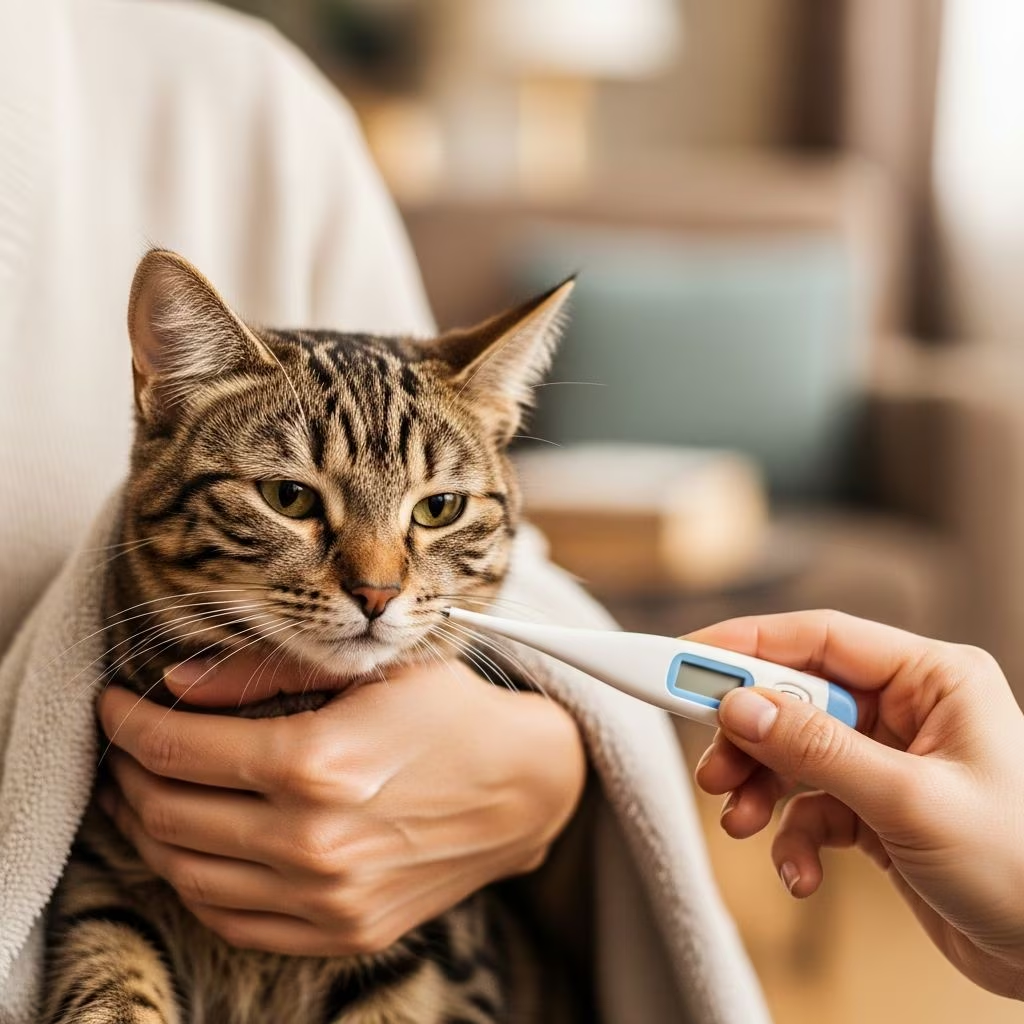
Monitoring your pet’s body temperature is a fundamental aspect of home health care that can reveal early signs of illness, infection, or distress. For dogs and cats, knowing how to perform this task safely empowers owners to make informed decisions about veterinary visits. Normal temperatures range from 99.5°F to 102.5°F (37.5°C to 39.2°C), with anything above 103°F (39.4°C) signaling potential fever and below 99°F (37.2°C) indicating hypothermia—both warranting professional evaluation.
Why Temperature Matters in Pet Wellness
Temperature fluctuations often precede visible symptoms like lethargy or vomiting. Regular checks during routine wellness or when pets show unusual behavior—such as shivering, panting excessively, or refusing food—can prevent complications. Veterinary experts emphasize that home monitoring bridges gaps between clinic visits, especially for chronic conditions or post-surgery recovery. However, accuracy depends on technique, tools, and pet cooperation; improper methods risk injury or false readings.
Selecting the Best Thermometer for Pets
Choose digital over glass mercury thermometers for speed and safety—digital models beep in 30-60 seconds and reduce breakage risks. Pet-specific ear thermometers offer non-invasive options but require practice for precision. For armpit readings, app-connected devices like smart axillary thermometers provide data logging for vet sharing. Always calibrate per instructions and dedicate a thermometer to pet use only, cleaning it with alcohol after each session.
Rectal Method: The Gold Standard for Accuracy
The rectal approach remains the most reliable, mimicking veterinary protocols with readings closest to core body temperature. It’s suitable for all sizes but demands gentle handling to avoid stress.
Preparation Essentials
- Gather supplies: digital thermometer, water-based lubricant (KY jelly or petroleum jelly), pet treats, and disinfectant wipes.
- Ensure a calm environment; enlist a helper for restraint.
- Shake or reset the thermometer and apply lubricant to the tip.
Step-by-Step Guide for Dogs
- Position the dog standing or lying on its side; have a helper secure the head and front body with a gentle hug.
- Lift the tail base gently to expose the anus.
- Insert the thermometer 1-2 inches for small breeds, up to 3 inches for large ones, angling slightly to contact the rectal wall without forcing.
- Hold steady until the beep (30-60 seconds); withdraw slowly.
- Reward with praise or treats immediately.
Adapting for Cats and Small Pets
Cats require lap positioning: cradle with one arm under the neck and the other around the abdomen to keep them upright. Insert only about 1 inch, as their canals are narrower. Rabbits or guinea pigs can be held on their back in a lap, with minimal insertion to prevent injury.
Safety Note: Stop if the pet shows aggression; muzzle if needed and consult a vet for demonstration.
Ear-Based Temperature Taking: A Less Invasive Alternative
Ear thermometers measure tympanic membrane heat, ideal for wiggly pets avoiding rectal probes. Accuracy hinges on correct canal alignment, making it less reliable for ear-sensitive animals or infections.
Equipment and Setup
- Use veterinary-grade infrared ear thermometers; check for calibration needs.
- No lubrication required.
Procedure Details
- Gently lift the ear flap (pinna) upward and outward to straighten the horizontal canal.
- Insert the probe deeply toward the opposite jaw side for a snug fit.
- Press start; hold still until it beeps (usually seconds).
- Avoid deep wax buildup or inflammation, which skews results.
Practice on yourself first to master positioning, and verify with rectal method initially.
Axillary (Armpit) Method: Gentle for Nervous Pets
This skin-fold technique suits fear-averse animals, though it’s 1-2°F lower than rectal readings—adjust accordingly. Smart versions sync to apps for tracking.
Simple Steps
- Position pet sitting or standing comfortably.
- Place probe high in the armpit, forward toward the chest.
- Press the leg down to cover the probe fully; wait for the reading (up to 1-2 minutes).
Best for baselines, not emergencies, due to variability from fur or movement.
Interpreting Results and Normal Ranges
| Method | Normal Range (°F) | Normal Range (°C) | Notes |
|---|---|---|---|
| Rectal | 99.5-102.5 | 37.5-39.2 | Most accurate |
| Ear | 100-103 | 37.8-39.4 | Practice-dependent |
| Axillary | 98-101 | 36.7-38.3 | Least invasive |
Retake after 10-15 minutes rest if abnormal. Hyperthermia (>104°F/40°C) risks organ damage; hypothermia (<99°F) needs warming. Track trends over time for patterns.
Common Challenges and Pro Tips
Pets may resist: use distractions like toys, offer high-value treats post-procedure, or schedule during calm times. For multi-pet homes, label thermometers. Avoid oral methods—risk of bites and inaccuracy from panting.
- Troubleshooting: If readings vary, check battery, cleanliness, or positioning.
- Seasonal factors: Heat exposure elevates temps; cold weather lowers them.
When to Contact a Veterinarian
Immediate vet care is crucial for persistent highs/lows, alongside symptoms like diarrhea, cough, or seizures. Share readings, method used, and time taken for precise diagnosis. Home checks complement, not replace, professional exams.
FAQ
Can I use a human thermometer for my pet?
Yes, digital rectal ones work fine; ensure they’re pet-dedicated for hygiene.
How often should I check my pet’s temperature?
Only when illness is suspected or for baselines monthly; overdoing stresses pets.
Is ear temperature reliable for cats?
Moderately, if positioned right; prefer rectal for precision.
What if my dog has diarrhea during insertion?
Wipe gently; stool can insulate but rarely affects digital reads much.
Are there wireless options?
Yes, app-paired axillary or ear models for easy vet sharing.
Enhancing Pet Health Through Vigilance
Incorporating temperature checks into your routine fosters proactive care. Combine with weight tracking, appetite logs, and behavior observation for holistic monitoring. Consult your vet for personalized advice, especially for puppies, seniors, or breeds prone to thermoregulation issues like brachycephalics.
References
- How to Safely Take a Dog or Cat’s Temperature at Home — Zoetis Petcare. 2023. https://www.zoetispetcare.com/blog/article/safely-take-dog-cat-temperature-home
- How to take your pets temperature — Flynn Veterinary Centres. 2022. https://flynnvets.com/how-to-take-your-pets-temperature/
- How to Take Your Dog’s Temperature — American Kennel Club (AKC). 2024. https://www.akc.org/expert-advice/health/how-to-take-your-dog-s-temperature/
- Taking Your Pet’s Temperature — Snodgrass Veterinary Medical Center. 2023. https://snodgrassvet.com/taking-your-pets-temperature/
- How to Take a Cat’s Temperature (Or a Dog’s!) — Hill’s Pet. 2024. https://www.hillspet.com/pet-care/healthcare/how-to-take-a-pets-temperature
- Taking Temperatures — Charlie the Vet. 2023. https://www.charliethevet.com/pages/taking-temperatures
- How to Take a Dog’s Temperature — PetMD. 2025. https://www.petmd.com/dog/general-health/how-to-take-dogs-temperature



