

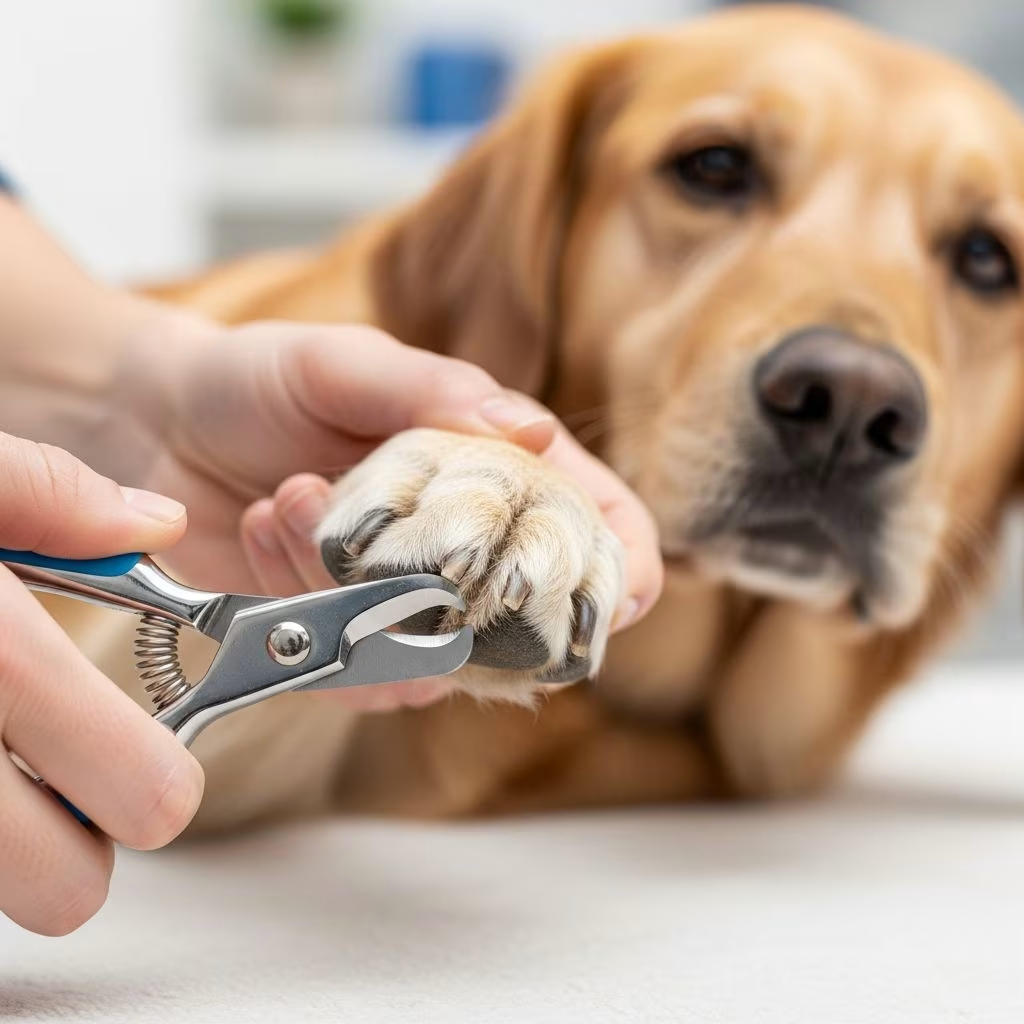
Regular nail maintenance is a cornerstone of responsible pet ownership, directly influencing your dog’s or cat’s comfort, mobility, and overall well-being. Overgrown nails can lead to pain, injury, and long-term skeletal issues, making consistent trims essential.
Why Nail Care Matters for Pet Health
Pet nails grow continuously, and without proper trimming, they curl under the paws, press into sensitive pads, and disrupt natural gait. This forces unnatural posture, stressing joints and leading to arthritis or limping over time. Short nails promote better weight distribution, enhance traction, and prevent slips on smooth floors.
- Improved posture and joint health by allowing natural foot alignment.
- Reduced injury risk from snags on carpets or furniture.
- Better hygiene, as trimmed nails accumulate less dirt and bacteria.
For active pets, proper nail length supports confident movement, while seniors benefit from alleviated discomfort. Neglect can escalate to infections or mobility loss, underscoring the need for routine care.
Understanding Nail Anatomy
Pet nails consist of a hard outer keratin shell encasing the ‘quick’—a vascular core with nerves and blood vessels. In light nails, the quick appears pink; in dark ones, it’s invisible, requiring caution. The tip beyond the quick is safe to trim, but overcutting causes bleeding, pain, and aversion to future sessions.
| Pet Type | Quick Visibility | Growth Rate | Trim Frequency |
|---|---|---|---|
| Dogs | Often visible in light nails | Faster in active breeds | Every 3-6 weeks |
| Cats | Retractable, less visible | Slower, front faster than rear | Every 2-4 weeks |
Knowing this anatomy prevents mishaps and builds confidence in grooming routines.
Health Risks of Overgrown Nails
Untrimmed nails pose immediate and chronic threats. They snag easily, causing splits that expose the quick to infection or require vet intervention. Curling nails pierce paw pads, fostering abscesses and lameness.
Posture shifts from long nails splay toes, unevenly loading elbows, hips, and spine—exacerbating breed predispositions like hip dysplasia. Dogs may lick paws excessively, signaling irritation, while cats withdraw from play due to discomfort.
- Painful fractures or tears from everyday activities.
- Increased slip risk and joint strain.
- Hygiene issues leading to bacterial buildup.
Early intervention averts these, preserving quality of life.
Safe Trimming Techniques for Dogs
Start young to acclimate puppies. Gather guillotine-style clippers, styptic powder, and treats. Calm your dog post-meal or walk, gently extending paws.
- Identify the quick: Trim small amounts at a 45-degree angle matching the paw’s slope.
- Cut 2mm increments, checking between snips.
- If bleeding occurs, apply styptic firmly for 1-2 minutes.
- End positively with praise and rewards.
For black nails, use a flashlight to spot the core or opt for filing. Sessions last 5-10 minutes to minimize stress.
Effective Nail Care for Cats
Cats’ retractable claws demand patience. Indoor cats need trims more often due to less natural wear. Use cat-specific clippers during relaxed moments, like naptime.
Pros of trimming include safer households and prevented ingrown claws; cons involve stress or impaired climbing if overdone. Alternatives like soft caps suit scratch-prone homes.
- Secure gently in lap, massaging paws to extend claws.
- Clip only translucent tips, avoiding pink quick.
- Trim 2-3 claws per session if resistant.
- Reward lavishly to foster tolerance.
Frequency: Front claws biweekly, rears monthly.
Filing vs. Clipping: A Comparison
Filing grinds nails gradually, reducing quick-hit risks and splintering. It’s quieter, less scary for anxious pets, and shapes edges smoothly.
| Method | Pros | Cons | Best For |
|---|---|---|---|
| Clipping | Quick, precise length reduction | Risk of overcut, noise stress | Cooperative pets, light nails |
| Filing | Safer, gradual, no bleeding | Time-intensive | Nervous pets, dark nails |
Filing supports long-term health by preventing posture issues and mobility decline.
Overcoming Common Challenges
Stress is prevalent; desensitize via touch rewards and gradual exposure. Wiggly pets need towel wraps or helpers. Dull tools snag—replace regularly.
Avoid: Cutting too short, infrequent trims, or force. Signs of trouble: Limping, pad chewing, aggression at touch.
Professional Grooming Options
If DIY fails, vets or groomers use grinders and sedation if needed. Benefits include quick detection of issues like infections. Costs vary but save home stress.
Frequency advice: Puppies monthly, adults quarterly, based on lifestyle.
Tools and Supplies Essentials
- Sharp clippers or electric grinder.
- Styptic powder or cornstarch for bleeds.
- High-value treats for positivity.
- Lights for dark nails.
Invest in quality for safety and ease.
FAQs
How often should I trim my pet’s nails?
Dogs: Every 4-6 weeks; cats: 2-4 weeks. Check when nails tap floors.
What if I cut the quick?
Stay calm, apply styptic, and monitor for infection. Short sessions rebuild trust.
Can overgrown nails cause arthritis?
Yes, by altering gait and stressing joints long-term.
Is filing better than clipping?
Often, for safety and reduced anxiety, especially in fearful pets.
Should outdoor cats have nails trimmed?
Limit to tips for defense retention; full trims suit indoors.
Long-Term Wellness Strategies
Integrate trims into routines like baths. Walks on rough terrain aid wear. Monitor for breed-specific needs—brachycephalics grow faster.
Holistic care combines diet for strong nails and exercise for natural filing. Consult vets for abnormalities like brittleness signaling nutrition gaps.
References
- Health Benefits of Filing vs. Clipping — D.O.G Nail Care Professionals. 2023. https://www.dognailcareprofessionals.com/post/health-benefits-of-filing-vs-clipping
- Should I Clip My Cat’s Claws? Find out The Pros and Cons — Amin Pet Shop. 2024. https://aminpetshop.com/blogs/news/should-i-clip-my-cats-claws-find-out-the-pros-and-cons
- What Happens If You Skip Regular Nail Trimming for Your Pet? — Petevolution. 2023. https://www.petevolution.com/blog/what-happens-if-you-skip-regular-nail-trimming-for-your-pet/
- Cypress Area Grooming Experts Share Surprising Health Benefits of Trimming Pets Nails — My Neighborhood News. 2024. https://myneighborhoodnews.com/cypress-area-grooming-experts-share-surprising-health-benefits-of-trimming-pets-nails
- Trimming Your Cat’s Nails: The Pros and Cons — Vetic. 2023. https://vetic.in/blog/cats/trimming-your-cats-nails-the-pros-and-cons/



