

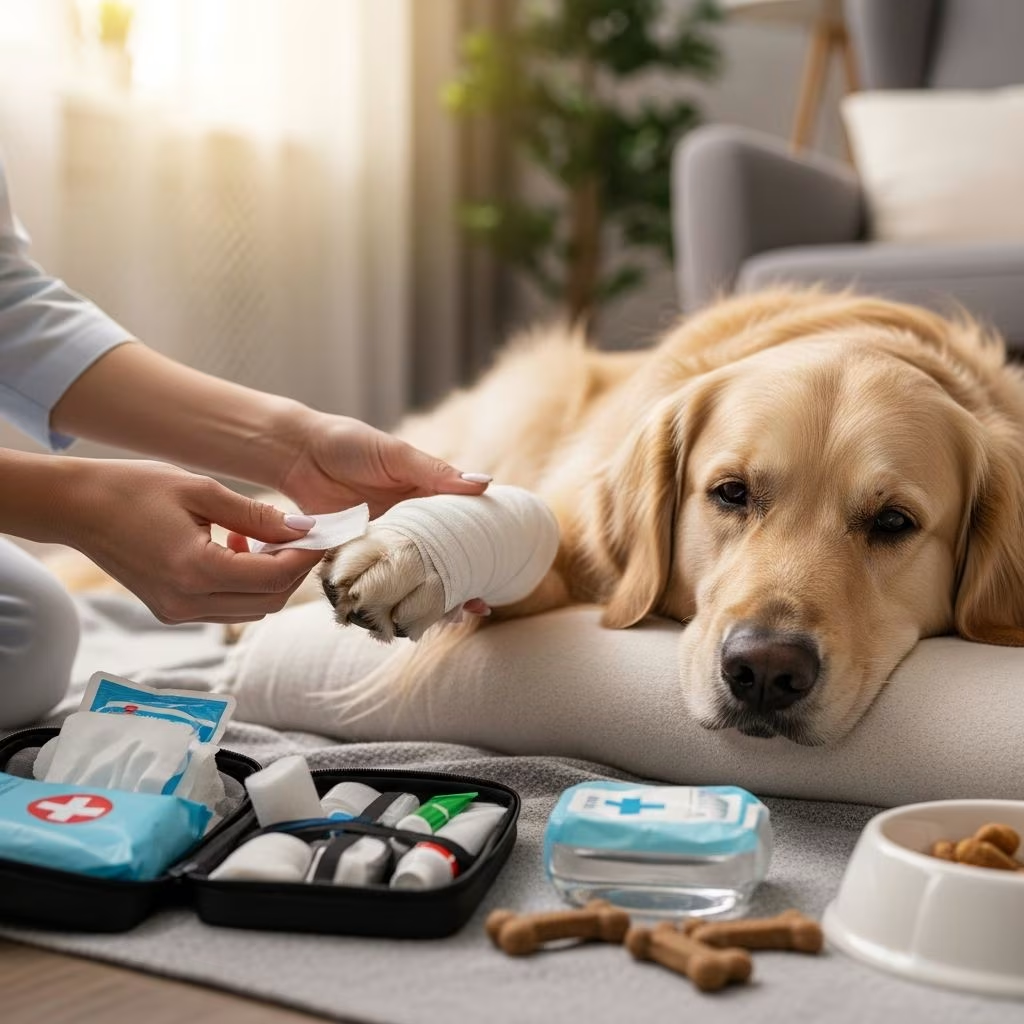
Providing dedicated nursing care at home can dramatically improve your pet’s recovery outcomes after surgery, injury, or illness. Pet owners often step into critical caregiving roles, handling everything from daily medications to emotional reassurance. This guide equips you with proven methods to deliver professional-level support, drawing on veterinary best practices to keep your companion comfortable, safe, and on the path to full wellness.
Creating a Safe Recovery Environment
The foundation of effective pet nursing begins with a controlled, low-stress space that minimizes risks and promotes rest. For dogs and cats recuperating from procedures like neutering or fracture repairs, a dedicated area prevents overexertion and reinjury.
- Select an appropriate confinement space: Use a crate, playpen, or small room like a laundry area. Ensure it accommodates essentials without allowing jumping or running.
- Dogs need: Space for a water dish, comfortable bedding, and turning room. Barriers should be secure against escape attempts.
- Cats require: A litter box, food/water stations, bed, and stretching area. High-sided enclosures deter climbing.
- Temperature control: Maintain 68-77°F (20-25°C) to prevent chilling, especially post-anesthesia.
Introduce familiar items like blankets or toys to reduce anxiety. For energetic pets, consult your vet about short-term sedatives to enforce rest.
Essential Wound and Bandage Management
Post-surgical sites or injuries demand vigilant oversight to avert infections or dehiscence. Cleanliness and gentle handling are paramount.
| Task | Dogs | Cats |
|---|---|---|
| Cleaning Frequency | Daily with saline; vet-approved antiseptic | Every 12-24 hours; avoid over-wetting fur |
| Bandage Checks | Inspect for swelling, odor, discharge | Monitor for chewing; use cone if needed |
| Signs of Trouble | Redness, heat, pus, lethargy | Hiding, reduced appetite, foul smell |
Change dressings as instructed, using sterile gloves. Never apply human ointments without vet approval. E-collars or onesies protect sites from licking.
Monitoring Vital Signs and Behavior
Regular checks catch complications early. Track breathing, appetite, and mobility daily.
- Respiration: Normal dog: 10-30 breaths/min; cat: 20-30. Count chest rises for 15 seconds, multiply by 4. Labored or rapid rates warrant immediate vet contact.
- Temperature: Rectal: dogs 100-102.5°F, cats 100.5-102.5°F. Use pet thermometer; fever over 103°F signals infection.
- Hydration: Pinch skin on neck; should snap back instantly. Sunken eyes or tacky gums indicate dehydration.
- Behavior cues: Lethargy, vomiting, diarrhea, or pain vocalizations (whining, growling) require prompt reporting.
Log observations in a notebook or app for vet consultations. Daily weigh-ins detect hidden issues like fluid loss.
Administering Medications Accurately
Complex regimens post-illness demand precision to avoid under- or overdosing.
- Chart creation: List drug name, dose, frequency, duration. Note administration times and responses.
- Techniques: Hide pills in treats for dogs; use pill poppers for cats. Liquids via syringe in cheek pouch.
- Compliance tips: Set phone alarms; involve family with shared logs. Review with vet at follow-ups.
Store meds away from food; discard expired ones. Watch for side effects like diarrhea or allergies.
Nutrition and Hydration Strategies
Sick pets often lose appetite, risking weakness. Tailor feeding to encourage intake.
- Small, frequent meals: Offer bland diets (boiled chicken/rice for dogs; strained turkey for cats) warmed to enhance aroma.
- Hydration boosts: Add low-sodium broth to water; use pet fountains for cats.
- Appetite stimulants: Vet-prescribed mirtazapine for cats; hand-feeding builds trust.
- Special needs: Soft food for dental issues; high-calorie gels for weight loss.
Tube feeding is a last resort; seek vet guidance if intake drops below 50% normal.
Emotional Support and Stress Reduction
Fear exacerbates recovery; create security to lower stress hormones.
- Scent familiarity: Provide owner’s worn clothing for comfort.
- Quiet interactions: Speak softly, avoid direct stares with cats. Short, positive visits build rapport.
- Enrichment: Puzzle feeders, window views, or soft music reduce boredom.
- Species specifics: Cats thrive in covered kennels; dogs appreciate leashed potty walks.
Recognize stress signals: dilated pupils, flattened ears, tail lashing. Feline-friendly approaches prioritize feeling secure.
Preventive Measures and Long-Term Care
Beyond acute recovery, integrate habits for sustained health.
- Grooming: Brush to monitor skin; trim nails to prevent scratches.
- Exercise ramp-up: Gradual leash walks post-confinement.
- Vet follow-ups: Schedule as directed; report deviations promptly.
Annual wellness exams catch issues early. Vaccinations and parasite control underpin resilience.
Common Challenges and Solutions
Anticipate hurdles for smoother caregiving.
| Challenge | Solution |
|---|---|
| Pet resists meds | Pill pockets, tuna wrapping, vet demos |
| Escape attempts | Reinforced pens, sedation consult |
| Appetite refusal | Varied textures, warming, vet appetite aids |
| Family non-compliance | Shared digital logs, education sessions |
Patience and consistency yield results. Document everything for vet reviews.
Frequently Asked Questions
How long should I confine my pet after surgery?
Typically 7-14 days for spays/neuters; fractures longer. Follow vet specifics.
What if my pet’s incision looks infected?
Contact vet if red, swollen, draining, or feverish. Don’t delay.
Can I bathe my recovering pet?
Avoid until vet clears; spot-clean with damp cloths meanwhile.
How do I handle a stressed cat at home?
Dim lights, hiding spots, pheromone diffusers, minimal handling.
Is chemical restraint safe for activity restriction?
Yes, when vet-prescribed short-term for high-energy cases.
Partnering with Your Veterinarian
Clear discharge talks ensure understanding. Request written instructions, demos, and contact protocols. Daily logs facilitate rechecks. Professional oversight remains key; home nursing complements, not replaces, it.
By mastering these skills, you transform into your pet’s greatest advocate, fostering faster, happier recoveries.
References
- How to be Your Pet’s Best Nurse — Animal Medical Center. 2019-12-11. https://www.amcny.org/blog/2019/12/11/how-to-be-your-pets-best-nurse/
- AAFP and ISFM Feline-Friendly Nursing Care Guidelines — Journal of Feline Medicine and Surgery. 2012. https://journals.sagepub.com/doi/10.1177/1098612X12445002
- The art of nursing: 10 steps for better patient care — dvm360. N/A. https://www.dvm360.com/view/art-nursing-10-steps-better-patient-care
- Can We Talk? Ensuring Owner Compliance — Today’s Veterinary Nurse. N/A. https://todaysveterinarynurse.com/practice-management/can-we-talk-ensuring-owner-compliance/
- Veterinary Care – Guide for the Care and Use of Laboratory Animals — National Center for Biotechnology Information. 2011-01-01. https://www.ncbi.nlm.nih.gov/books/NBK54052/
- Code of Professional Conduct for Veterinary Nurses — Royal College of Veterinary Surgeons. N/A. https://www.rcvs.org.uk/setting-standards/advice-and-guidance/code-of-professional-conduct-for-veterinary-nurses/



