

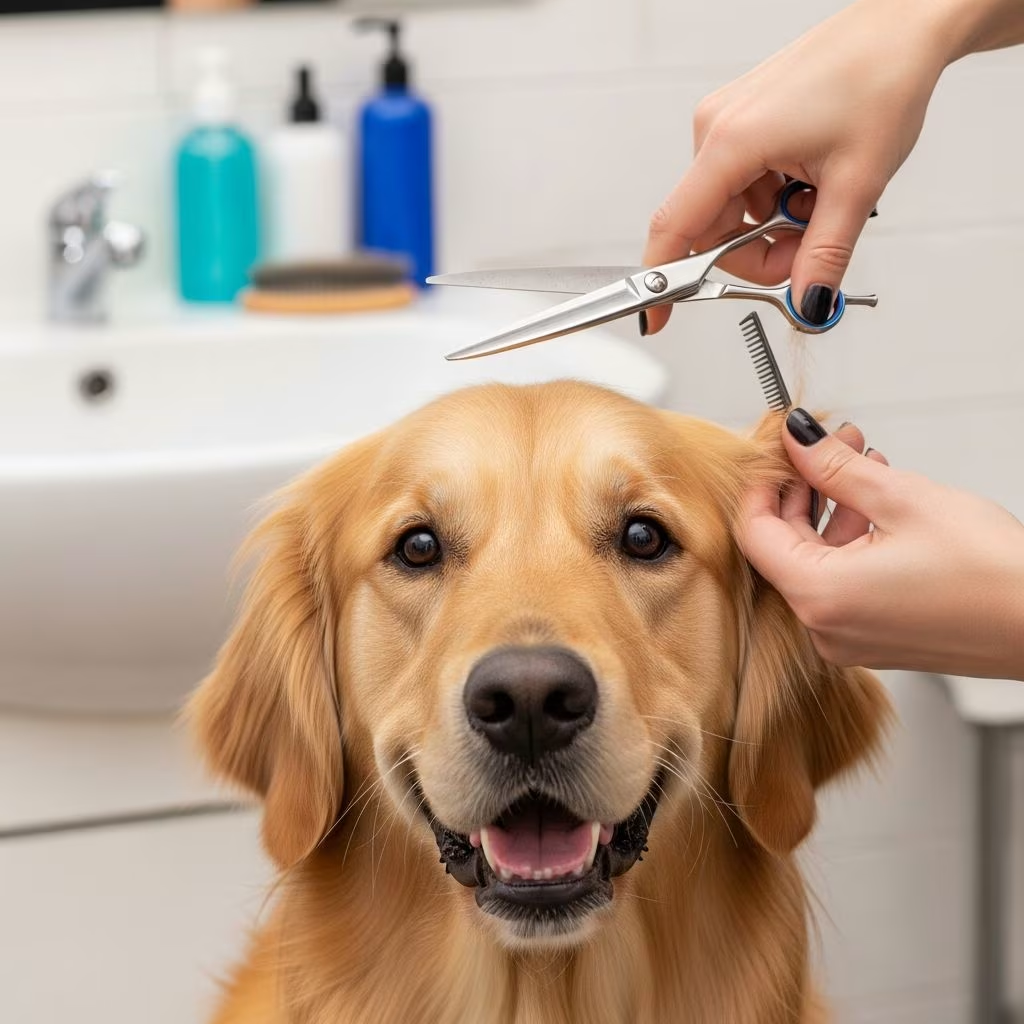
Regular grooming maintains your pet’s hygiene, detects health issues early, and strengthens your bond. This guide provides step-by-step methods tailored for dogs and cats using safe, effective practices.
Why Grooming Matters for Pet Health
Grooming goes beyond aesthetics; it promotes skin health by distributing natural oils, reduces shedding, and prevents infections. For dogs, consistent care minimizes matting that can lead to skin irritations, while cats benefit from reduced hairballs through regular brushing. Early detection of lumps, fleas, or wounds during sessions can prompt timely veterinary visits.
- Improves coat shine and texture.
- Lowers allergy risks from dander.
- Enhances circulation via massage-like brushing.
Essential Tools for Every Pet Owner
Invest in quality, pet-specific equipment to avoid injury. Start with basics suited to your pet’s coat type.
| Tool | Purpose | Best For |
|---|---|---|
| Slicker brush | Removes mats and loose fur | Long or curly coats |
| Pin brush | Detangles without pulling | Medium to long hair |
| Nail clippers/grinder | Trims overgrown nails | All pets |
| Dog/cat shampoo | Cleans without drying skin | Sensitive skin breeds |
| Ear solution & cotton | Prevents infections | Floppy-eared dogs |
According to ASPCA guidelines, brushes should match coat length to effectively spread oils and remove debris.
Understanding Coat Types and Frequencies
Different coats demand varied approaches. Short-haired dogs like Boxers need weekly sessions, while long-coated breeds such as Collies require daily attention to prevent tangles.
- Short/Smooth Coats: Weekly rubber brush followed by bristle.
- Long/Silky Coats: Daily slicker and combing.
- Wire/Curly Coats: Frequent brushing plus professional stripping for texture.
- Double Coats: Undercoat rakes seasonally to avoid shedding overload.
Cats with dense fur, like Persians, benefit from similar tools but gentler handling to avoid stress.
Step-by-Step Brushing Routine
Brushing is the foundation of grooming. Begin in a calm environment with treats to build positive associations.
- Section the coat, starting from the back and moving forward.
- Use short strokes against the grain for undercoat removal.
- Follow with a bristle brush to polish and distribute oils.
- Comb through for missed tangles, working from ends upward.
For dogs, this removes dirt and checks for parasites; for cats, it reduces ingested fur that causes vomiting.
Bathing Best Practices
Bathe every 4-6 weeks or as needed, avoiding over-washing that strips protective oils. Use lukewarm water and pet-formulated products.
- Pre-brush to loosen debris.
- Wet thoroughly, avoiding head initially.
- Lather from neck down, massaging gently.
- Rinse until clear to prevent residue irritation.
- Towel dry, then low-heat blow dry if tolerated.
Breeds with wrinkles, like Pugs, need fold cleaning post-bath to avert bacterial buildup.
Safe Nail Trimming Techniques
Overgrown nails cause pain and gait issues. Trim monthly, cutting small amounts at a 45-degree angle.
- Identify the quick (pink area in light nails).
- Clip or grind 2mm at a time.
- Apply styptic powder if bleeding occurs.
- Dark nails: Grind gradually or seek professional help.
Regular trims prevent skeletal strain in active pets.
Ear Cleaning and Inspection
Floppy ears trap moisture, fostering yeast or bacteria. Clean bi-weekly with vet-approved solution.
- Fill ear canal halfway with cleaner.
- Massage base for 30 seconds.
- Let shake, then wipe with gauze—no deep probing.
- Check for redness, odor, or discharge signaling infection.
Oral Hygiene Fundamentals
Dental disease affects 80% of dogs by age three. Brush 2-3 times weekly with enzymatic toothpaste.
- Use finger brush or pet toothbrush.
- Focus on outer molars with circular motions.
- Offer dental chews as supplements.
- Inspect for tartar, bad breath, or loose teeth.
Advanced Trimming for Style and Comfort
For long-haired pets, trim paws, sanitary areas, and face. Use rounded scissors for safety.
- Sanitary trim: Around genitals for cleanliness.
- Paw pads: Clear fur between toes.
- Face: Neaten around eyes and muzzle.
Leave complex cuts to pros to avoid accidents.
Home vs. Professional Grooming
Home grooming suits routine maintenance; professionals handle breed-specific styles or heavy matting. Combine both: Monthly pro visits with weekly home care.
| Aspect | Home Grooming | Professional |
|---|---|---|
| Cost | Low (tools ~$50) | $50-100/session |
| Frequency | Weekly | 4-8 weeks |
| Skills Needed | Basic | Advanced styling |
Common Mistakes to Avoid
Steer clear of human products, forceful handling, or skipping steps. Over-bathing dries skin; under-brushing causes mats.
- Never use human shampoo—pH mismatch irritates.
- Avoid hot water or high-heat dryers.
- Don’t rush nail cuts—patience prevents injury.
Grooming Cats: Special Considerations
Cats self-groom but need help with heavy shedding. Use soft brushes; reward heavily to reduce claw risks.
- Short sessions (5-10 mins).
- Flea combs for fine debris.
- Waterless shampoos for bathing-averse cats.
Seasonal Grooming Adjustments
Summer: Shorter trims for cooling. Winter: Retain coat insulation. Shedding seasons demand undercoat focus.
Building Positive Grooming Habits
Start young; pair with play. Desensitize to tools gradually for stress-free experiences.
Frequently Asked Questions
How often should I groom my pet?
Depends on breed: Short coats weekly, long daily. Bathing every 4-6 weeks.
Can I groom my pet myself?
Yes, with proper tools and techniques. Start simple; escalate to pros for complexity.
What if my pet hates grooming?
Use treats, short sessions, and calm demeanor. Consult trainers for anxious pets.
Is grooming expensive?
Home setup under $100; saves pro fees long-term.
When to see a vet during grooming?
For skin issues, persistent odors, or nail bleeding.
References
- Dog Grooming 101: Essential Steps and Tools — Revelation Pets. 2023. https://www.revelationpets.com/blog/dog-grooming-101-essential-steps-and-tools
- The Ultimate Guide to Dog Hair Grooming — The Dog House Pet Salon. 2024. https://www.thedoghouseps.com/dog-hair-grooming/
- Complete Guide to Dog Grooming: Tips for Perfect Pet Care — Spotted Dog NJ. 2023. https://spotteddognj.com/complete-guide-to-dog-grooming-tips-for-perfect-pet-care/
- How to Groom Your Dog: Essential Tips for Pet Owners — Ellison Drive Vet. 2024. https://ellisondrivevet.com/blogs/how-to-groom-your-dog-essential-tips-for-pet-owners
- Dog Grooming Tips — ASPCA. 2025-01-15. https://www.aspca.org/pet-care/dog-care/dog-grooming-tips
- A Comprehensive Guide to Grooming Your Pet at Home vs Professional Grooming — South Miami Vets and Pets. 2023. https://southmiamivetsandpets.com/blog/1356965-a-comprehensive-guide-to-grooming-your-pet-at-home-vs-professional-grooming



