Pet Behavior Correction: 13 Strategies For Lasting Results
Discover proven strategies to transform unwanted pet habits into positive behaviors for a harmonious home life.
Mastering Pet Behavior Correction
Correcting unwanted behaviors in pets requires patience, understanding, and evidence-based strategies. Rather than relying on punishment, focus on building positive associations and addressing root causes like anxiety or boredom. This approach fosters trust and leads to sustainable changes in dogs, cats, and other companions.
Decoding Pet Communication Signals
Effective behavior correction begins with interpreting your pet’s non-verbal cues. Pets express emotions through body posture, facial expressions, and movements, which signal their needs or discomfort. For dogs, a stiff tail wag might indicate tension rather than joy, while flattened ears in cats often denote fear. Recognizing these signs allows proactive intervention, preventing escalation of issues like aggression or destructiveness.
Observe patterns in your pet’s demeanor during daily interactions. Track ear positions, eye contact, and tail movements in a journal to identify triggers. This foundational step enhances your ability to respond appropriately, strengthening the human-animal bond and setting the stage for successful training.
Harnessing Positive Reinforcement Power
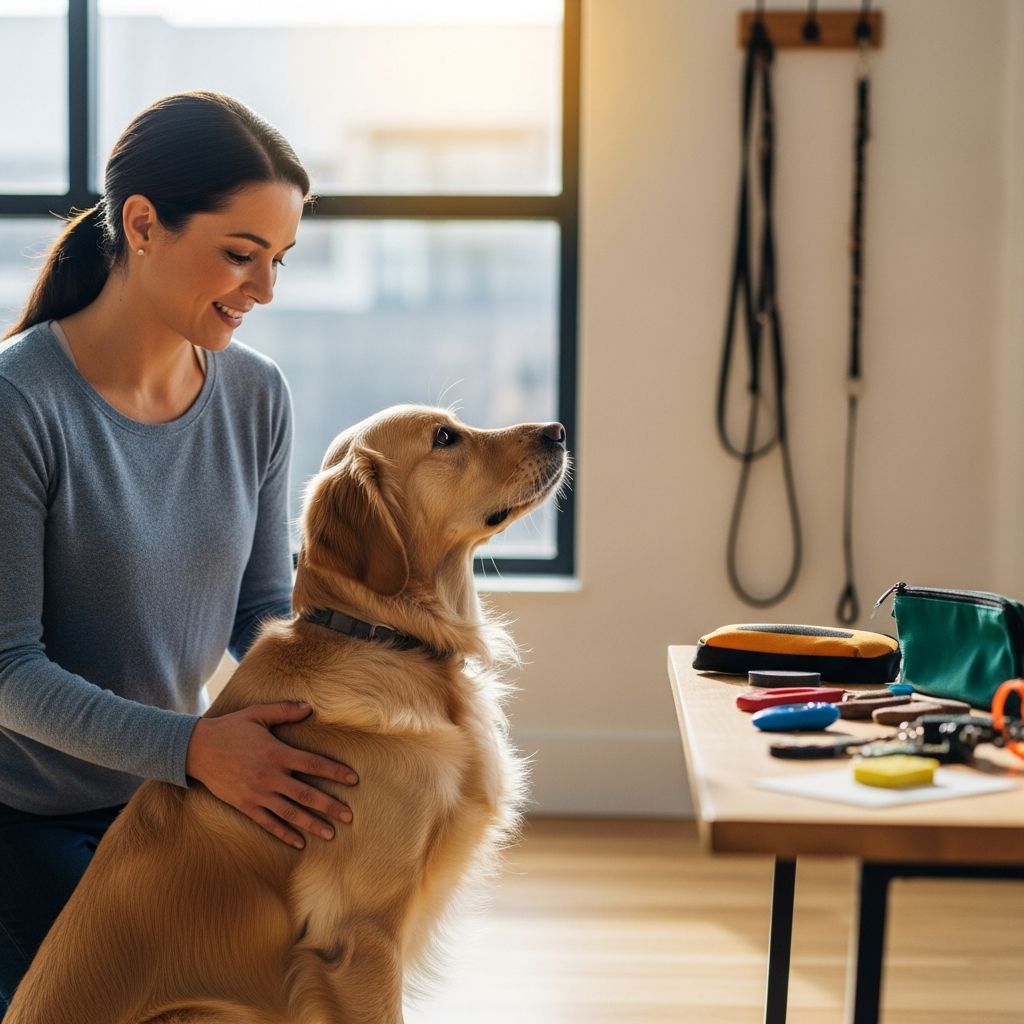
Positive reinforcement rewards desired actions immediately with treats, praise, or play, encouraging repetition. This method outperforms punishment by associating good behavior with pleasant outcomes, accelerating learning. For instance, when a dog sits on command, offer a small treat right away to link the action with reward.
- Choose high-value rewards tailored to your pet’s preferences, such as toys for playful dogs or affection for social cats.
- Time rewards precisely within seconds to ensure clear connections.
- Gradually fade treats, replacing them with verbal praise to avoid dependency.
Balance rewards to prevent overfeeding; combine them with non-food incentives like extra playtime. Veterinary behaviorists emphasize this technique for its role in creating confident, eager learners without fear.
Establishing Consistent Routines
Consistency in commands, rules, and responses is crucial for behavior modification. Pets thrive on predictability, which reduces confusion and anxiety. Use the same word for each command, like “sit” every time, and enforce boundaries uniformly across household members.
Inconsistent signals confuse pets, prolonging bad habits. Family training sessions ensure everyone follows the protocol, accelerating progress. Track adherence with a shared calendar to maintain uniformity.
Defining Achievable Training Objectives
Break complex behavior changes into manageable milestones to avoid frustration. If curbing excessive barking, start with rewarding silence during low-distraction periods, then progress to doorbells. This incremental method builds success momentum.
| Behavior Goal | Step 1 | Step 2 | Step 3 |
|---|---|---|---|
| Reduce Leash Pulling | Reward loose leash in quiet yard | Introduce mild distractions | Practice on walks |
| Stop Jumping on Guests | Sit for attention at home | Practice with family | Generalize to visitors |
| Eliminate Chewing | Provide chew toys | Redirect during incidents | Increase supervision |
Reassess goals weekly, adjusting based on progress for sustained motivation.
Implementing Gentle Redirection Methods
Gentle corrections guide pets away from unwanted actions without intimidation. Instead of yelling, use a calm “no” followed by prompting an alternative like sitting. This preserves trust while teaching boundaries.
Avoid aversive tools like shock collars, as they increase stress and can worsen behaviors. Focus on non-forceful techniques endorsed by animal health authorities for ethical, effective results.
Boosting Mental Engagement Activities
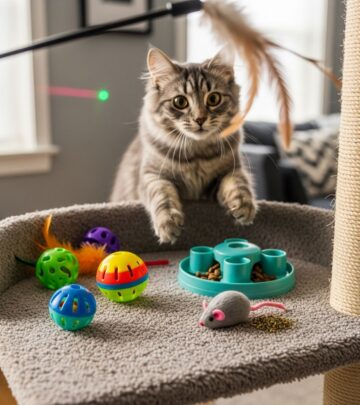
Boredom fuels destructive behaviors; counter it with brain games and puzzles. Scatter treats in sniff mats or use treat-dispensing toys to challenge problem-solving skills. These activities mimic natural foraging, reducing mischief.
- For dogs: Puzzle feeders and scent games.
- For cats: Laser pointers and feather wands.
- Daily sessions of 10-15 minutes suffice for most pets.
Mental workouts tire pets as effectively as physical exercise, curbing issues like furniture scratching.
Prioritizing Physical Exercise Regimens
Regular activity burns energy and alleviates stress, minimizing behavioral outbursts. Tailor routines to breed and age: high-energy dogs need 60-minute walks, while seniors benefit from gentle strolls.
Incorporate fetch, agility drills, or swim sessions. Exhausted pets are calmer, making training sessions more productive.
Enhancing Socialization Experiences
Early and ongoing socialization exposes pets to diverse stimuli, building confidence. The “Rule of 7s” introduces puppies to seven new surfaces, sounds, people, and animals weekly, creating positive associations.
For adults, controlled playdates and gradual public outings desensitize fears. Monitor interactions to ensure safety, rewarding calm responses.
Applying Desensitization Techniques
Desensitization gradually exposes pets to triggers at low intensity in safe settings. For noise-phobic dogs, play faint thunderstorm recordings while rewarding relaxation, slowly increasing volume.
Conduct sessions in distraction-free zones, progressing only when calm is maintained. Patience prevents overwhelm, fostering tolerance.
Utilizing Counterconditioning Strategies
Counterconditioning pairs triggers with positives, flipping negative emotions. During doorbell rings, feed high-value treats to associate arrivals with goodies. Combine with desensitization for potent results.
Veterinary manuals highlight this for reactivity and anxiety, teaching pets to relax amid former stressors.
Building a Behavior Toolbox
Compile compatible behaviors like eye contact or chin rests to redirect attention. Teach “check-ins” where pets look to you for cues, interrupting unwanted actions seamlessly.
Practice in low-stakes scenarios, then deploy during triggers. This substitution promotes focus and calm.
Teaching Relaxation Protocols
Train pets to settle on cue using mats or beds paired with rewards. Before trigger exposure, practice “relax” to build emotional control.
Use soothing music or massages to enhance sessions, creating a default calm state.
Tracking and Celebrating Advances
Log behaviors daily to measure improvement, noting triggers and successes. Celebrate milestones with extra play or photos to reinforce positivity.
Small wins compound, motivating persistence. Adjust plans based on data for optimal outcomes.
Frequently Asked Questions
How long does behavior modification take?
Typically 4-12 weeks, depending on consistency and issue severity. Patience yields results.
Is professional help necessary?
For aggression or deep anxiety, consult certified trainers or veterinarians.
Can these methods work for cats?
Yes, adapt rewards and exercises; cats respond well to clicker training.
What if progress stalls?
Reevaluate goals, rule out medical issues, and vary techniques.
Are treats always required?
No, phase them out; praise and play suffice long-term.
References
- Behavior Modification in Dogs – Dog Owners — MSD Veterinary Manual. 2023. https://www.msdvetmanual.com/dog-owners/behavior-of-dogs/behavior-modification-in-dogs
- Changing Behaviors — American Animal Hospital Association (AAHA). 2015-06-01. https://www.aaha.org/resources/2015-aaha-canine-and-feline-behavior-management-guidelines/changing-behaviors/
- Introduction to Desensitization and Counterconditioning — VCA Animal Hospitals. 2023. https://vcahospitals.com/know-your-pet/introduction-to-desensitization-and-counterconditioning
- Behavioral Modification for Dogs with Anxiety — American Heartland Animal Hospital. 2023. https://aha.vet/behavioral-modification-for-dogs-with-anxiety/
- Behavior Modification for Dogs — CattleDog Publishing. 2023. https://cattledogpublishing.com/blog/behavior-modification-for-dogs/
Similar Articles







Read full bio of medha deb