
Mastering the Paw Shake Trick
Unlock the joy of teaching your dog to shake paws with proven, step-by-step methods that build confidence and strengthen your bond.
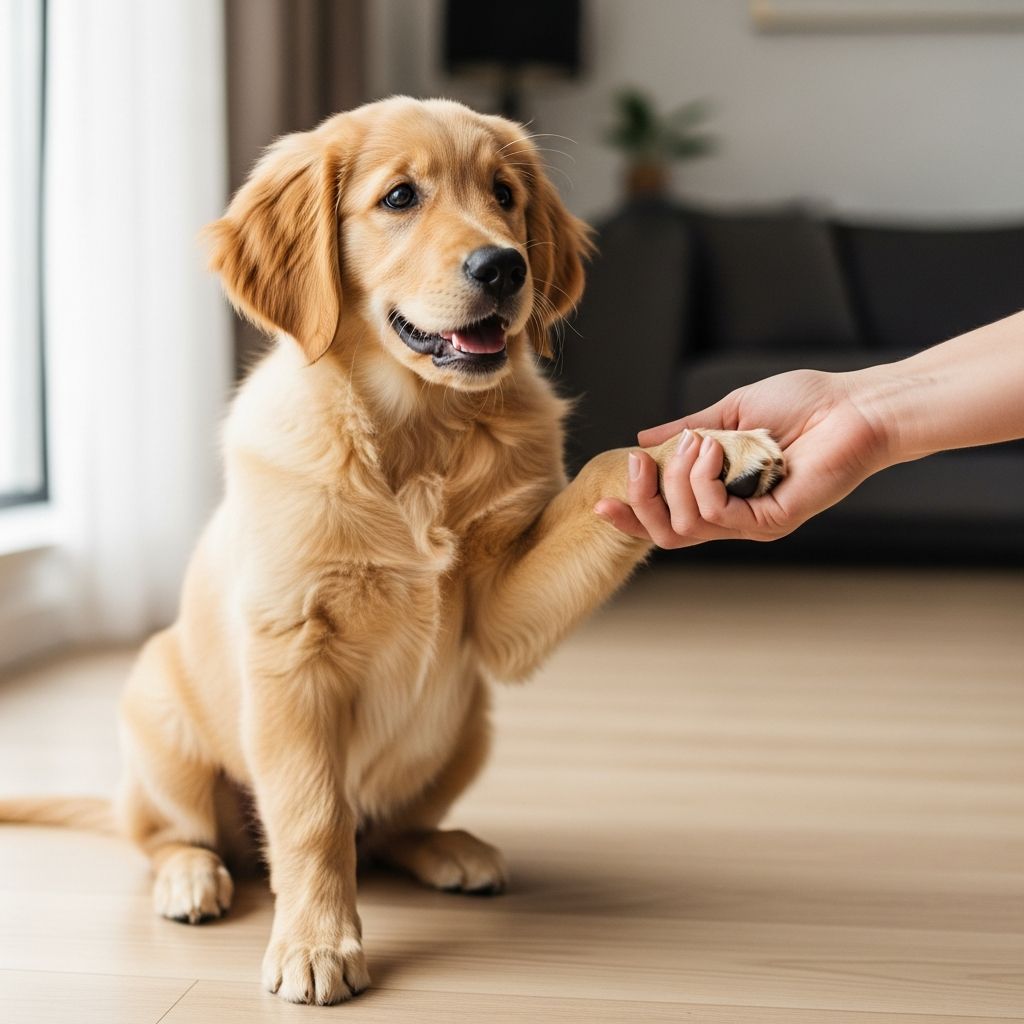
Teaching your dog to shake paws is one of the most rewarding tricks that enhances communication and trust between you and your canine companion. This simple yet engaging behavior not only impresses friends and family but also serves as a foundation for more complex commands. By using positive reinforcement techniques, you can help your dog learn quickly while keeping sessions fun and stress-free.
Why Teach Your Dog to Shake Paws?
The paw shake, often called ‘shake’ or ‘paw,’ goes beyond mere entertainment. It promotes mental stimulation, which is essential for preventing boredom-related behaviors like excessive barking or chewing. Regular training sessions improve focus and obedience, making everyday interactions smoother. According to the American Kennel Club, tricks like shaking paws build a stronger human-dog bond through consistent positive experiences.
Additionally, this trick can signal the start or end of training sessions, helping your dog transition between activities. It’s adaptable for dogs of all ages, sizes, and breeds, from energetic puppies to senior pets seeking low-impact exercise.
Essential Tools and Preparation
Before diving into training, gather a few key items to set yourself up for success:
- High-value treats: Small, soft pieces your dog loves, like bits of chicken or cheese, to maintain motivation.
- Clicker (optional): This tool marks the exact moment of correct behavior, speeding up learning. Pair it with treats by clicking and immediately rewarding unrelated good behaviors first.
- Quiet space: Choose a distraction-free area to help your dog concentrate.
- Short sessions: Limit to 5-10 minutes, 2-3 times daily, to avoid fatigue.
Ensure your dog knows basic commands like ‘sit’ beforehand, as it provides a stable starting position. If not, spend a day reinforcing sit: hold a treat above their nose, say ‘sit’ as their rear lowers, and reward promptly.
Building the Foundation: Step-by-Step Training
Start with patience and consistency. The goal is for your dog to lift their paw voluntarily upon your cue.
- Cue the Sit Position: Command ‘sit’ and reward to keep your dog steady.
- Present the Lure: Hold a treat in your closed fist at chest level. Let your dog sniff and paw at it naturally. When their paw touches your hand, say ‘yes’ (or click) and reward from your fist.
- Repeat for Association: Continue until your dog consistently paws your fist without hesitation. Gradually require longer contact before rewarding.
- Introduce the Verbal Cue: Say ‘shake’ just before they lift the paw. Mark with ‘yes’ or click, then treat. Practice 10-15 reps per session.
- Fade the Lure: Switch treats to your other hand. Offer the empty fist, say ‘shake,’ and reward from the opposite side when the paw lifts.
Progress slowly; if your dog struggles, return to the previous step. Most dogs grasp the basics in 3-5 sessions.
Overcoming Common Hurdles
Training isn’t always smooth. Here’s how to address frequent issues:
| Challenge | Solution |
|---|---|
| Dog ignores cue | Increase treat value or add play, like a quick tug toy reward. |
| Paw too low | Hold your hand higher or tap gently under the paw to encourage lift. |
| Only one paw used | Position yourself to target the desired paw; reward specifically and practice switching sides. |
| Backing away | Desensitize by touching legs gradually, rewarding calm behavior before tapping. |
For shy dogs, build comfort by petting and treating progressively from shoulders to paws.
Advancing to Multi-Paw Mastery
Once front paws are reliable, teach all four using numbers: ‘one’ for right front, ‘two’ left front, ‘three’ right rear, ‘four’ left rear. This system allows precise control.
Rear Paws Technique:
- Have your dog stand facing you.
- Tap lightly on the lower leg (metatarsals) upward and toward yourself.
- Mark and treat any lift, even slight.
- Add the number cue before tapping, then fade taps.
Rear paws often take longer—up to weeks of daily practice. If resistance occurs, acclimate by touching thighs first, advancing inch by inch with rewards.
Elevate the Trick: High-Five and Beyond
Transform shake into a high-five by rotating your palm upward. Say ‘high-five,’ present the hand, and reward paw contact. Gradually raise criteria for higher, firmer slaps.
Chain tricks for sequences: sit-shake-high-five-stand. This boosts cognitive skills and impresses onlookers. Explore variations like ‘wave’ by adding a circular hand motion.
Training Tips for Different Dogs
Puppies
Short, playful sessions suit their attention spans. Use toys if treats overwhelm.
Seniors or Arthritic Dogs
Opt for gentle taps and lower hand positions to minimize joint strain.
High-Energy Breeds
Incorporate movement, like shaking before a fetch throw, to channel energy.
Rescue Dogs
Go extra slow with trust-building; pair with calming massages.
Consistency across family members prevents confusion—use the same cue and method.
Proven Benefits Backed by Experts
Positive reinforcement, as used here, aligns with guidelines from the American Veterinary Society of Animal Behavior, emphasizing rewards over punishment for optimal learning and welfare.
Frequently Asked Questions (FAQs)
How long does it take to teach shake?
Typically 1-2 weeks with daily practice, varying by dog.
Can any dog learn this trick?
Yes, with adaptations for physical limitations.
What if my dog uses teeth instead of paw?
Withdraw hand calmly, ignore, and retry with higher rewards for paw only.
Should I use a clicker?
It’s highly effective for precision but optional; verbal markers work too.
How do I proof the behavior in public?
Practice in gradually distracting environments, rewarding heavily at first.
Maintaining the Skill Long-Term
Practice weekly to prevent fading. Randomly reward un-cued shakes to keep it fresh. Integrate into routines, like shaking before meals, for reliability.
This trick symbolizes partnership—celebrate milestones with jackpots (multiple treats) to reinforce joy in learning.
References
- Teach Your Dog to Shake Paws — AKC Pet Insurance. 2023. https://www.akcpetinsurance.com/blog/dog-trick-fun-teach-your-dog-to-shake
- How to Teach Your Dog to Shake: A Step-by-Step Guide — Halo Collar. 2023. https://www.halocollar.com/blog/dog-training/how-to-teach-your-dog-to-shake-a-step-by-step-guide/
Similar Articles








Read full bio of medha deb


