

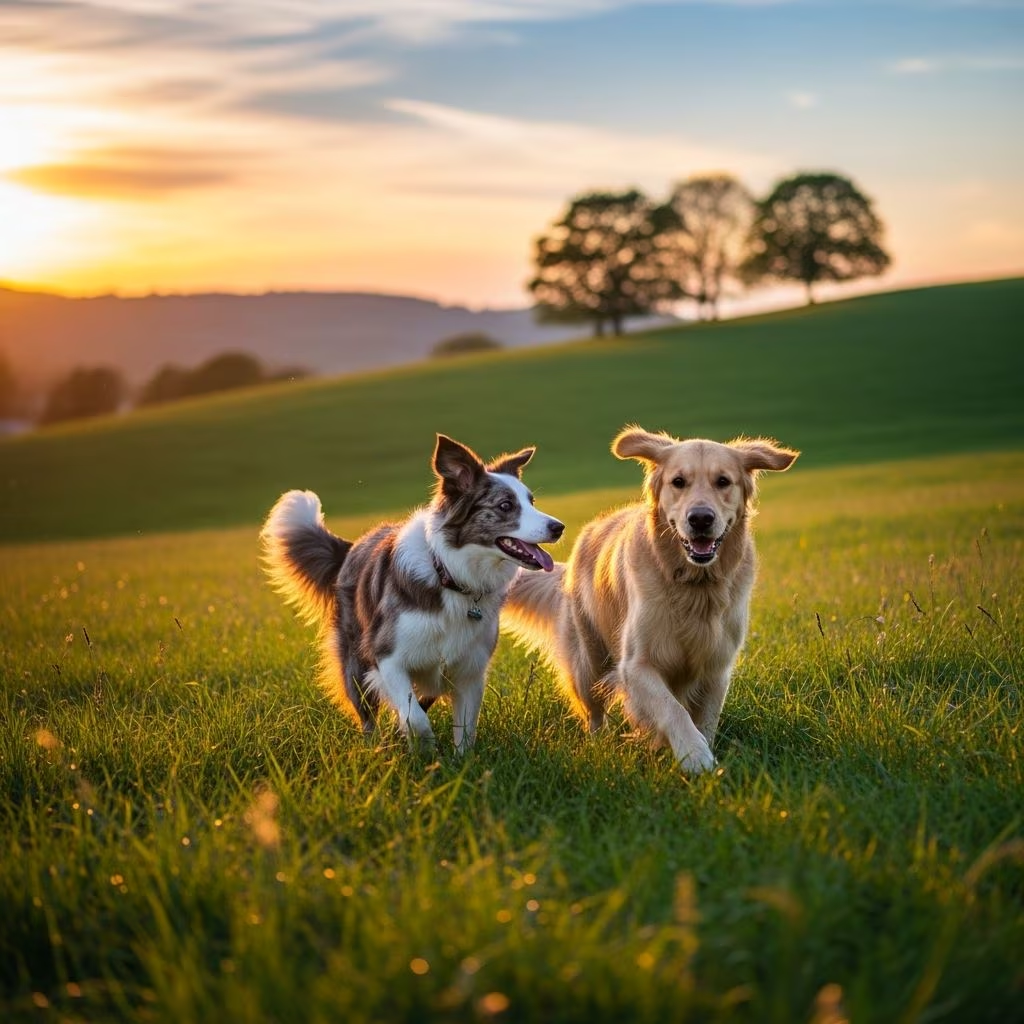
Off-leash training empowers dogs and their owners to enjoy greater freedom and stronger bonds while prioritizing safety. This guide outlines a structured approach using positive reinforcement, gradual progression, and controlled settings to develop reliable behaviors.
Essential Prerequisites for Success
Before attempting off-leash activities, ensure your dog masters core obedience skills. These form the foundation for safe independence.
- Sit and Stay: Commands that halt movement and maintain position amid mild distractions.
- Down: Encourages calm submission and focus on the handler.
- Leave It and Drop It: Prevents ingestion of hazards like toxic substances or foreign objects.
- Basic Recall: Responding to ‘come’ in low-distraction indoor settings.
Practice these daily in 10-minute sessions with high-value rewards like meat treats or favorite toys to build enthusiasm.
Building a Strong Recall Foundation
Reliable recall is the cornerstone of off-leash reliability. Begin indoors without a leash, using an excited tone: ‘Come!’ Reward immediately upon arrival with praise and treats. Gradually extend distance and introduce mild distractions like toys.
Progression Table:
| Stage | Location | Distractions | Leash Length |
|---|---|---|---|
| 1 | Indoors | None | None |
| 2 | Quiet yard | Toys | 10 ft |
| 3 | Fenced park | People/mild smells | 20-30 ft |
| 4 | Open field | Other dogs | Off-leash (supervised) |
Consistency across family members prevents confusion. Use hand signals alongside verbal cues for reliability in noisy environments.
Radius Awareness: Teaching Self-Check-Ins
Train dogs to voluntarily monitor your position, fostering proactive closeness without constant commands. In a distraction-free room, wander casually. Mark (with ‘Yes!’) and reward any glance or approach toward you. Release with ‘OK’ to resume exploration.
Advance to a fenced area on a 10-15 ft long line held loosely. Follow your dog’s lead while rewarding self-initiated check-ins. Abruptly change direction; reward notice and return. Progress to dragging the line, then removal in secure spaces.
High-value rewards at your feet reinforce that proximity yields the best payoffs, creating a habit of staying within a safe radius.
Long Line Drills for Controlled Freedom
A 20-50 ft long line (or retractable leash on a harness) simulates off-leash while maintaining safety. Allow exploration with slack; call for recalls intermittently, rewarding promptly.
Incorporate directional changes: Pick a distant point, walk purposefully, then pivot unexpectedly. Reward your dog for noticing and reorienting. This builds attentiveness without tension.
- Start low-distraction: Backyard sniffing sessions.
- Add variables: Toss toys, simulate squirrels.
- Fade rewards: Intermittent reinforcement for endurance.
Boundary Respect and Impulse Control
Define limits using visual markers like cones for roads or stranger approaches. Pair with ‘Wait’ or ‘Stay,’ rewarding compliance. Practice ‘Leave It’ around tempting scents or movement.
Physical readiness matters: Trim nails and groom to avoid discomfort distracting from training. Reliable boundaries prevent chases into danger.
Gradual Introduction to Distractions
Test readiness in enclosed dog parks. Unclip after successes on long line; issue commands confidently, rewarding obedience lavishly. Invite controlled distractions like friends before public trials.
Monitor for readiness signs: Consistent check-ins, ignores mild temptations, returns on first call. If failures occur, revert to long line without punishment—patience accelerates progress.
Safety Protocols and Risk Mitigation
Off-leash demands vigilance. Key risks include traffic, aggressive dogs, toxins. Mitigate with:
- Emergency ‘Stop’ cue practiced amid chaos.
- High-motivation rewards outvaluing distractions.
- Local law awareness—many areas mandate leashes.
Breed considerations: Herding breeds excel quicker; hounds may need extended sessions. Puppies under 6 months lack impulse control; prioritize basics first.
Common Pitfalls and Fixes
| Pitfall | Symptom | Solution |
|---|---|---|
| Chasing distractions | Ignores recall | Lower distraction level; higher rewards |
| Pulling on long line | Leash tension | Follow loosely; reward slack |
| Inconsistent response | Selective obedience | Unified family training; daily refreshers |
| Fearful avoidance | Hides from handler | Build confidence with play rewards |
Advanced Techniques for Real-World Reliability
Once basics solidify, layer complexities: Practice amid joggers, cyclists. Use whistles for distance penetration. Emergency U-turns (call while running opposite) spike adrenaline for instant returns.
Intermittent schedules mimic real life—reward unpredictably to sustain motivation without dependency.
Legal and Ethical Responsibilities
Respect leash laws; off-leash zones vary. Obtain liability insurance for public risks. Socialize responsibly—prevent unleashed harassment of others.
FAQs
What age is best for off-leash training?
Adolescents (6+ months) with solid basics; maturity varies by breed.
Can any dog learn off-leash reliability?
Yes, with patience; high-drive breeds need more management.
What if my dog fails recall once off-leash?
Revert to long line; analyze distraction, rebuild gradually.
Are retractable leashes safe for training?
Yes on harnesses for controlled extension, but inspect regularly.
How long until off-leash readiness?
Weeks to months; consistency determines speed.
Maintenance for Lifelong Success
Weekly proofing sessions prevent regression. Vary locations, distractions. Celebrate milestones with fun off-leash play to sustain joy.
This methodical path yields dogs that thrive off-leash, enhancing adventures safely.
References
- Off-Leash Training for Dogs — VCA Animal Hospitals. Accessed 2026. https://vcahospitals.com/know-your-pet/off-leash-training-for-dogs
- The Complete Guide To Off Leash Dog Training — Tractive. Accessed 2026. https://tractive.com/blog/en/training-en/the-complete-guide-to-off-leash-dog-training
- Master Off-Leash Dog Training | Paw Oasis Pet Resort & Spa — Paw Oasis Pet Resort. Accessed 2026. https://pawoasispetresort.com/mastering-off-leash-dog-training-a-beginners-guide/
- The Five Senses of Off-Leash Dog Training — Thriving Canine. Accessed 2026. https://www.thrivingcanine.com/blog/five-senses-leash-dog-training/
- Teach your dog to walk on a loose leash — Animal Humane Society. Accessed 2026. https://www.animalhumanesociety.org/resource/teach-your-dog-walk-loose-leash



