

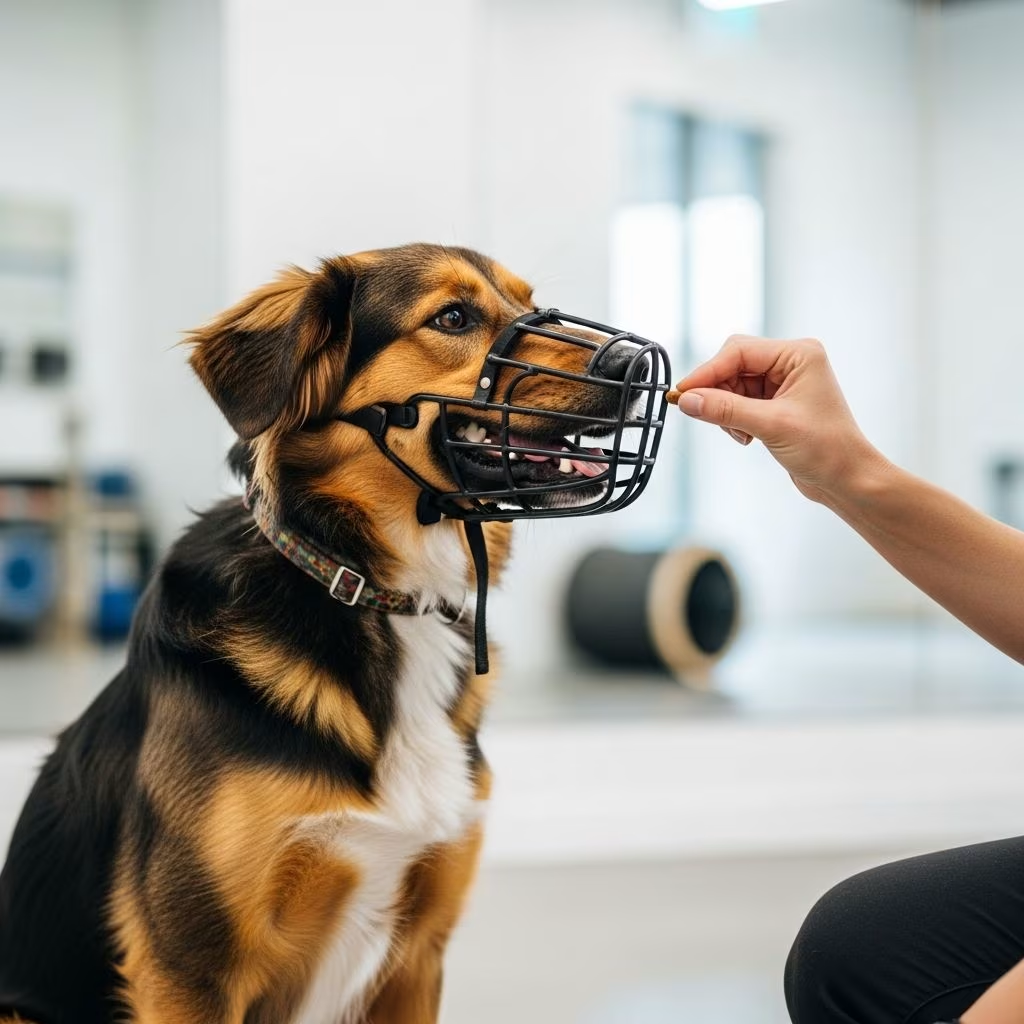
Teaching a dog to wear a muzzle comfortably is an essential skill for many pet owners. Muzzles serve practical purposes beyond managing aggression, such as protecting during veterinary procedures, preventing ingestion of harmful objects, or ensuring safety in crowded environments. Positive reinforcement methods make this process enjoyable, turning potential stress into a rewarding routine. This guide outlines a complete approach, drawing from established veterinary and training practices to help dogs associate muzzles with positivity.
Why Train Your Dog to Use a Muzzle?
Muzzles are versatile tools in canine care. They allow dogs to pant, drink, and take treats while restricting biting, making them suitable for short-term needs like nail trims or injury recovery. Unlike fabric muzzles, basket styles promote better airflow and interaction, fostering quicker acceptance. Training proactively prevents panic during emergencies, enhances safety for handlers, and complies with some public transport or boarding requirements. Early familiarity reduces resistance, benefiting both dog and owner long-term.
- Safety in medical settings: Facilitates safe handling during exams or treatments.
- Grooming and handling: Enables trims, baths, or ear cleanings without risk.
- Travel and public spaces: Meets regulations while allowing comfort.
- Behavioral management: Useful for resource guarding or minor reactivity without punishment.
Selecting the Perfect Muzzle
Choose a muzzle based on your dog’s size, breed, and intended use. Basket muzzles, made of plastic or rubber, are ideal for most training as they permit breathing, drinking, and treat delivery. Measure from nose tip to eye level and around the snout for a snug fit—two fingers should fit under straps, with room for tongue extension.
| Muzzle Type | Best For | Pros | Cons |
|---|---|---|---|
| Basket (Plastic/Rubber) | Vet visits, grooming | Allows panting, treats, water | Bulkier for long wear |
| Soft Nylon | Short-term transport | Lightweight, adjustable | Limits panting, no treats |
| Metal Wire | Heavy-duty protection | Durable, secure | Less comfortable for training |
Test fit by ensuring your dog can open its mouth partially and hold a treat. Avoid ill-fitting options that cause rubbing or slippage.
Preparation Before Training Begins
Set the stage for success by gathering high-value rewards like peanut butter, squeeze cheese, hot dogs, or small meat pieces—items your dog rarely gets. Train in a quiet, familiar space during low-stress times, keeping sessions to 5-15 minutes. Use a marker like a clicker or “yes” to pinpoint desired actions precisely. If your dog has bite history or sensitivities, consult a certified trainer.
Leave the muzzle visible around the house for days, pairing sightings with meals or toys to build neutral associations before hands-on work.
Step-by-Step Muzzle Training Guide
Divide training into phases: introduction, nose targeting, fastening, and duration building. Progress at your dog’s pace, repeating steps until enthusiasm shows.
Phase 1: Introduction and Familiarity
Present the muzzle casually from 2-3 feet away. Mark and treat for glances or approaches. Gradually close distance over sessions, rewarding sniffing or touching the exterior. Sessions end on a high note with play or praise.
- Hold muzzle openly, straps tucked; show and treat for eye contact.
- Move closer; reward nose touches.
- Smear lickable treats on the rim; let dog explore voluntarily.
Phase 2: Nose Insertion
Transition to voluntary nose entry. Place a visible treat inside, cupped in your hand through the basket. Mark when the nose enters, delivering the reward. Increase entry depth slowly, fading hand support.
- Use soft foods like cheese for lingering licks.
- Practice at varying heights and angles for reliability.
- Add a cue like “muzzle” once consistent.
Aim for 10-20 successes per step before advancing.
Phase 3: Fastening the Strap
Desensitize to the buckle sound first: fasten nearby, mark from afar, then treat through the muzzle. Combine with nose entry, clipping loosely while rewarding. Remove promptly after eating.
- Mark for sound tolerance alone.
- Clip with nose in; treat multiple times before removal.
- Adjust fit snugly but comfortably.
Phase 4: Building Duration and Real-Life Use
Start at 30 seconds, randomly rewarding while worn. Extend to 2, 5, 10 minutes over days. Incorporate walks, water breaks, and play. Practice in new locations.
Variable rewards prevent anticipation; sometimes unclip without fastening. End sessions by removing only after a cue, stopping treats off-muzzle.
Fun Games to Enhance Training
Incorporate play to accelerate learning. The “Cup Game” starts with a large container: mark nose proximity, progressing to the actual muzzle.
- Treat Puzzle: Hide kibble inside for self-discovery.
- Lick Challenge: Coat interior with peanut butter; time improvements.
- Target Relay: Use nose-target cue to guide entry from afar.
Common Challenges and Solutions
Resistance often stems from rushing or poor treats. If pawing occurs, lower criteria to viewing only. For head-shy dogs, work sounds from distance.
| Issue | Solution |
|---|---|
| Backing away | Slow intro; higher-value rewards |
| Pawing at strap | Looser fit initially; more in-muzzle treats |
| Fear of sound | Isolate fastening; distant practice |
| No interest | Pair with meals; fun games |
Regression? Revisit prior phases without pressure. Consistency across family members aids progress.
Safety Tips and Best Practices
Never force a muzzle; it erodes trust. Monitor for overheating—basket styles mitigate this. Ensure water access and avoid prolonged wear over 1 hour without breaks. For brachycephalic breeds, prioritize ventilated options.
Post-training, maintain skills with monthly refreshers. If aggression underlies need, pair with behaviorist consult.
Benefits Beyond Training
A muzzle-trained dog gains confidence in handling, reducing vet stress for all. Owners report smoother appointments and safer outings. Positive methods align with welfare standards, promoting ethical pet care.
Frequently Asked Questions (FAQs)
Is muzzle training suitable for puppies?
Yes, start around 8-12 weeks for lifelong ease, using tiny treats.
How long until full acceptance?
1-4 weeks with daily 10-minute sessions, varying by dog.
Can all dogs wear muzzles?
Most, but consult vets for respiratory issues; alternatives exist.
What if my dog hates treats?
Use toys or play; build appetite pre-session.
Are muzzles cruel?
No, when fitted properly and trained positively—they enhance safety and freedom.
References
- Muzzles—Not Just for Aggression! | Karen Pryor Clicker Training — Karen Pryor Clicker Training. Accessed 2026. https://clickertraining.com/muzzles/
- Muzzle Training: How To Get Your Dog To Love The … – YouTube — YouTube. Accessed 2026. https://www.youtube.com/watch?v=DqM2_vLcQ2Y
- Muzzle Training for Dogs | VCA Animal Hospitals — VCA Animal Hospitals. Accessed 2026. https://vcahospitals.com/know-your-pet/muzzle-training-for-dogs
- Basket muzzle training | Cornell University College of Veterinary Medicine — Cornell University Riney Canine Health Center (.edu). Accessed 2026. https://www.vet.cornell.edu/departments-centers-and-institutes/riney-canine-health-center/canine-health-topics/basket-muzzle-training
- How to Train your Dog to Love Wearing a Muzzle — Pilot Knob Animal Hospital. Accessed 2026. https://pilotknobah.com/resources-2/muzzletraining/
- Making Muzzle Training Fun – Leash and Learn — Leash and Learn NYC. Accessed 2026. https://leashandlearnnyc.com/making-muzzle-training-fun/
- Muzzle Training | Muzzle Up! Project — Muzzle Up! Project. Accessed 2026. https://muzzleupproject.com/muzzle-training/



