

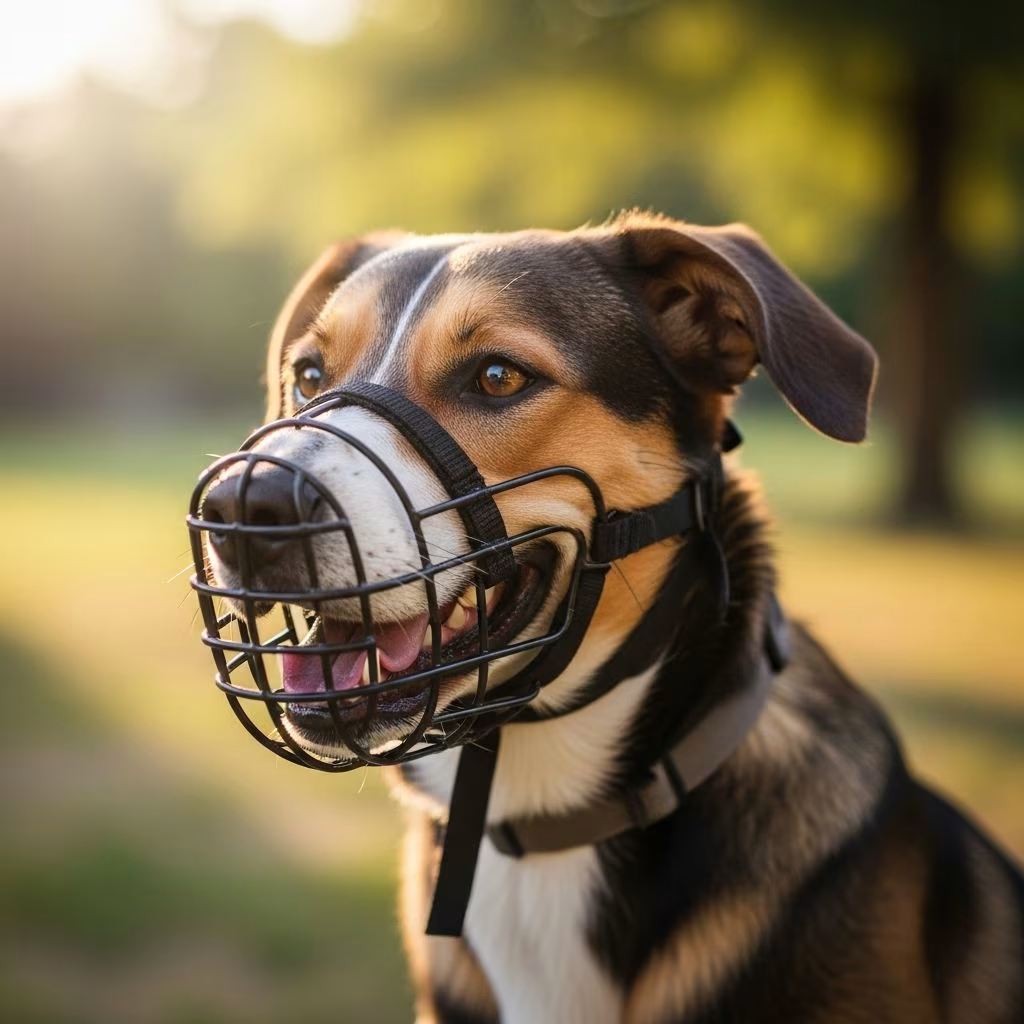
Teaching your dog to wear a muzzle comfortably transforms a potentially stressful experience into a positive one. This skill is vital for safety in situations like veterinary care, grooming sessions, or managing reactivity around other animals and people. Using positive reinforcement techniques, dogs can learn to associate the muzzle with rewards, building confidence and reducing anxiety.
Why Every Dog Owner Should Consider Muzzle Training
Muzzles serve practical purposes beyond restraint. They protect handlers, veterinarians, and others from bites during painful procedures or when a dog feels overwhelmed. Contrary to common misconceptions, properly fitted basket muzzles allow dogs to pant, drink, and even take treats, making them suitable for extended wear if trained correctly.
- Safety first: Prevents accidental injuries during nail trims, injections, or wound care.
- Reactive dog management: Enables safe outings in public spaces.
- Legal compliance: Required in some areas for certain breeds or behaviors.
- Proactive welfare: Builds resilience for stressful events like travel or boarding.
Organizations like the American Kennel Club emphasize that muzzles are tools for responsible ownership, not punishment. Early training prevents future issues, especially for puppies or rescue dogs with unknown histories.
Selecting the Perfect Muzzle for Your Dog
Choosing the right muzzle is foundational. Basket-style muzzles are ideal for most training because they permit breathing, drinking, and treat delivery. Avoid cloth muzzles for prolonged use, as they restrict panting.
| Muzzle Type | Best For | Pros | Cons |
|---|---|---|---|
| Basket (Plastic/Wire/Rubber) | Vet visits, training | Allows panting, treats; durable | Bulkier; needs sizing |
| Soft Basket | Grooming, short-term | Lightweight, comfortable | Less durable |
| Cloth/Nylon | Very short restraint | Compact | No panting; overheating risk |
Measure your dog’s snout length and circumference for a snug but non-pinching fit. Test by ensuring they can hold a treat or toy inside. High-quality options from brands like Baskerville or custom-fitted ones ensure long-term success.
Foundational Principles of Positive Muzzle Training
Success hinges on counter-conditioning: pairing the muzzle with high-value rewards to shift emotions from fear to eagerness. Sessions should last 1-5 minutes, occurring 3-5 times weekly. Progress only when your dog shows enthusiasm, like eagerly inserting their nose.
- High-value treats: Use peanut butter, cheese, or meat bits—irresistible motivators.
- Calm environment: Start in low-distraction areas.
- Professional help: For fearful or aggressive dogs, consult certified trainers or veterinary behaviorists.
Patience prevents setbacks; rushing causes aversion.
Step-by-Step Muzzle Training Protocol
Break training into progressive stages, repeating each until mastery (e.g., 80-100% success rate).
Stage 1: Introduction and Sniffing
Hold the muzzle casually, palm up, and let your dog investigate. Reward any interest with treats dropped nearby. Goal: Neutral or positive association.
- Present muzzle 2-3 feet away; treat for glances.
- Move closer; treat for sniffing.
- Touch nose lightly; immediate treat.
Repeat 5-10 times per session until the muzzle excites them.
Stage 2: Nose Targeting
Encourage voluntary nose insertion. Place a treat visible through the basket or smear lickable food inside.
- Cup muzzle; show treat through holes.
- Treat when nose touches edge.
- Feed through muzzle only after full insertion.
- Vary angles: up, down, side-to-side for reliability.
Incorporate games: Hold treats under the muzzle, exciting your dog to “chase” it briefly.
Stage 3: Securing the Strap
Once nose entry is enthusiastic, add the strap loosely.
- Dog inserts nose; loosely buckle while praising.
- Feed treats through muzzle immediately.
- Unbuckle after 2-5 seconds; repeat.
- Gradually tighten for secure fit.
Monitor for stress signals like lip-licking or avoidance.
Stage 4: Duration and Movement
Build wear time incrementally: 5 seconds, 15, 30, up to minutes.
- Feed meals through muzzle.
- Practice walking: Step back as dog follows.
- Add distractions: Toys, mild noises.
A comfortable dog can wear it for an hour with water breaks.
Stage 5: Real-World Integration
Generalize to new contexts: Vet office simulations, car rides, parks.
- Short outings with rewards.
- Pair with leashes for full gear practice.
Innovative Training Games to Boost Engagement
Games accelerate learning by tapping into play instincts.
The Cup Transition Game
Start with a large cup: Reward nose pokes, then swap for muzzle seamlessly.
Chase the Muzzle
Hand under muzzle with treats; jog away slightly, rewarding pursuit and entry.
Treat Treasure Hunt
Hide treats inside; let dog “hunt” by inserting nose.
These keep sessions fun, preventing boredom.
Troubleshooting Common Challenges
Plateaus happen; address systematically.
| Issue | Solution |
|---|---|
| Refusal to insert nose | Revert to sniffing; use higher-value treats. |
| Struggles with strap | Practice unbuckled first; desensitize head touch. |
| Anxiety in public | Gradual exposure; counter-condition triggers. |
| Pawing it off | Increase rewards; shorten sessions. |
If progress stalls after weeks, seek a force-free professional.
FAQs: Muzzle Training Essentials
Can all dogs learn to wear a muzzle?
Yes, with patience and proper methods, even fearful dogs succeed.
How long until fully trained?
1-4 weeks for most, depending on dog’s temperament and consistency.
Is it okay for puppies?
Start young for proactive socialization, using appropriately sized gear.
What if my dog has bitten before?
Consult a veterinary behaviorist immediately for safety.
Can muzzled dogs drink water?
Basket muzzles allow it; always provide access.
Advanced Tips for Lifelong Muzzle Comfort
Maintenance matters: Clean regularly, check fit as dog grows. Rotate rewards to maintain motivation. Track progress in a journal for planning.
Incorporate into daily routines: Mealtimes, play. For multi-dog homes, train separately to avoid competition.
Community resources like Muzzle Up! Project offer free plans and support networks.
References
- Basket Muzzle Training — Cornell University College of Veterinary Medicine Riney Canine Health Center. 2023. https://www.vet.cornell.edu/departments-centers-and-institutes/riney-canine-health-center/canine-health-topics/basket-muzzle-training
- Muzzle Training for Dogs — VCA Animal Hospitals. 2024. https://vcahospitals.com/know-your-pet/muzzle-training-for-dogs
- Dog Muzzles: When, Why, and How to Correctly Use Them — American Kennel Club. 2023-10-15. https://www.akc.org/expert-advice/training/dog-muzzles-when-why-how-to-use/
- Muzzle Training your Dog — Pilot Knob Animal Hospital. 2022. https://pilotknobah.com/resources-2/muzzletraining/
- Making Muzzle Training Fun — Leash and Learn NYC. 2019. https://leashandlearnnyc.com/making-muzzle-training-fun/
- Muzzle Training — Muzzle Up! Project. 2023. https://muzzleupproject.com/muzzle-training/



