

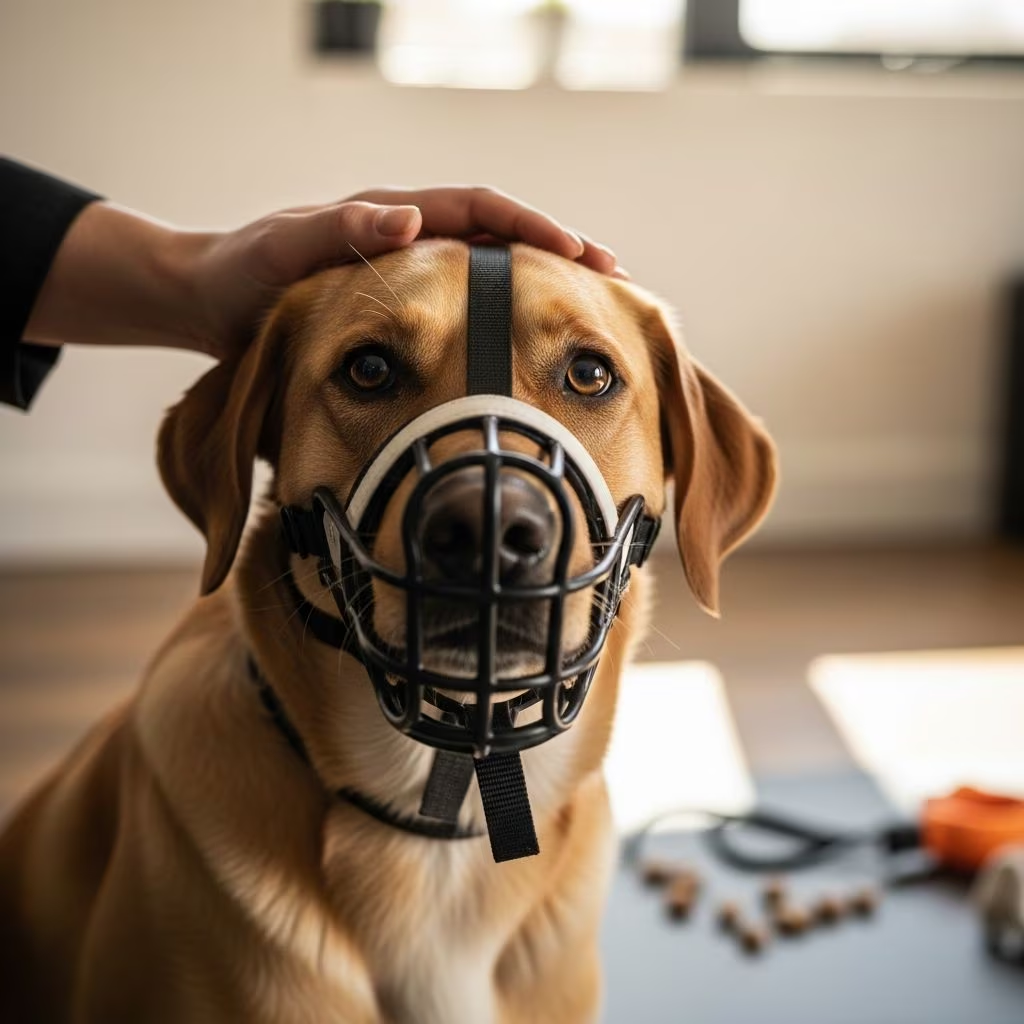
Training a dog to accept a muzzle is a valuable skill that promotes safety for everyone involved, whether for veterinary procedures, grooming sessions, or crowded public spaces. Using positive reinforcement methods ensures the process builds trust rather than fear, leading to a stress-free experience for both dog and owner.
Understanding the Role of Muzzles in Canine Care
Muzzles serve critical functions beyond restraint. They protect handlers from unexpected bites during stressful events like nail trims or injury treatment. Contrary to common misconceptions, properly fitted basket-style muzzles allow dogs to pant, drink water, and even take treats, making them suitable for extended wear.
Scenarios where muzzles prove essential include emergency vet visits, where a dog’s pain might trigger defensive reactions, or transportation in vehicles to prevent interference with safe driving. Resource guarding around food or toys can also necessitate muzzle use during training. By normalizing the muzzle proactively, owners prevent escalation of anxiety-related behaviors.
Selecting the Perfect Muzzle for Your Dog
Choosing the right muzzle starts with measuring your dog’s snout length and circumference. Basket muzzles, made from plastic, rubber, or wire, offer the best balance of security and comfort, permitting breathing and hydration. Soft cloth muzzles are unsuitable for prolonged use as they restrict panting.
| Muzzle Type | Best For | Pros | Cons |
|---|---|---|---|
| Basket (Plastic/Wire) | Vet visits, grooming | Allows panting, treats, water | May need sizing adjustments |
| Basket (Rubber) | Active dogs, training | Durable, lightweight | Less ventilation in heat |
| Soft Nylon | Short-term restraint | Quick to apply | Restricts breathing |
Opt for adjustable straps with safety buckles that release under extreme pressure. Test fit by ensuring two fingers slide under the neck strap and the muzzle doesn’t slip over the nose when pulled upward.
Foundational Principles of Positive Muzzle Training
Positive reinforcement forms the cornerstone of effective muzzle training, associating the device with rewards rather than punishment. High-value treats like peanut butter, spray cheese, or squeeze pouches motivate participation. Sessions should last 1-5 minutes, occurring multiple times daily in low-distraction environments when the dog is calm and hungry.
Key principles include:
- Patience: Progress at the dog’s pace to avoid setbacks.
- Consistency: Use the same cues and rewards across sessions.
- Fun integration: Incorporate play to boost enthusiasm.
- Gradual exposure: Build duration and complexity slowly.
Tools needed: Chosen muzzle, clicker or marker word, an array of tiny treats, and lickable options for advanced steps.
Step-by-Step Muzzle Introduction Protocol
Phase 1: Building Initial Curiosity
Begin by placing the muzzle on the floor smeared with a enticing spread like peanut butter. Allow your dog to investigate freely, praising any interest. Once engaged, pick it up, hold it palm-up with the opening facing them, and drop a treat inside upon approach. Repeat until they eagerly target the muzzle.
Phase 2: Nose Targeting Mastery
Hold treats behind the muzzle’s basket, encouraging nose insertion to access them. Use a marker like “yes!” followed by delivery through the front. Vary angles—left, right, up, down—to generalize the behavior. Introduce motion by stepping back, prompting them to follow with nose inside.
Phase 3: Securing the Straps
With nose comfortably inserted, loosely fasten the neck strap for 1-2 seconds, then reward profusely and remove. Gradually tighten to a secure fit (two fingers under strap) and extend time to 5 seconds, then 30. Pair with play or walks to normalize sensation.
Phase 4: Duration and Real-World Application
Increment wear time: 30 seconds, 2 minutes, 5 minutes, up to an hour, interspersing random treats. Practice drinking water through the muzzle and short games like fetch. Transition to outings in familiar areas before high-stimulation environments.
Engaging Games to Accelerate Muzzle Acceptance
Games transform training into play, accelerating positive associations. These activities from certified trainers add variety and excitement.
Licky Sticky Challenge
Coat the muzzle’s interior with spray cheese or whipped cream. Let your dog lick it clean repeatedly. This desensitizes to the feel while delivering pure enjoyment.
Cup Transition Exercise
Start with a large cup: Mark and treat nose touches. Switch to the muzzle, delivering treats at the back to encourage full insertion. This cues “nose in” on command.
Chase the Prize
Hold treats in your cupped hand covered by the muzzle. Excite your dog, then retreat a few steps, rewarding eager pursuit and entry. Builds proactive muzzle-seeking.
Common Hurdles and Solutions
Dogs may paw at the muzzle or back away initially. If resistance occurs:
- Pawing: Distract with a chew toy; ignore until settled, then treat calm behavior.
- Fearful avoidance: Revert to earlier phases; use lower-value rewards if over-arousal sets in.
- Slipping fit: Re-measure and adjust; add padding if needed.
- Progress stalls: Shorten sessions, increase treat value, or enlist a professional trainer.
For reactive or trauma-affected dogs, consult a veterinary behaviorist to rule out underlying issues.
Safety Guidelines for Muzzle Use
Never leave a muzzled dog unsupervised. Monitor for overheating signs like excessive drooling or lethargy, as even basket muzzles reduce airflow. Provide frequent water breaks via squeeze bottles. Limit soft muzzles to under 10 minutes.
Legal considerations vary: Some areas mandate muzzles for certain breeds in public. Always prioritize humane welfare over convenience.
Advanced Applications and Maintenance
Once proficient, integrate muzzle wear into daily routines like mealtimes (drop kibble through basket) or training classes. Refresh skills monthly with short sessions to maintain comfort. For travel, practice car rides with muzzle on.
Multi-dog households benefit from pairwise training to foster calm interactions. Track progress in a journal noting duration, treats used, and reactions for adjustments.
Frequently Asked Questions
Is muzzle training cruel?
No, when done positively, it enhances safety and reduces stress during necessary procedures.
How long does training take?
Most dogs adapt in 1-2 weeks with daily short sessions, varying by individual temperament.
Can all dogs wear muzzles?
Yes, with proper fitting and training; brachycephalic breeds may need specialized short-snout designs.
What if my dog hates treats?
Use toys, praise, or access to play; find their unique motivator through trial.
Are muzzles breed-specific?
No, they’re tools for any dog needing safety support, not breed indicators.
Long-Term Benefits of Muzzle Fluency
A muzzle-savvy dog faces vet exams calmly, travels securely, and integrates into social settings confidently. This training empowers owners, preventing relinquishment due to bite risks. Celebrate milestones to reinforce the bond.
References
- Muzzle Training: How To Get Your Dog To Love The Muzzle — YouTube (Grisha Stewart). Accessed 2026. https://www.youtube.com/watch?v=DqM2_vLcQ2Y
- Muzzle Training for Dogs — VCA Animal Hospitals. Accessed 2026. https://vcahospitals.com/know-your-pet/muzzle-training-for-dogs
- Basket Muzzle Training — Cornell University College of Veterinary Medicine. Accessed 2026. https://www.vet.cornell.edu/departments-centers-and-institutes/riney-canine-health-center/canine-health-topics/basket-muzzle-training
- Making Muzzle Training Fun — Leash and Learn NYC. 2019. https://leashandlearnnyc.com/making-muzzle-training-fun/
- Dog Muzzles: When, Why, and How to Correctly Use Them — American Kennel Club (AKC). Accessed 2026. https://www.akc.org/expert-advice/training/dog-muzzles-when-why-how-to-use/



