

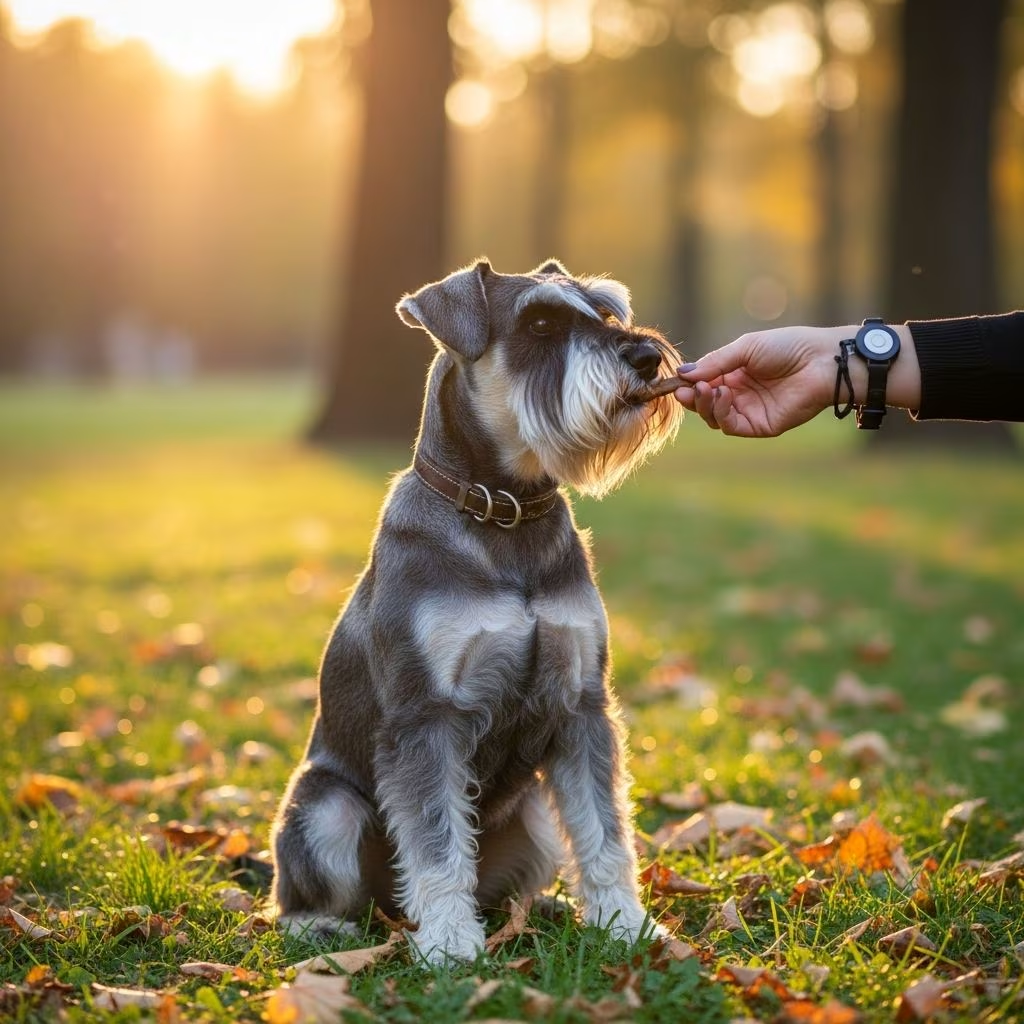
Miniature Schnauzers are spirited, clever dogs that thrive on structure and engagement. Their sharp minds and terrier heritage make them quick learners but prone to distraction, requiring tailored approaches to build reliable behaviors. This guide provides a roadmap to successful training, emphasizing patience, consistency, and reward-based methods for puppies and adults alike.
Understanding the Miniature Schnauzer Temperament
These compact canines, weighing 11-20 pounds, boast high intelligence and boundless energy. Bred as ratters, they exhibit curiosity and independence, which can manifest as stubbornness during training sessions. Their alertness makes them excellent watchdogs, but without guidance, this can lead to excessive barking or chasing instincts. Early intervention harnesses their smarts for positive outcomes, fostering a loyal, adaptable pet suited for apartments or homes with yards.AKC breed profile highlights their adaptability and family-friendly nature when properly socialized.
Essential Preparation for Training Success
Before diving into sessions, create an optimal setup. Select a quiet indoor or fenced outdoor spot free from interruptions. Gather tools like high-value treats (small, soft pieces of chicken or cheese), a 4-6 foot leash, comfortable harness, clicker for precise marking, and durable toys. Familiarize yourself with the breed’s needs: daily mental puzzles alongside 30-60 minutes of physical activity prevent boredom-induced mischief. Involve all household members in rules to avoid mixed signals. Puppies under 16 weeks benefit from frequent, brief interactions to build trust.
- Assess your dog’s age and health via a vet checkup.
- Stock rewards that excite without overfeeding.
- Schedule sessions during peak alertness, like post-meal or morning walks.
Building Foundational Obedience Commands
Begin with core cues: sit, down, stay, and come. These form the bedrock for safety and control. For “sit,” hold a treat above the nose, moving it back until hips drop; mark with a click or “yes” and reward immediately. Progress to “down” by luring from sit position toward the ground. Practice 5-10 times per session, gradually fading lures to verbal cues only. Mini Schnauzers master these in days due to their intellect, but repetition solidifies retention.
| Command | Steps | Tips for Success |
|---|---|---|
| Sit | 1. Lure with treat over head 2. Reward hip drop 3. Add verbal cue | Use in daily routines like before meals |
| Down | 1. From sit, lure to floor 2. Click and treat 3. Practice on varied surfaces | Patience for reluctant droppers |
| Stay | 1. Sit, palm signal “stay” 2. Step back one pace 3. Build duration | Release word like “free” prevents frustration |
Consistency across trainers ensures commands stick.
Housebreaking Your Miniature Schnauzer
Potty training leverages their natural cleanliness. Establish a schedule: every 2 hours for puppies, after naps, meals, and play. Confine to crate when unsupervised—dogs avoid soiling dens. Take outside to a designated spot, using cue like “go potty.” Praise lavishly upon success, offering treats within 3 seconds. Accidents warrant quiet cleanup with enzymatic cleaners; never scold, as it creates fear. Most achieve reliability by 6 months with this routine. Track progress in a journal to spot patterns, adjusting for age or weather.
Perfecting Recall for Safety
A rock-solid “come” prevents escapes and bolsters off-leash freedom. Start indoors: say name + “come” in an excited tone, rewarding heavily. Advance to longer distances and mild distractions like toys. Use a long line (20-30 feet) outdoors for practice pulls. Avoid calling for unpleasant tasks; instead, approach calmly. High-value rewards like tug games keep motivation high. Aim for 90% reliability before dog parks. This life-saving skill demands ongoing reinforcement amid their hunting drive.
Leash Manners and Loose Walking
Mini Schnauzers pull due to scent obsession. Teach loose-leash by stopping when tension occurs, resuming on slack. Reward alongside you with treats every few steps. Practice in low-distraction zones first, progressing to streets. “Heel” for formal walks uses gentle collar pressure, but harnesses reduce strain. Sessions of 10 minutes yield calm strolls. Combine with sniffing breaks to satisfy curiosity without forging ahead.
Socialization: Building Confidence
Expose puppies post-vaccinations to controlled stimuli: people, sounds, surfaces, and calm dogs. Arrange playdates or puppy classes for peer learning. Gradual introductions prevent fear aggression. By 12 weeks, aim for positive encounters with 100 novel items/experiences. Adults benefit from refresher outings. Well-socialized Schnauzers greet visitors politely and ignore passersby.
Addressing Common Behavioral Challenges
Barking at noises stems from guarding instincts—teach “quiet” by waiting for a pause, then rewarding. Chewing redirects to appropriate toys; resource guarding improves via cooperative games. Jumping guests? Ignore until all paws ground, then greet. Stubbornness yields to short, varied sessions preventing boredom. Exercise curbs hyperactivity; puzzle toys engage minds.
- Barking: Desensitize triggers with counter-conditioning.
- Digging: Provide dig pits outdoors.
- Chasing: Redirect to fetch or tug.
Advanced Training and Enrichment
Elevate skills with agility basics, scent work, or tricks like spin/paw. Enroll in AKC S.T.A.R. Puppy for structured socialization. Rotate activities weekly to combat repetition aversion. Trackers or flirt poles burn energy indoors. Mental fatigue trumps physical for calm evenings.
Maintaining Long-Term Training Habits
Short daily refreshers (5-15 minutes) preserve gains. Fade treats to intermittent praise. Consistency from all handlers prevents regression. Annual refresher courses or pro check-ins address drifts. Lifelong learning keeps bonds strong.
When to Seek Professional Help
If fear, aggression, or persistent issues arise, consult certified trainers (CPDT-KA). Behaviorists diagnose via observation. Early intervention averts escalation; most resolve with customized plans.
Frequently Asked Questions
How long do training sessions last for Miniature Schnauzers?
Keep them to 10-15 minutes to match their attention span, multiple times daily for best results.
Are Miniature Schnauzers hard to house train?
No, their fastidious nature aids quick success with consistent routines and crates.
What treats work best?
Soft, pea-sized pieces of meat or cheese; vary to maintain interest.
Can adults learn new tricks?
Yes, intelligence persists; adapt for slower pace and health.
Is crate training cruel?
Not when introduced positively; it’s a safe den promoting bladder control.
References
- Miniature Schnauzer Puppy Growth Timeline & Training Milestones — American Kennel Club (AKC). 2023-10-15. https://www.akc.org/expert-advice/puppy-information/how-to-train-a-miniature-schnauzer-puppy-growth-timeline-milestones/
- Training Tips — American Miniature Schnauzer Club. 2024-05-20. https://amsc.us/all-about-miniature-schnauzers/training-tips/
- How to Train a Miniature Schnauzer — WagWalking. 2025-01-10. https://wagwalking.com/training/train-a-miniature-schnauzer
- The Vet’s Guide to Miniature Schnauzers: Facts, Care, and Training — Vets Love Pets. 2024-08-05. https://vetslovepets.com.au/blogs/dog/miniature-schnauzer-breed-guide
- Training Recall for Miniature Schnauzers: A Step-by-Step Guide — DogBizness. 2024-11-12. https://www.dogbizness.com.au/post/training-recall-for-miniature-schnauzers-a-step-by-step-guide



