

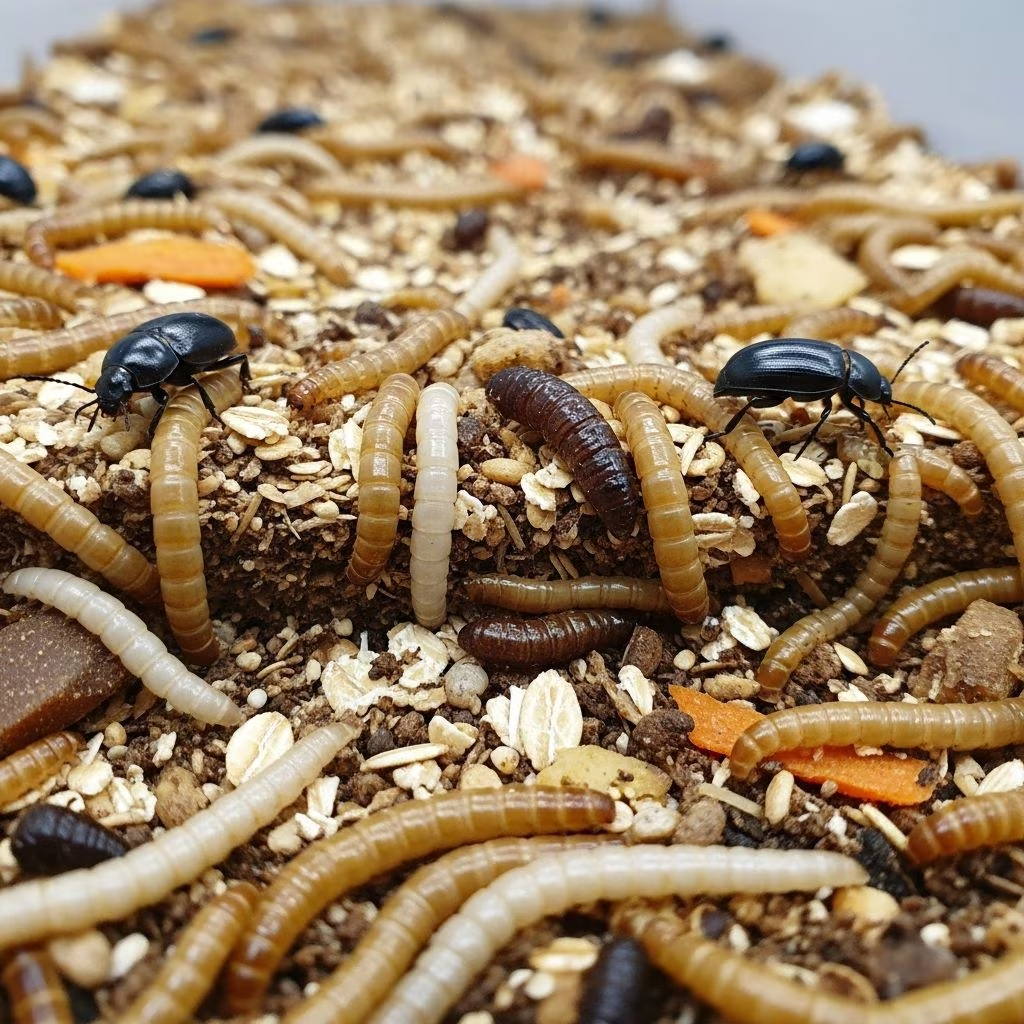
Mealworms serve as an excellent, nutrient-packed food source for reptiles, birds, fish, and other pets. Cultivating them at home offers a cost-effective, fresh supply while minimizing store visits. This guide explores everything from initial setup to advanced management techniques, ensuring your colony flourishes.
Understanding the Mealworm Lifecycle
Grasping the complete life cycle is foundational to successful farming. Mealworms progress through four stages: egg, larva, pupa, and adult beetle. Larvae, the familiar wriggling form, dominate as feeders, lasting weeks to months based on conditions. Pupae transform into beetles, which then lay eggs to perpetuate the cycle.
Maintain temperatures between 70-80°F (21-27°C) to support all stages; extremes halt development or cause mortality. Humidity around 50-70% prevents desiccation without fostering mold. Cycle duration varies: larvae grow in 8-10 weeks under ideal conditions, beetles live 2-3 months, producing 200-500 eggs each.
Selecting the Right Containers and Housing
Choose smooth-sided plastic tubs or bins, 6-12 inches deep, as mealworms cannot climb plastic effectively. Opt for food-grade materials to avoid toxins. Ventilation is crucial—drill 1/4-inch holes in lids or sides, covered with fine mesh to block escapes.
For multi-stage separation, use stacked systems: a beetle bin atop a larval drawer with screened bottoms allows eggs and frass to sift down naturally. Start with 10-20 gallon totes for small operations (1,000-5,000 worms); scale to larger for commercial yields.
| Container Size | Ideal Colony Size | Best Use | Ventilation Needs |
|---|---|---|---|
| 5-10 gallon | 500-2,000 | Beginners | 10-20 holes/mesh lid |
| 20 gallon | 5,000-10,000 | Intermediate | Full mesh lid + sides |
| 50+ gallon | 20,000+ | Advanced | Custom screened panels |
Optimal Substrate Choices for Growth
Substrate doubles as bedding and primary nutrition. Wheat bran reigns supreme for its affordability and fine texture, allowing easy burrowing—fill 2-3 inches deep. Mix with rolled oats (once larvae are visible) at 3:1 ratio to boost growth rates; oats provide bulk but sift less easily.
- Wheat bran: Base layer, $0.30/lb bulk, high burrowing appeal.
- Oats/Bran blend: Accelerates maturation, refresh bi-weekly.
- Additives: 5-10% brewer’s yeast or wheat germ for protein/vitamins; ground eggshells for calcium.
Avoid instant oats or flour-heavy mixes, as they compact and promote mites. Refresh substrate monthly or when frass accumulates 50% volume to sustain health.
Providing Hydration and Nutrition
Mealworms derive moisture from vegetables, not standing water, which invites bacteria. Insert slices of potato, carrot, cabbage, or apple—replace every 2-4 days to curb mold. Larger colonies demand more: 1-2 inches of veg per 1,000 worms.
Beetles require similar feeds but consume less; supplement with high-calcium greens like kale for pet nutrition pass-through. Pro tip: Bury veg slices initially for tiny larvae, surface-place for mature ones—they’ll drag it under.
Essential Tools for Efficient Separation
Manual pupae picking fails at scale. Invest in sifting trays with graduated mesh sizes (1/8-inch for larvae, finer for eggs). Stackable systems or pupae bridges elevate pupae above cannibals.
Migration setups shine for no-sift harvesting: angled ramps lead mature larvae to collection bins via instinctual downward crawl. Beginners: start with 8×11-inch trays ($20-30) handling 5,000+ worms.
| Tool | Function | Cost Range | Beginner Rating |
|---|---|---|---|
| Sifting Tray | Pupae/larvae sort | $15-55 | Essential |
| Pupae Bridge | Protects metamorphosing | $6-20 | Highly Recommended |
| Migration Ramp | Self-harvest | $10-25 | Advanced |
Starting Your Colony: Step-by-Step
- Purchase starters: 500-1,000 large larvae or mixed beetles from reputable suppliers; freeze extras for future.
- Prep bins: Layer substrate, add moisture source, stabilize at 75°F.
- Introduce colony: Scatter evenly; monitor for activity within 24 hours.
- Sift weekly: From week 4, separate pupae/beetles to dedicated bins.
- Beetle bin management: Fresh substrate every 4 weeks maximizes egg yield.
Expect first harvest in 8-12 weeks; double population monthly with proper care.
Daily and Weekly Maintenance Routines
Daily: Check/replace veg, remove moldy pieces. Weekly: Sift frass, add substrate, count pupae. Monthly: Full refresh for beetle bin, cull weak individuals. Migration systems cut labor to bi-weekly resets.
- Temperature log: Use digital thermometer/hygrometer.
- Feed scaling: Increase veg proportionally to worm mass.
- Pest patrol: Inspect for mites (dusty webs)—reduce moisture if spotted.
Harvesting Techniques for Maximum Yield
Harvest mature (dark, C-shaped) larvae post-sift. Rinse in cool water, pat dry, store chilled (45-55°F) up to 2 weeks. For bulk: chill entire tray pre-sift. Self-harvesting migration drops ready worms into a lower bin—no mess.
Yield benchmarks: 1,000 starters yield 5,000+ in 3 months; optimize via nutrition for larger sizes.
Scaling Up: From Hobby to High-Yield
Expand via parallel bins: one per growth stage. Rotate 5-bin cycle (monthly starts) for continuous supply. Commercial: 16×24-inch trays, automated climate control for 50,000+. Budget kit under $50 yields hobby-scale indefinitely.
Common Challenges and Solutions
Mites/Mold: Improve ventilation, drier veg. Slow Growth: Warm to 77°F, yeast-boost. Cannibalism: Prompt pupae isolation. Escapes: Smooth walls, tight lids.
Nutritional Benefits for Pets
Home-raised mealworms boast superior moisture (85% vs. store 10%), retaining 2x protein post-thaw. Gut-load with calcium-rich feeds for optimal pet health.
Frequently Asked Questions
Can mealworms climb glass or plastic?
No, smooth plastic prevents this; glass works but is heavier.
How often to sift?
Every 3-7 days once pupae appear.
Do I need separate bins for each stage?
Yes for efficiency; migration simplifies.
What’s the best starter substrate?
Wheat bran solo, add oats later.
How to store harvested worms?
Chilled in bran, feed within 10-14 days.
References
- Mealworm Farming Equipment for Beginners – Complete Guide 2026 — Space Coast Mealworms. 2026. https://www.spacecoastmealworms.com/blogs/news/mealworm-farming-equipment-guide-for-beginners-complete-buying-guide
- Meal Worm Farm – Easy Method! — Dana Kayal. N/A. https://www.danakayal.com/post/meal-worm-farm-easy-method
- The Easiest Mealworm Farm Ever? Simple & No Sifting! — YouTube (Video). N/A. https://www.youtube.com/watch?v=xjc4NQpdcdg
- Raising Mealworms: Everything You Always Wanted to Know — Sialis.org. N/A. https://www.sialis.org/raisingmealworms/



