

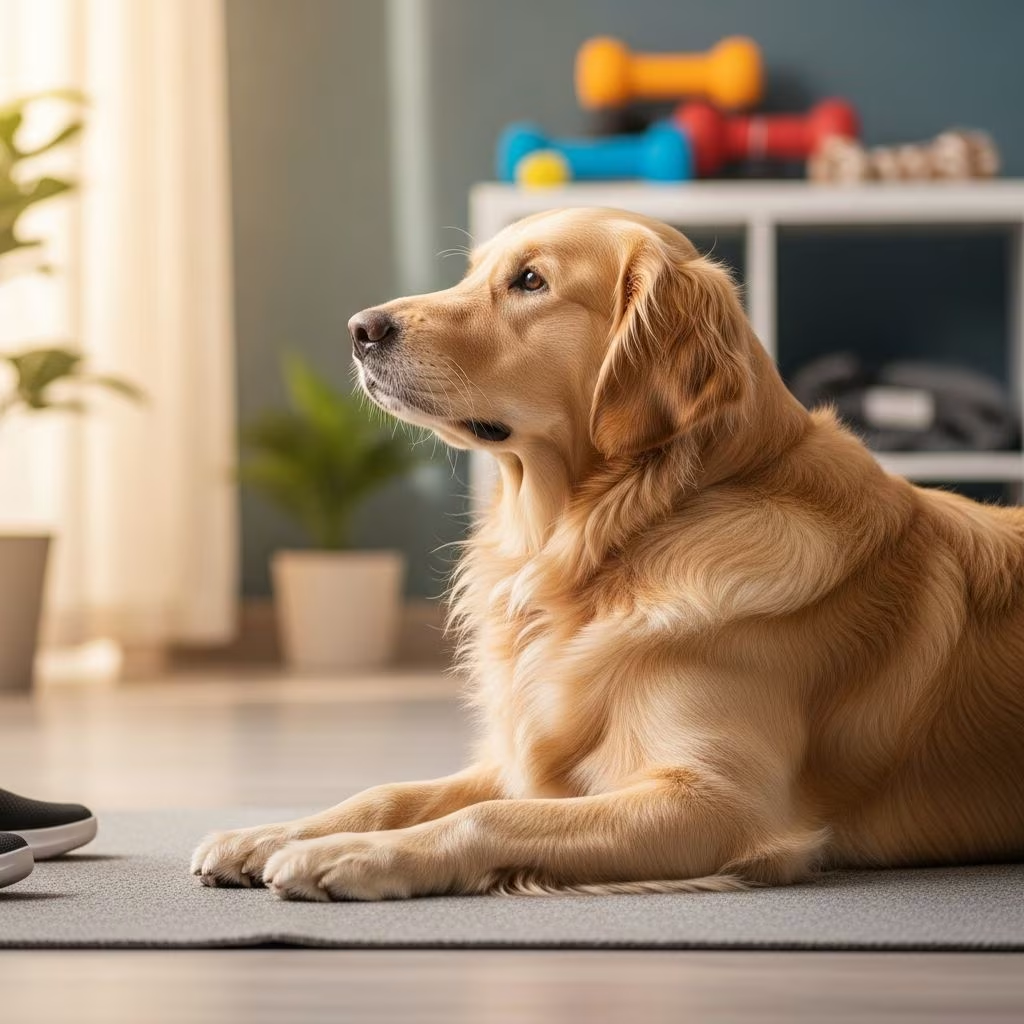
Mat training stands out as one of the most versatile skills you can teach your dog. It involves directing your pet to a specific mat or bed, where they learn to relax, stay put, and respond reliably to cues. This foundational behavior addresses jumping, restlessness, and overstimulation while promoting impulse control and security. Suitable for puppies and adults alike, it uses positive reinforcement to foster calm without force.
Why Mat Training Transforms Dog Ownership
At its core, mat training creates a designated “safe space” for your dog. This spot becomes synonymous with relaxation and rewards, helping manage high-energy moments like guest arrivals or mealtimes. Dogs practicing this skill show reduced anxiety in new environments, better tolerance for solitude, and smoother interactions with other pets. Owners report fewer incidents of begging or counter-surfing once the routine is established.
Research from animal behavior experts highlights how such protocols mimic den-like security, tapping into innate canine instincts. By associating the mat with positive outcomes, dogs build confidence and learn self-settling, essential for household harmony.
Selecting the Perfect Training Mat
Choose a mat that’s comfortable yet portable. Options include yoga mats, bath mats, or elevated dog beds—aim for something chew-resistant with a non-slip base. Size matters: large enough for your dog to lie down fully but not so big it loses focus. Textured surfaces encourage paw contact, while neutral colors blend into home settings.
- Comfort first: Soft padding prevents joint strain during long sessions.
- Portability: Lightweight for travel or room-to-room use.
- Durability: Withstands enthusiastic paws and washes easily.
Introduce the mat casually by placing it in a quiet area and scattering kibble on it during meals. This builds initial interest without pressure.
Step-by-Step Guide to Basic Mat Proficiency
Begin with short, fun sessions of 5-10 minutes, 3-4 times daily. Use high-value treats like chicken bits or cheese, a marker word (“yes!” or clicker), and patience. Prerequisites include basic familiarity with treats and calm handling.
Phase 1: Spark Curiosity and First Contact
Hold the mat enthusiastically, tapping it or sniffing it yourself to pique interest. When your dog approaches or touches it, mark immediately and drop a treat directly on the surface. Repeat 10-15 times until they target it willingly. This pairs the mat with rewards effortlessly.
- Stand near the mat with treats hidden.
- Wait for voluntary interaction—no luring yet.
- Mark and reward on-mat only to anchor location.
Phase 2: Build On-Mat Behaviors
Once contact is consistent, shape for duration. Reward any interaction, upgrading to premium treats for lying down. Encourage relaxation by tossing treats slightly off-mat occasionally, prompting quick returns. Sessions end on success to maintain motivation.
| Behavior Level | Treat Value | Goal Repetitions |
|---|---|---|
| Paw touch | Medium | 20+ |
| Sit/Down | High | 10-15 |
| Relaxed settle | Jackpot | 5-10 |
Phase 3: Introduce Position and Duration
Cue “mat” or “place” just before they move toward it. Lure into down if needed, then delay rewards to stretch time—start at 3 seconds, building to 30+. Use a release like “break” to signal end. Practice across rooms for generalization.
Phase 4: Master Distance and Proofing
Step back gradually, rewarding stays from 2 feet, then 10. Introduce mild distractions: clap hands, drop items, or have family members enter. Real-life simulations—like simulating doorbells or dinner prep—solidify reliability.
- Begin 1-2 steps away.
- Return to reward, fading over time.
- Layer distractions slowly for success.
Advanced Techniques for Lasting Results
Elevate training with variable rewards and chained cues. Pair mat with “stay” for automatic holds. For multi-dog homes, rotate turns to prevent resource guarding. Track progress in a journal, noting triggers for regression.
Shaping Relaxation Postures
Guide chin tucks or hip rolls for deeper calm. Reward chin-on-paw or sighing—subtle signs of decompression. Duration builds resilience to chaos.
Fading Lures and Randomizing
Shift from constant treats to life rewards: meals on-mat, toys nearby. Randomize cue timing to mimic unpredictability.
Real-World Applications of Mat Mastery
Beyond basics, mat training solves myriad issues:
- Guest greetings: Send dog to mat preemptively for polite hellos.
- Vet visits/travel: Portable mat eases anxiety in unfamiliar spots.
- Multi-pet dynamics: Separate tensions during feeding or play.
- Dinner time: Keeps beggars at bay without isolation.
- Exercise recovery: Post-walk settle prevents zoomies.
In classes or parks, it boosts focus amid distractions. Owners use it for nail trims or grooming, associating mats with handling.
Common Hurdles and Fixes
Dogs may ignore cues or pop off early. Solutions:
| Problem | Solution |
|---|---|
| No interest | Boost mat value with meals; shorten sessions. |
| Short stays | Capture spontaneous downs; build 1 second at a time. |
| Distraction fails | Lower criteria; practice in low-stakes zones first. |
| Regression | Revert one phase; add play breaks. |
Avoid punishment—it erodes trust. Consistency trumps intensity.
Tools and Enhancers for Success
Clickers sharpen timing; long leashes aid distance work. Apps track sessions. For seniors, orthopedic mats support joints.
FAQs on Mat Training Essentials
What’s the best age to start mat training?
Puppies as young as 8 weeks thrive, but adults learn quickly too—especially rescues needing security.
How long until reliability?
Basics in 1-2 weeks with daily practice; fluency in 4-6 weeks amid distractions.
Can reactive dogs benefit?
Yes—mats create distance buffers, reducing triggers over time.
One mat or multiple?
Start with one, duplicate for key areas like kitchen or car.
Breeds that excel?
All respond, but high-drivers like Border Collies master fastest.
Long-Term Maintenance Strategies
Practice weekly refreshers. Rotate mats to prevent cue fading. Integrate into routines: bedtime, post-play. Monitor for staleness—refresh with new rewards.
Mat training evolves with your dog. As proficiency grows, it underpins advanced obedience like recalls or heeling. Celebrate milestones; a proficient mat dog signals deeper partnership.
References
- Mat Training Tips — Whole Dog Journal. 2023-05-15. https://www.whole-dog-journal.com/training/mat-training-tips/
- Go to Place/Mat Handout — Every Dog Austin (non-profit dog training org). 2024-02-10. https://www.everydogaustin.org/handouts/go-to-place%2Fmat
- The Magic of Teaching Your Dog to Go to Mat — Cold Nose College Dog Training. 2023-11-20. https://www.coldnosecollege.com/the-magic-of-teaching-your-dog-to-go-to-mat
- How to Mat Train Your Dog — Kinship (veterinarian-reviewed). 2024-01-08. https://www.kinship.com/dog-behavior/mat-dog-training
- Teaching Dog Go to Mat — Dog’s Day Out Seattle (certified trainers). 2023-09-12. https://dogsdayoutseattle.com/teaching-dog-go-mat/



