

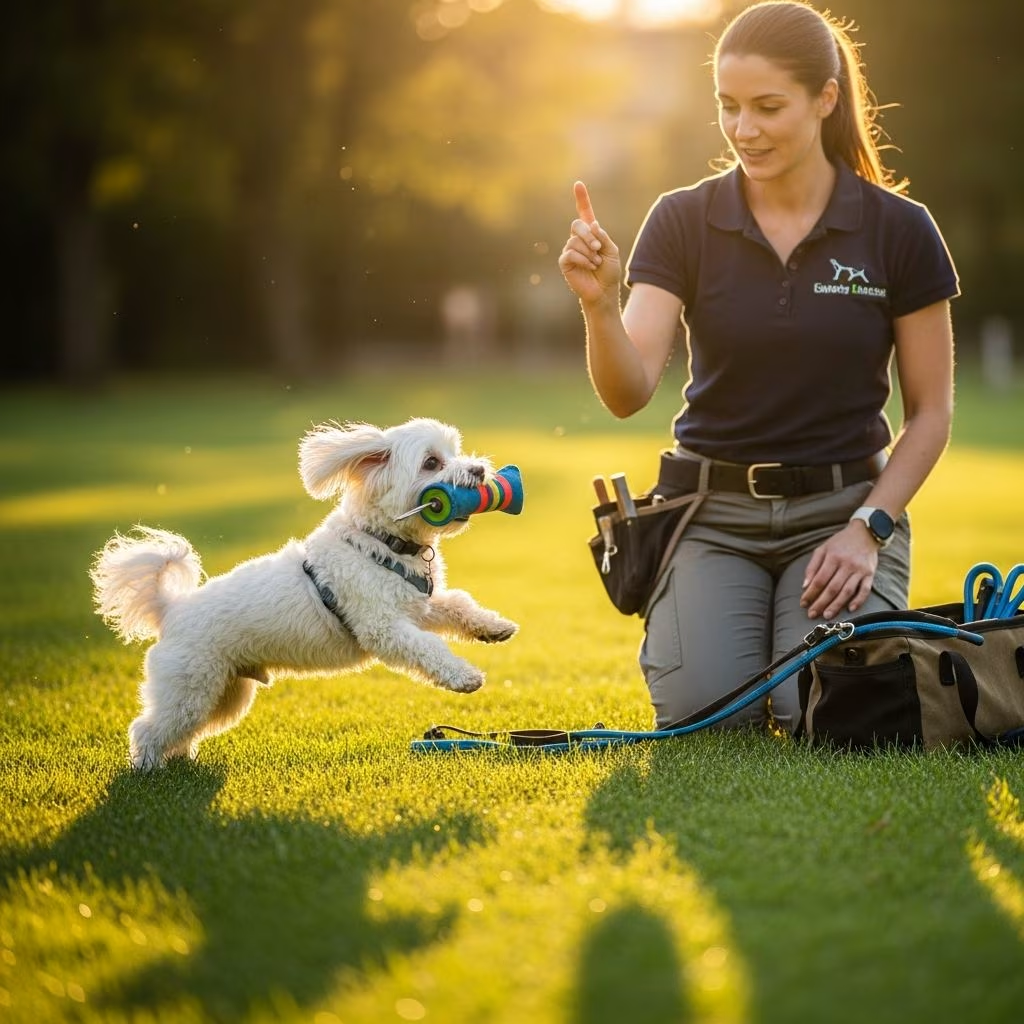
The Maltese breed stands out for its intelligence, eagerness to please, and adaptability to training, making them ideal companions for families and individuals alike. With the right approach, owners can shape their Maltese into a polite, responsive dog that thrives in various environments. This guide draws on established canine behavior principles to outline a complete training roadmap, emphasizing patience, consistency, and reward-based methods.
Understanding the Maltese Temperament
Maltese dogs possess a lively personality marked by high energy, curiosity, and a strong bond with their humans. Their small size belies a bold spirit, which can sometimes lead to stubborn streaks or overexcitement if not channeled properly. Recognizing these traits early allows owners to tailor training that aligns with their natural inclinations, fostering confidence rather than frustration.
- Intelligence and Quick Learning: These dogs grasp commands swiftly when motivated by praise or treats.
- Social Needs: They crave interaction, which makes early exposure to new experiences crucial.
- Potential Challenges: Tendencies toward barking or anxiety require proactive strategies.
By leveraging their desire to please, training becomes a joyful process rather than a chore. American Kennel Club standards highlight the breed’s alertness and playfulness, underscoring the need for structured guidance from a young age.
Building a Strong Foundation: Puppy Training Essentials
Begin training during the critical socialization window between 3 and 14 weeks, when puppies absorb information most effectively. Focus on creating positive associations with learning to set the stage for lifelong obedience.
Daily Routines for Success
Implement a predictable schedule encompassing meals, play, naps, and training slots. This structure provides security, reducing anxiety and accelerating skill acquisition. For instance, align short sessions post-meals when the puppy is alert but not overwhelmed.
| Time of Day | Activity | Purpose |
|---|---|---|
| Morning | Potty break + 5-min command practice | Establishes hygiene habits and focus |
| Afternoon | Play + socialization outing | Builds confidence and energy release |
| Evening | Quiet training + crate time | Promotes calm and independence |
Positive Reinforcement Techniques
Reward desired actions immediately with small treats, verbal cheers, or gentle pets. This method strengthens neural pathways for good behavior, avoiding fear-based responses. Studies from the American Veterinary Medical Association affirm that reward systems yield faster, more reliable results than punishment.
Housebreaking Your Maltese: Step-by-Step Process
Potty training demands vigilance and consistency, typically taking 4-12 weeks for mastery. Confine the puppy to a limited area like a playpen to monitor elimination cues and prevent accidents.
- Designate a Spot: Choose an outdoor or pee-pad location and lead the puppy there consistently.
- Watch for Signals: Sniffing, circling, or whining indicate urgency—interrupt gently and escort to the spot.
- Use Cue Words: Phrases like “go potty” paired with the action build association over time.
- Generous Rewards: Offer high-value treats right after completion to reinforce the behavior.
- Scheduled Trips: Every 1-2 hours for young pups, plus after eating, drinking, playing, or waking.
Supervision is key; a long leash indoors helps redirect without scolding. Patience prevents setbacks, as puppies under 12 weeks have limited bladder control.
Leash Manners and Outdoor Adventures
Leash training ensures safe walks, starting indoors to minimize distractions. Progress gradually to busier settings, rewarding loose-leash walking.
- Introduce the collar and leash during play to create positive links.
- Practice “heel” with treats held at your side, stopping if the dog pulls.
- Incorporate turns and stops to teach attentiveness.
For dominant tendencies, require a sit before meals or door access, establishing leadership gently. This curbs food guarding and builds impulse control.
Socialization: Key to a Confident Maltese
Expose your dog to diverse stimuli—people, animals, sounds, surfaces—during puppyhood. Controlled puppy classes or park visits under supervision prevent fearfulness.
Gradual introductions avoid overload: Start with calm friends, then expand. Positive outcomes here reduce future reactivity, vital for apartment dwellers.
Crate Training for Security and Independence
A crate mimics a den, aiding housebreaking and travel. Introduce it with treats and meals inside, keeping doors open initially.
- Short sessions build tolerance, extending to naps.
- Never use as punishment to maintain its safe haven status.
- Comfort items like blankets enhance appeal.
This tool combats separation issues, common in velcro-like Maltese.
Addressing Common Behavior Challenges
Reducing Excessive Barking
Barking communicates needs but can escalate. Teach “quiet” by waiting for a pause post-bark, then rewarding silence. Desensitize to triggers like doorbells through repeated, low-intensity exposures.
Managing Separation Anxiety
Practice alone time from minutes to hours, leaving puzzle toys. Calm departures and returns without fanfare prevent reinforcement of distress.
Chewing and Destructive Habits
Supply age-appropriate chew toys, redirecting inappropriate gnawing. Bitter sprays protect valuables temporarily.
Advanced Skills: Tricks and Agility
Once basics solidify, teach “spin,” “paw,” or agility basics. Short, fun sessions tap their athleticism, enhancing the owner-dog bond.
Competitions suit their agility, but home practice suffices for enrichment.
Nutrition’s Role in Trainability
Quality diet fuels focus. Opt for puppy formulas rich in DHA for brain health, feeding scheduled meals to maintain energy without free-feeding pitfalls.
When to Seek Professional Help
If progress stalls after consistent effort, consult a certified trainer. Early intervention resolves issues like aggression or severe anxiety effectively.
Frequently Asked Questions (FAQs)
How long does it take to housebreak a Maltese puppy?
Typically 4-12 weeks with diligent scheduling and rewards.
Are Maltese easy to train?
Yes, their smarts and people-pleasing nature make them responsive to positive methods.
What if my Maltese pulls on the leash?
Stop walking until slack returns, rewarding compliance.
Can older Maltese be trained?
Absolutely—adapt sessions to their pace with the same core principles.
How do I stop my Maltese from barking at strangers?
Socialize early and reward calm greetings.
References
- Animal Welfare Act and Regulations — United States Department of Agriculture. 2023-01-01. https://www.aphis.usda.gov/animal_welfare/downloads/bluebook-ac-awa.pdf
- Position Statement on Puppy Socialization — American Veterinary Society of Animal Behavior. 2022-04-15. https://avsab.org/wp-content/uploads/2018/03/Puppy_Socialization_Position_Statement_Download_-_10-3-14.pdf
- Maltese Breed Standard — American Kennel Club. 2025-06-12. https://www.akc.org/dog-breeds/maltese/
- Positive Reinforcement Training Guidelines — Association of Professional Dog Trainers. 2024-02-20. https://apdt.com/resource-center/positive-reinforcement/
- Canine Crate Training Protocol — Tufts University Cummings School of Veterinary Medicine. 2023-11-05. https://vet.tufts.edu/cummings-veterinary-medical-center/small-animal/behavior/crate-training



