Mastering Lure Training for Dogs
Unlock the power of lure training to teach your dog essential behaviors quickly and effectively with positive reinforcement techniques.
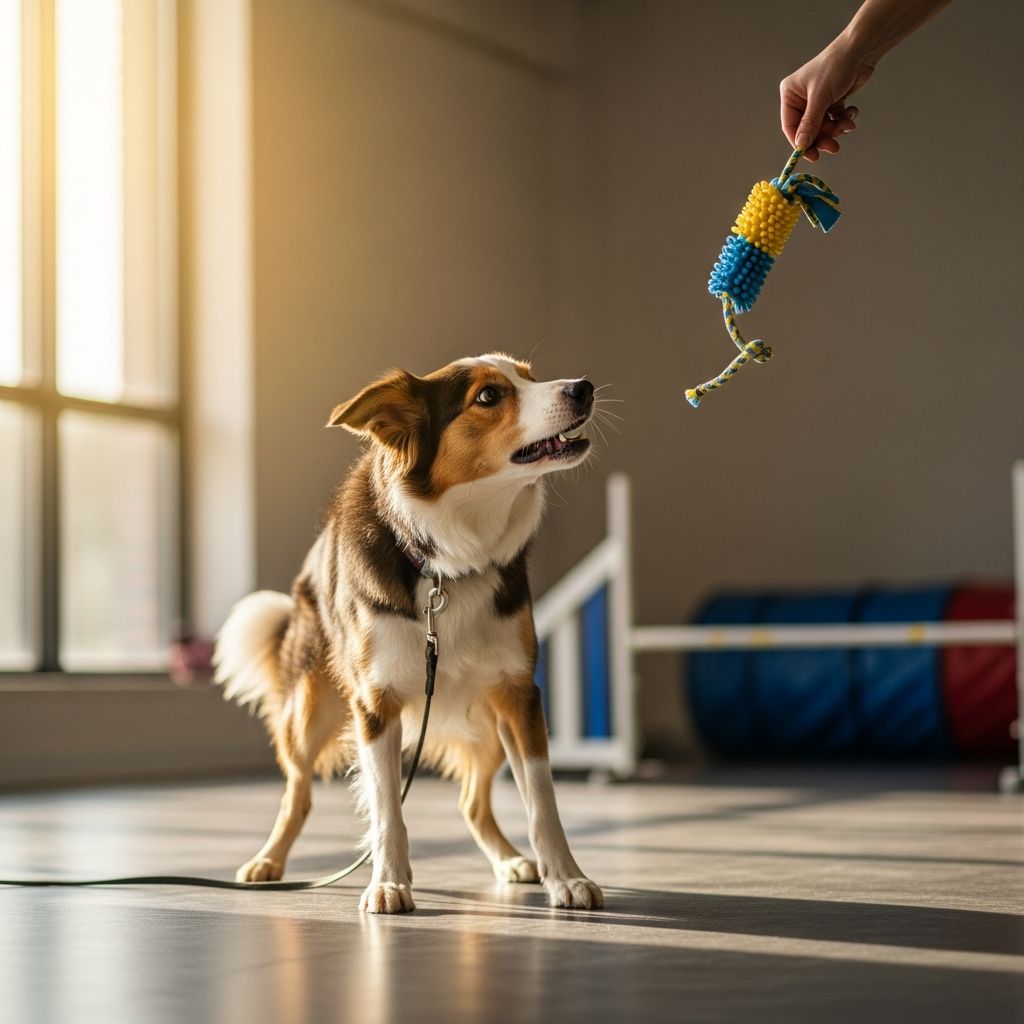
Lure training stands as one of the most accessible and efficient methods for teaching dogs new behaviors. By leveraging a dog’s natural drive for food or toys, trainers guide the animal into desired positions without force, fostering enthusiasm and quick learning. This approach relies on positive reinforcement, where the lure initially directs movement, then transitions into a reward upon completion.
Understanding the Fundamentals of Lure-Based Methods
At its core, lure training uses a high-value item—typically a treat or toy—that captures the dog’s attention. The handler holds this motivator near the dog’s nose, moving it to encourage specific postures or actions. Once the dog complies, a marker like “yes” or a clicker signals success, followed by delivering the reward. This sequence builds a clear association between action and payoff.
Key principles include patience and precision. Movements must be slow to prevent the dog from losing interest or becoming frustrated. High-value lures, such as smelly treats about half an inch in size, work best, tucked behind fingers with just enough scent escaping to entice. Practice in low-distraction environments first to ensure focus.
Selecting the Perfect Lure for Your Dog
Not all dogs respond to the same motivators. Food-driven pups thrive on soft, pungent treats like cheese or liver bits, while toy-motivated ones chase balls or squeakers. Test options by observing what elicits the strongest pursuit—nose tracking and eager following indicate a winner.
- Food lures: Small, soft pieces that release aroma quickly.
- Toy lures: Items easy to grip and manipulate in hand.
- Avoid low-value items that fail to hold attention during sessions.
Introduce the lure game beforehand: Wave it enticingly, rewarding even slight interest to build drive. Gradually demand more movement before payout.
Step-by-Step Guide to Teaching Basic Behaviors
Training the Sit Command
Hold the lure at nose level, then raise it slowly upward and back over the dog’s head. The natural head lift tucks the hindquarters under. Mark and reward as soon as the rear hits the ground. Repeat until consistent, then fade the lure by reducing treat visibility while mimicking the motion.
Mastering the Down Position
From a sit, lower the lure straight down to the floor between front paws. The dog follows, stretching into a lie-down. If resistance occurs, reward partial lowering first.
Guiding a Spin or Circle
Start with the lure at nose height, arc it smoothly around the dog’s head in a full circle. Mark completion enthusiastically. Break into partial turns if needed, shaping toward the full motion.
Table of Common Behaviors and Lure Paths:
| Behavior | Lure Path | Tips |
|---|---|---|
| Sit | Up and back over head | Keep arm close to avoid jumping. |
| Down | Down to floor between paws | Use gradual lowering for stiff dogs. |
| Spin | Circle around head | Go clockwise first, then counterclockwise. |
| Stand | Lateral sweep from sit | Reward straight posture. |
Fading the Lure: Transitioning to Cues
Prolonged lure use risks creating dependency, where dogs only perform with visible food—essentially bribery. Fading prevents this through systematic reduction.
- Establish reliability: Dog follows lure perfectly 100% of the time.
- Introduce hand signal: Use a 3:1 ratio—lure three times, then empty hand once. Dog anticipates from pattern.
- Reduce ratio: Progress to 2:1, then 1:1, rewarding from opposite hand.
- Refine gesture: Shape into precise, subtle cue, like a flat palm for sit.
- Add verbal cue: Say it just before the hand signal, after physical response is solid.
This errorless approach minimizes confusion, boosting confidence.
Advanced Techniques and Troubleshooting
Once basics solidify, layer complexity. Teach heel by luring along your side, rewarding position matches. For recalls, lure toward you across distances.
Common pitfalls:
- Dog falls off lure: Slow motion, upgrade treat value.
- Lure dependency: Fade promptly; vary rewards.
- Distraction issues: Train in stages, from quiet rooms to parks.
- Non-food dogs: Switch to toys or life rewards like play.
Incorporate life rewards—praise, walks, or freedom—to generalize behaviors beyond sessions.
Benefits and Limitations of Lure Training
This method excels for natural positions: sits, downs, spins suit body mechanics. It accelerates learning via clear guidance, suits puppies and rescues alike. Drawbacks include unsuitability for complex chains like fetching, where capturing or shaping fits better.
Studies and experts affirm positive reinforcement’s efficacy; Dr. Ian Dunbar outlines three stages mirroring lure progression. Pair with consistency for lifelong reliability.
Sample Training Session Plan
Structure 10-15 minute sessions, 3-5 daily.
| Phase | Duration | Focus |
|---|---|---|
| Warm-up | 2 min | Lure game review. |
| New skill | 5-7 min | 3-5 reps per step. |
| Review | 3 min | Cued behaviors without lure. |
| Cool-down | 2 min | Fun tricks, praise. |
Frequently Asked Questions (FAQs)
Is lure training suitable for all dogs?
Yes, adaptable for most, but adjust lures for picky eaters or high-drive breeds.
How long to fade the lure?
Typically 1-2 sessions per behavior if practiced consistently.
What if my dog ignores the lure?
Increase value, ensure hunger, or try toys.
Can I use lures for reactive dogs?
With caution; counter-conditioning pairs well, consult pros for aggression.
Verbal cues before hand signals?
No—physical first for clarity, add words later.
Building Lasting Habits Beyond Lures
Generalize by varying locations, handlers, and rewards. Proofing against distractions solidifies cues. Combine with shaping for creativity, where dogs offer behaviors freely.
Consistent practice yields polite, responsive companions. Track progress in a journal to celebrate milestones.
References
- Dog Training 101 Ep 2: Step-By-Step Guide to Lure/Reward Training — 3 Lost Dogs. Accessed 2026. https://www.3lostdogs.com/dog-training-101-ep-2-step-by-step-guide-to-lure-reward-training/
- Training Concept: The Four Stages Of Luring — Success Dogs. Accessed 2026. https://www.successdogs.com/core-training-concepts/the-four-stages-of-luring/
- Luring Dog Training for Beginners — SpotOn Fence. Accessed 2026. https://spotonfence.com/blogs/training-tips/dog-training-techniques-luring
- The Right Way to Do Lure Reward Dog Training — Animal Behavior College. Accessed 2026. https://www.animalbehaviorcollege.com/blog/pet-training/right-way-lure-reward-dog-training/
- Fading a Lure in Dog Training: Errorless Positive Methods — Laylo Pets. Accessed 2026. https://www.laylopets.com/blogs/barkives/positive-reinforcement-dog-training-fading-a-lure-in-dog-training-using-errorless-dog-training-techniques
- What Is Lure-Reward Dog Training? — Animal Wellness Magazine. Accessed 2026. https://animalwellnessmagazine.com/what-is-lure-reward-dog-training/
Similar Articles








Read full bio of Sneha Tete