

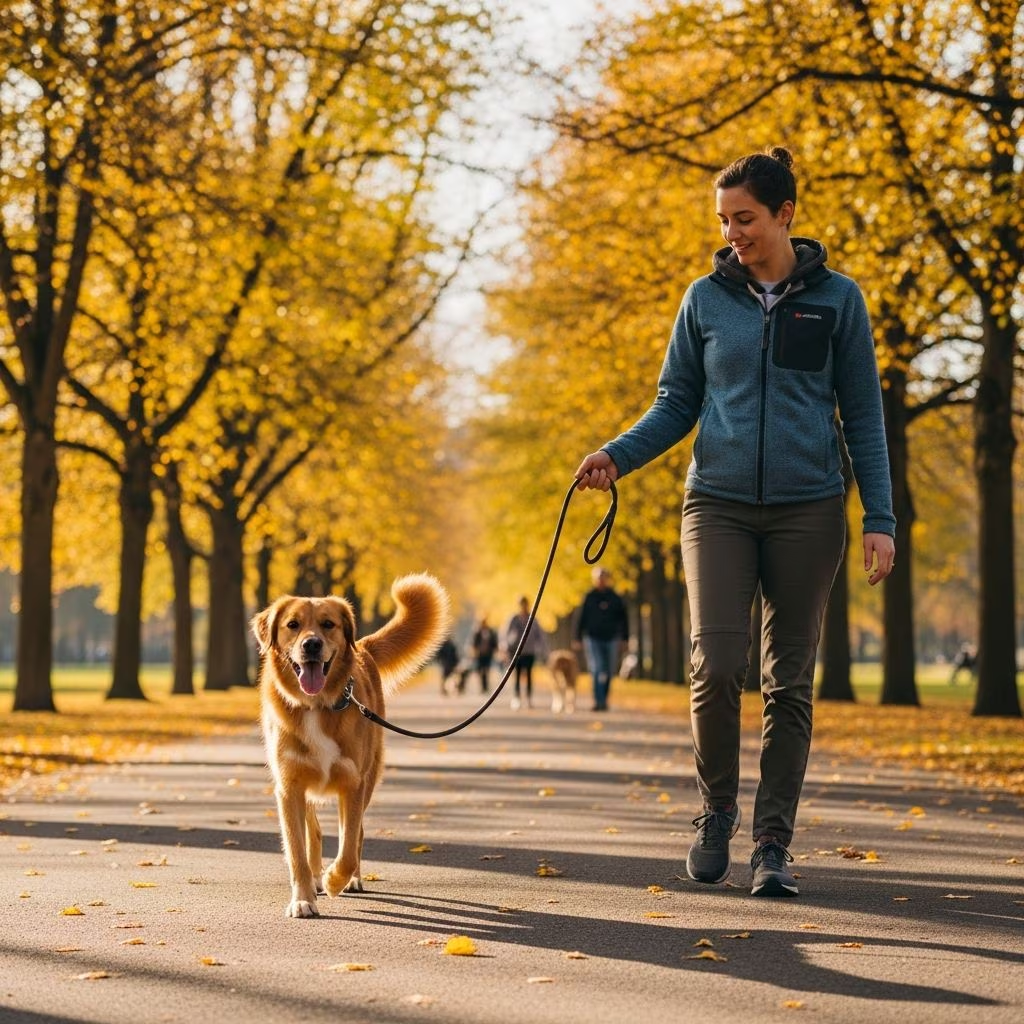
Teaching your dog to walk calmly on a leash transforms daily outings from battles into bonding experiences. This skill enhances safety, reduces frustration, and promotes a healthier relationship between you and your pet. Drawing from established training protocols, this guide outlines practical steps, gear recommendations, and strategies to achieve reliable loose leash behavior.
Why Loose Leash Walking Matters
A dog that pulls constantly risks injury to both itself and the handler, leading to strained necks, sore arms, and escalating reactivity. Proper training fosters attentiveness, impulse control, and enjoyment during walks. Organizations like the American Kennel Club emphasize that consistent practice yields dogs who heel naturally without force.
Benefits extend beyond convenience: loose leash walking minimizes leash entanglements, allows better environmental awareness, and supports mental stimulation through structured movement. Start young with puppies, but adults can learn too with patience and positive reinforcement.
Selecting the Right Equipment
Quality gear sets the foundation for success. Opt for a non-retractable leash, typically 4-6 feet for standard training, though longer options like 10-30 feet aid advanced practice by granting freedom while maintaining control. Flat or round leashes work well; avoid retractables as they encourage pulling.
Harnesses outperform collars for most dogs, especially pullers. Front-clip models, such as those from Sense-ation or Easy Walk brands, redirect forward momentum, prompting the dog to turn toward you. Ensure a snug fit without restricting breathing or movement. Pair with a treat pouch for quick access to rewards and a marker like a clicker or “yes” word to pinpoint desired actions.
| Equipment | Best For | Key Features |
|---|---|---|
| Front-Clip Harness | Pullers & Large Breeds | Redirects pulling, reduces strain by 98% |
| 6-Foot Leash | Daily Walks | Allows slack, promotes heeling |
| Treat Pouch | All Training | Hands-free rewards, organization |
| Clicker/Marker | Precision Timing | Signals exact good behavior |
Building a Strong Foundation Indoors
Begin training in a low-distraction environment like your living room to associate the leash with positivity. Introduce the gear gradually: let your dog drag the leash while offering treats to counter any fear. Once comfortable, progress to guided movement.
- Face your dog, place a treat on the ground, and walk forward as they follow. Mark and reward slack-leash positions.
- Gradually extend steps between rewards randomly (e.g., 1, 3, 2 steps) to build duration.
- Add a cue like “Let’s go!” before moving, marking heel position at your side.
Practice short sessions of 5-10 minutes daily. High-value treats motivate initially, transitioning to lower-value ones as proficiency grows.
Core Training Exercises for Loose Leash
Red Light/Green Light Method
This exercise teaches that tension halts progress. Place treats 4-5 feet away, out of reach. Move forward only on a loose leash; stop immediately if pulling occurs. Resume upon slack. The goal: reach rewards via calm walking.
U-Turn Technique
When forging ahead, pivot abruptly in the opposite direction with a cheerful “Turn!” Reward catch-up at your knee. This interrupts momentum without confrontation. Repeat to instill direction-following.
Attention Check-Ins
Combine games outdoors: reward voluntary eye contact during walks. If pulling, pause until slack returns—progression of the walk becomes the reinforcer. Use your dog’s name at leash end to prompt automatic lookbacks.
Incorporate fun: be upbeat, use silly voices, and vary pace to keep engagement high.
Transitioning to Real-World Walks
Once indoors succeed, venture outside. Start in quiet areas, gradually increasing distractions. Maintain random rewarding to prevent anticipation.
- Shorten sessions if overwhelmed; end on successes.
- Sniff walks as breaks: cue “free time” for exploration on loose leash.
- Longer leashes (20-30 feet) for confident dogs reduce resistance.
Consistency across family members prevents confusion. Track progress: aim for 80% slack-leash time before advancing.
Troubleshooting Common Challenges
Persistent Pullers: Revert to basics; use no-pull harnesses temporarily while teaching. Avoid yanking— it heightens arousal.
Fearful Dogs: Desensitize gear indoors with treats. Consult professionals for extreme reactions like shaking.
High-Distraction Environments: Up rewards, shorten leash temporarily, or U-turn frequently.
Puppies: Short, frequent sessions match attention spans. Front-clip harnesses suit growing frames.
| Issue | Solution | Expected Timeline |
|---|---|---|
| Constant Pulling | Red Light/Green Light + Harness | 1-2 weeks |
| Ignores Cues | Increase Treat Value + U-Turns | 3-5 days |
| Leash Reactivity | Longer Leash + Distance | 2-4 weeks |
Advanced Techniques and Maintenance
Phase out treats by randomizing to life rewards like continuing walks or play. Teach heeling beside any leg position. Group classes refine skills amid distractions.
Maintenance: Weekly refreshers prevent regression. Vary routes for generalization.
Frequently Asked Questions (FAQs)
How long does leash training take?
Typically 2-6 weeks with daily practice, varying by dog age and consistency.
Can older dogs learn?
Yes, positive methods work across ages; patience is key.
What if my dog lunges at distractions?
Increase distance, use U-turns, and reward focus.
Are harnesses better than collars?
For pullers, yes—safer and more effective.
Should I use a retractable leash?
No, they promote pulling; stick to fixed-length.
Final Tips for Lasting Success
Exercise before walks reduces energy. Stay patient—progress isn’t linear. Enroll in classes for guided support. With these methods, you’ll enjoy tension-free strolls that strengthen your bond.
References
- Training Tips: Loose Leash Walking — San Diego Humane Society. Accessed 2026. https://sdhumane.org/resources/training-tips-loose-leash-walking/
- How To Leash Train a Dog — PetMD. Accessed 2026. https://www.petmd.com/dog/general-health/how-to-leash-train-dog
- Teaching Loose Leash Walking — Ontario SPCA. Accessed 2026. https://ontariospca.ca/blog/teaching-loose-leash-walking/
- How To Teach a Puppy To Walk on a Leash — American Kennel Club. Accessed 2026. https://www.akc.org/expert-advice/training/teach-puppy-walk-leash/
- Dog Training 101: Leash Training — Brandon McMillan (YouTube). Accessed 2026. https://www.youtube.com/watch?v=CRs7px0c79g
- How to train your dog to walk nicely on the lead — RSPCA. Accessed 2026. https://www.rspca.org.uk/adviceandwelfare/pets/dogs/training/walknicely



