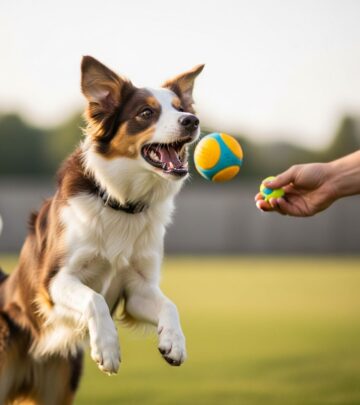
Mastering Loose Leash Walking for Dogs
Transform chaotic walks into enjoyable outings with proven techniques for teaching your dog to walk politely on a loose leash without pulling.
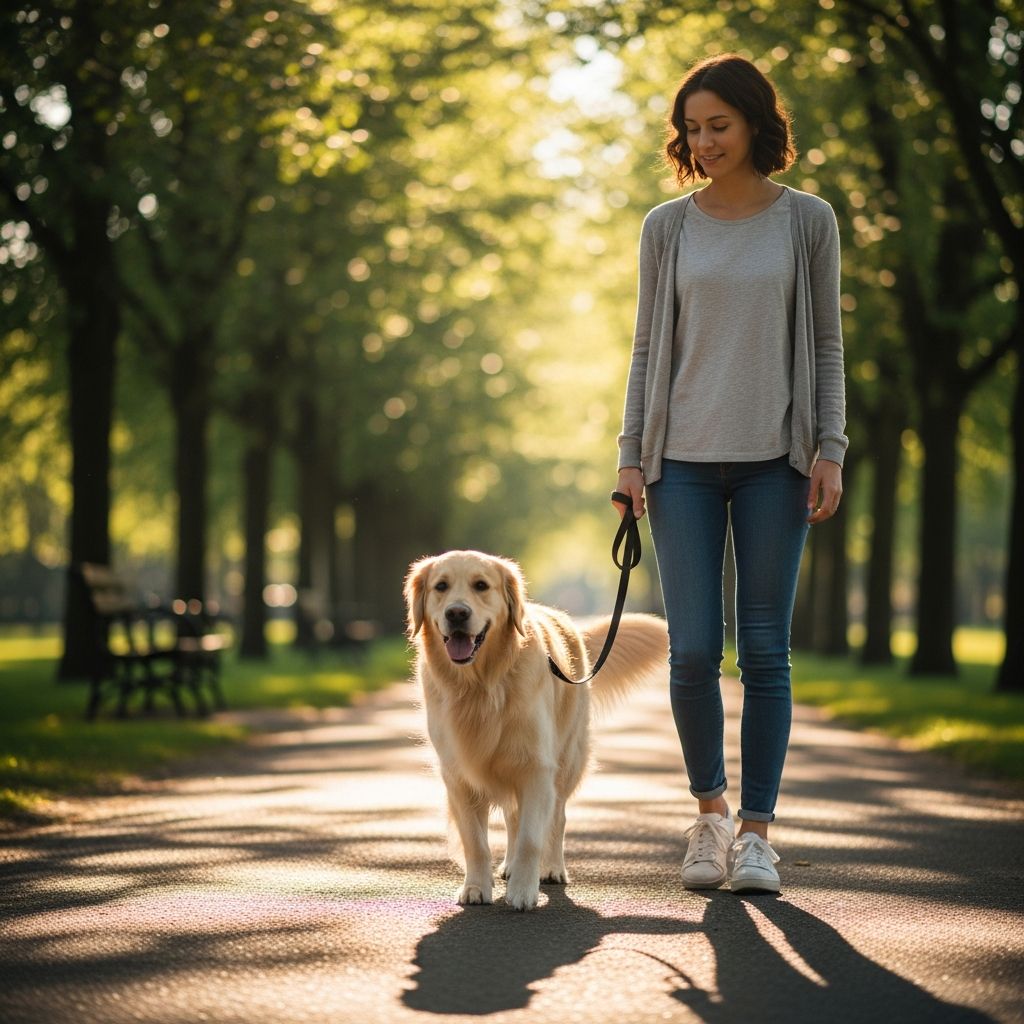
Walking a dog that pulls relentlessly on the leash turns what should be a relaxing activity into a battle of wills. Loose leash walking promotes safety for both pet and owner, reduces strain on necks and joints, and fosters a stronger relationship through positive experiences. This guide draws from established training principles to equip you with actionable steps, from foundational skills to real-world application.
Why Loose Leash Walking Matters
A loose leash means the lead hangs slack, with no tension pulling dog or handler forward. This prevents common issues like tracheal damage from collars or shoulder strain for owners. Dogs learn that pulling yields no progress, while calm positioning brings rewards and continued movement. Benefits extend to better focus during walks, fewer distractions, and enhanced overall obedience.
- Safety first: Reduces risk of falls, chases, or collisions.
- Health advantages: Avoids physical stress on dog’s throat or spine.
- Enjoyment boost: Turns walks into bonding time rather than frustration.
Essential Gear for Success
Selecting the right equipment sets the stage for effective training. Standard collars can worsen pulling by causing discomfort that dogs push through. Opt for humane alternatives that redirect without pain.
| Tool | Description | Best For |
|---|---|---|
| Front-Clip Harness | Attaches leash at chest front, turning dog toward you when pulling | Strong pullers; reduces effort by up to 98% |
| 6-Foot Leash | Standard length allows natural movement without excess slack | All dogs; promotes proper positioning |
| High-Value Treats | Small, soft pieces like cheese or chicken | Motivating rewards during sessions |
| Clicker | Precise marker for timing rewards accurately | Clicker-trained dogs; builds clear associations |
Start indoors or in low-distraction areas to build confidence before venturing out.
Building the Basics: Indoor Foundations
Before outdoor walks, teach core responses to leash cues in a controlled environment. Focus on voluntary check-ins and slack-leash habits.
Step 1: Teach Leash Slack Recognition
Attach the leash and stand still. When your dog moves to create slack, mark with a clicker or verbal “yes!” and deliver a treat near your left leg. Repeat until the dog consistently releases tension for rewards. This conditions the idea that slack equals good things.
Step 2: Encourage Eye Contact
With slack leash, reward voluntary glances at your face. Use an exciting noise if needed to prompt initial attention. Gradually fade prompts so check-ins become habitual. Toss treats briefly away then reward returns to reinforce coming back.
Step 3: Position Training
Lure the dog to your side with treats held at knee height. Mark and reward for staying close without tension. Practice short movements, turning away to encourage following.
Sessions should last 5-10 minutes, multiple times daily for quick progress.
Transitioning to Movement: On-the-Go Techniques
Once basics are solid, introduce walking. The goal: dog matches your pace with slack leash.
Red Light, Green Light Method
Place treats 4-5 feet ahead, out of reach. Advance only when leash is loose; stop instantly if tension appears. Reaching the treats teaches that pulling halts progress. Reward check-ins en route for added motivation.
U-Turn Drills
When forging ahead, cheerfully pivot 180 degrees before full tension. Call happily and reward catch-up at your side. This interrupts momentum and redirects focus.
Speed Variations
Alternate paces: slow, normal, brisk trots. Mark and treat for maintaining position during changes. Use a cue like “with me” for on-command heeling.
Incorporate stops: gather leash slightly as you slow, cueing attention. Reward sits or waits at curbs.
Advanced Skills for Real-World Walks
Distractions like squirrels or passersby test training. Layer in proofing gradually.
- Pre-teach cues: Teach “gather” (shorten leash smoothly) and “dip” (lower hands to slack) as signals to orient to you.
- Random rewards: Vary treat timing unpredictably to sustain engagement.
- Distance work: Practice in parks, rewarding slack from afar.
For stubborn pullers, combine tools like front-clip harnesses with these methods for rapid improvement.
Troubleshooting Common Challenges
Not all dogs progress linearly. Address setbacks methodically.
| Issue | Solution |
|---|---|
| Persistent pulling | Increase treat value; revert to indoors; ensure no reward for tension |
| Lunging at distractions | High-rate rewards for focus; U-turns; desensitize gradually |
| Lagging behind | Tempt with toys; shorten sessions; check for pain or fear |
| Over-excitement | Calming walks first; mat training pre-walk for settling |
Patience is key—expect weeks for habits to solidify, especially with rescues or adults.
Training Schedule and Progression
Structure practice for consistency:
- Weeks 1-2: Indoor basics, 3x daily.
- Weeks 3-4: Driveway/yard with Red Light/Green Light.
- Month 2: Neighborhood walks, add distractions.
- Ongoing: Maintenance rewards 1:10 steps.
Track progress in a journal to celebrate milestones.
FAQs
What age is best to start loose leash training?
Puppies as young as 8 weeks, but adults respond well too with consistent effort.
Can I use a retractable leash?
Avoid them; they encourage pulling by rewarding reach.
How long until my dog stops pulling entirely?
Typically 2-6 weeks with daily practice, varying by dog and method adherence.
What if my dog ignores treats outdoors?
Use higher value food like meat; train hunger times; pair with play.
Is a head halter necessary?
Not usually; harnesses suffice, but consult a pro for severe cases.
Conclusion: Enjoy the Walks You Deserve
Consistent application of these techniques transforms walks into highlights of the day. Stay positive, reward generously, and watch your dog thrive on a loose leash.
References
- How to Teach Loose-Leash Walking — Karen Pryor Clicker Training. Accessed 2026. https://clickertraining.com/loose-leash-walking/
- Training Tips: Loose Leash Walking — San Diego Humane Society. Accessed 2026. https://sdhumane.org/resources/training-tips-loose-leash-walking/
- To Teach Loose Leash Walking, Loosen the Leash — Kiki Yablon Dog Training. 2019-12-17. https://kikiyablondogtraining.com/kiki-blog/2019/12/17/loose-leash-walking-lessons
- Teaching Loose Leash Walking — Ontario SPCA. Accessed 2026. https://ontariospca.ca/blog/teaching-loose-leash-walking/
- Painless Loose Leash Walking For You and Your Dog — Leash and Learn NYC. Accessed 2026. https://leashandlearnnyc.com/painless-loose-leash-walking-for-you-and-your-dog-an-in-depth-guide/
Similar Articles








Read full bio of medha deb