Mastering Leave It: Dog Training Guide
Unlock impulse control in your dog with proven 'leave it' techniques for safety and obedience in any environment.
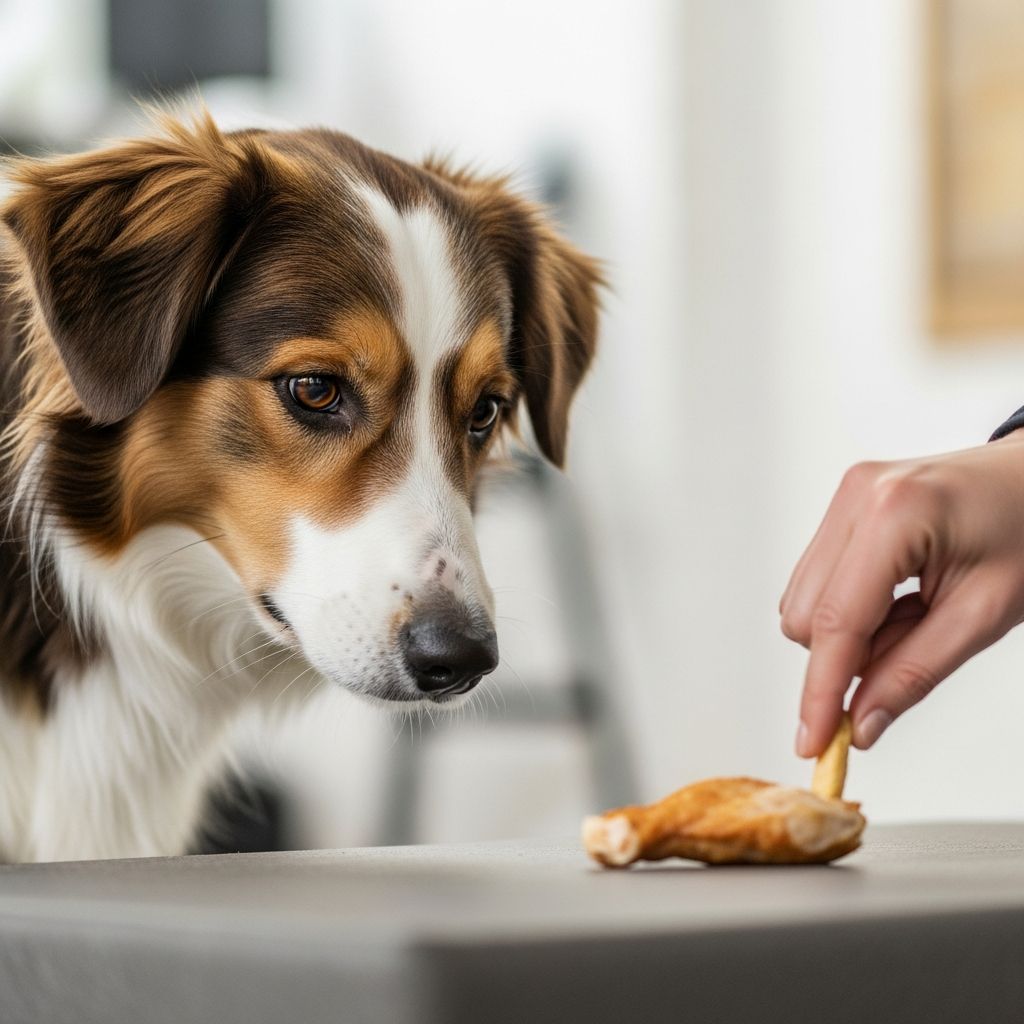
The ‘leave it’ command is a cornerstone of dog training, enabling dogs to ignore tempting items like food, toys, or hazards on the ground. This skill fosters impulse control, enhances safety during walks, and strengthens the bond between dog and owner through positive reinforcement. By teaching this cue systematically, dogs learn that ignoring distractions leads to better rewards, reducing risks such as ingesting toxic substances or dangerous objects.
Why Impulse Control Matters for Dogs
Dogs naturally explore their environment with their mouths, driven by curiosity and instinct. However, urban living introduces dangers like chicken bones, chemicals, or allergens that can cause serious health issues. A reliable ‘leave it’ command empowers owners to intervene effectively, preventing emergencies and promoting calmer behavior in distracting settings.
Research from animal behavior experts emphasizes that impulse control training improves overall obedience and reduces problem behaviors. It teaches dogs to defer gratification, looking to their handler for guidance rather than acting independently. This foundation supports advanced training like recall in high-distraction areas.
Foundational Principles of Leave It Training
Effective training relies on positive reinforcement, using high-value rewards to motivate disinterest in lower-value items. Key principles include:
- Two-Treat System: Pair low-value (less appealing) treats with high-value (irresistible) ones to demonstrate that compliance yields superior outcomes.
- Marker Signals: Use a clicker or verbal cue like ‘yes’ to precisely mark desired behaviors, followed by immediate rewards.
- Extinction Basics: Withhold access to the target item when the dog engages with it, teaching that persistence doesn’t pay off.
- Short Sessions: Limit training to 1-3 minutes to maintain engagement and prevent frustration.
Consistency across family members ensures the dog generalizes the cue universally. Avoid repeating the command, as this diminishes its impact; instead, enforce by managing the environment.
Step-by-Step Training Progression
Begin indoors with minimal distractions, progressing to challenging scenarios. Follow this structured approach for reliable results.
Phase 1: Handheld Temptation
Start with a closed fist containing a low-value treat. Allow your dog to sniff and paw at it without success.
- When the dog backs off or loses interest, mark with ‘yes’ or a clicker click and reward from your other hand with a high-value treat.
- Repeat until the dog anticipates rewards by pulling away quickly.
- Say ‘take it’ to release the original treat, reinforcing that compliance grants access.
Progress to an open palm: If the dog lunges, close your fist and wait. Reward only disinterest.
Phase 2: Grounded Items
Place a low-value treat on a flat surface and cover it with your hand. Encourage sniffing, then say ‘leave it’.
- Mark and reward with a high-value treat when sniffing stops.
- Gradually lift your hand, covering again if needed. Reward eye contact or turning away.
- Toss treats just out of reach on a leash; reward ignoring them.
A table summarizing progression:
| Phase | Setup | Reward Trigger | Goal |
|---|---|---|---|
| Hand Fist | Closed fist with treat | Dog stops trying | Basic disinterest |
| Open Palm | Treat visible in hand | Looks away | Controlled access |
| Covered Ground | Hand over floor treat | Stops sniffing | Ignore covered item |
| Uncovered Toss | Treat on floor/leash | No approach | Impulse resistance |
Phase 3: Introducing the Verbal Cue
Once ignoring is automatic, add ‘leave it’ before presenting the item. Use a leash to manage pulls, rewarding focus on you.
For rows of treats: Place several low-value items spaced apart. Walk past on leash, cueing ‘leave it’ and rewarding at each.
Phase 4: Real-World Application
Practice outdoors, starting with dropped leash. Incorporate walks, using ‘sit’ first if distractions overwhelm.
- Use medium-value items initially, escalating to high-temptation scenarios.
- Occasionally withhold release to teach permanence.
Advanced Techniques for Reliability
Build proofing by varying contexts:
- Distractions: Introduce pets or people, rewarding focus amid excitement. Leash prevents errors.
- Multiple Items: Line up temptations; reward traversing the entire row with jackpots like play sessions.
- Non-Food Targets: Apply to toys, sticks, or trash. Toss and cue ‘leave it’.
- Cue Timing: Deliver before the dog fixates, preventing rehearsal of bad habits.
Positive methods like orienting toward the handler before rewards create joyful responses, avoiding punishment.
Common Challenges and Fixes
| Challenge | Symptom | Solution |
|---|---|---|
| Persistent Lunging | Dog ignores cue | Revert to easier phase; increase reward value. |
| Leash Excitement | Pulls frantically | Desensitize leash first; train calm sits. |
| Outdoor Failures | Distracted outside | Gradual exposure; shorter distances. |
| Command Repetition | Owner nags | One cue only; manage environment. |
If progress stalls, shorten sessions and ensure high motivation. Track successes in a journal to monitor improvement.
Benefits Beyond Safety
A mastered ‘leave it’ extends to reactivity management, counter-conditioning fears, and competition obedience. It signals to dogs that owners control resources, boosting confidence and reducing anxiety-driven scavenging.
Frequently Asked Questions
How long does it take to teach ‘leave it’?
Most dogs grasp basics in 1-2 weeks with daily 5-minute sessions, but mastery requires months of proofing.
Can puppies learn this command?
Yes, start as early as 8 weeks, using soft treats suitable for tiny mouths.
What if my dog is food-obsessed?
Use ultra-high-value rewards like meat or cheese; train hungry but not starved.
Does it work for aggressive tendencies?
It aids impulse control but consult a professional behaviorist for aggression.
Should I use a clicker?
Clickers provide precise timing; verbal markers work too for beginners.
Long-Term Maintenance
Randomize practice to prevent fading. Praise lavishly for real-world successes, reinforcing the cue’s value. Integrate into daily routines like meals or walks for lifelong reliability.
Teaching ‘leave it’ transforms walks into safe adventures, minimizing vet visits and enhancing enjoyment. Patience and positivity yield a responsive, secure companion.
References
- Leave It Command: Training Your Dog to Ignore Food and Other Items — American Kennel Club. 2023-05-15. https://www.akc.org/expert-advice/training/learning-the-leave-it-command/
- How to Teach a Dog to Leave It — Purina. 2024-02-10. https://www.purina.com/articles/dog/behavior/training/how-to-teach-dog-leave-it
- How to Teach a Dog to ‘Leave It’ — Best Friends Animal Society. 2023-11-20. https://bestfriends.org/pet-care-resources/how-teach-dog-leave-it
- Leave it – Better than Before — The Dog Behavior Institute. 2024-01-08. https://www.thedogbehaviorinstitute.com/the-dbi-blog/leave-it-better-than-how-it-started
Similar Articles







Read full bio of medha deb