

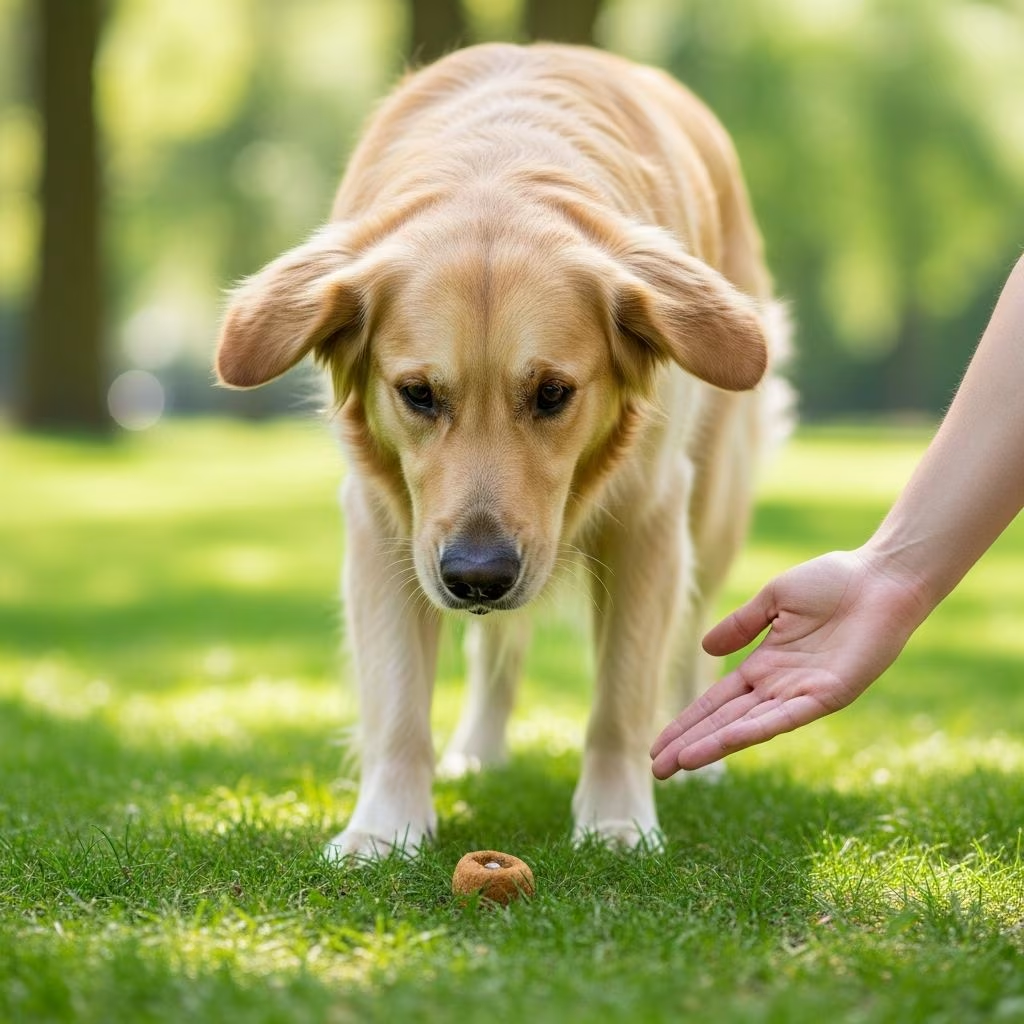
The leave it command stands as a cornerstone of effective dog training, empowering owners to redirect their pets from potentially dangerous or unwanted items. This skill fosters impulse control, promotes safety during walks, and strengthens the bond between dog and owner by teaching reliance on handler guidance rather than independent decisions.
Why Impulse Control Matters for Your Dog’s Safety
Dogs explore the world through their noses and mouths, often leading them to ingest harmful substances like toxic foods, garbage, or sharp objects. A well-trained leave it response acts as an immediate circuit breaker, halting instinctual pursuits such as chasing wildlife or snatching dropped edibles. Research from canine behavior experts highlights that consistent training in this area reduces risks associated with scavenging, which can cause gastrointestinal issues or poisoning.
Beyond physical safety, this command enhances overall obedience. It transitions dogs from reactive behaviors to attentive focus on their owners, making public outings more enjoyable. For high-energy breeds or puppies, mastering leave it builds foundational self-discipline, setting the stage for advanced commands like recall amid distractions.
Essential Tools and Preparation Before Training
Success begins with the right setup. Gather high-value treats (e.g., small pieces of chicken or cheese) that outrank everyday kibble, a short leash (4-6 feet), and low- to medium-value items like kibble or a favorite toy. Choose a quiet, low-distraction indoor space initially to build confidence.
- High-value rewards: Reserve these for correct responses to motivate disengagement.
- Leash control: Prevents self-rewarding by accessing forbidden items.
- Marker signal: Use a clicker or word like “yes” to precisely time rewards.
Desensitize your dog to the leash if it triggers excessive excitement, practicing calm handling sessions beforehand.
Building the Foundation: Hand-Based Exercises
Start with closed-hand techniques to teach the core concept of ignoring temptation for better rewards.
- Closed fist introduction: Hold a low-value treat in your closed fist. Allow your dog to sniff, paw, or lick without success. The moment they back off voluntarily, mark with “yes” and reward from your other hand with a superior treat. Repeat until they quickly ignore the fist.
- Open palm progression: Place the treat in your open hand. If they lunge, close your fist and wait. Reward ignoring behavior immediately. This reinforces that patience yields access.
- Adding the cue: Once reliable, say “leave it” just before presenting the treat. Mark and reward non-engagement. Practice 5-10 reps per session, keeping it positive.
Sessions should last 5-10 minutes, 2-3 times daily, to maintain engagement without fatigue.
Transitioning to Floor Drops and Movement
With hand exercises solid, advance to ground level simulations of real-world scenarios.
| Step | Description | Tips for Success |
|---|---|---|
| 1. Static floor treat | Drop a low-value treat nearby while saying “leave it.” Cover it if approached; reward focus on you. | Use leash to block access. Reward from hand, never the dropped item. |
| 2. Tossed items | Toss treat ahead on leash, cue “leave it.” Stand firm if pulling occurs; praise return of attention. | Say cue once only. Gradually increase toss distance. |
| 3. Row of temptations | Line low-value treats feet apart. Walk past on leash, cueing at each; reward heavily for compliance. | Start with singles, build to full row. Cover with foot if needed. |
These steps mimic scavenging opportunities, teaching dogs that ground items are off-limits unless released.
Proofing with Real-Life Distractions
Indoor mastery paves the way for outdoor application. Begin in your yard, then progress to sidewalks.
- Environmental challenges: Practice near smells or containers with treats inside (poke air holes in a lidded box for sniffing temptation).
- Social distractions: Introduce at a distance from other dogs or people. Cue “leave it” upon notice; reward prompt refocus. Shorten distance gradually.
- Variable rewards: Sometimes release to the item, other times withhold, to prevent expectation of always getting it.
Train in diverse locations—park, street, home—to generalize the cue. If failure occurs, revert to easier setups without repeating the cue, preserving its potency.
Common Challenges and Troubleshooting
Owners often face hurdles; proactive solutions keep progress steady.
| Challenge | Solution |
|---|---|
| Dog ignores cue | Reduce temptation value or distance; ensure rewards are irresistible. Backtrack steps. |
| Pulling on leash | Stand still, wait for slack. Practice sit first to refocus. |
| High excitement outdoors | Prime with easier commands like sit; train during low-energy times. |
| Self-rewarding grabs | Use longer leash initially, then drop it; intervene swiftly. |
Patience is key—most dogs need 1-4 weeks for reliability, varying by age, breed, and prior training.
Advanced Applications and Integration
A proficient leave it extends to reactivity management, such as ignoring cyclists or small animals. Pair with recall for off-leash safety: cue leave it to disengage, then call back. Integrate into daily routines, like mealtimes or play, for reinforcement.
For multi-dog homes, train individually before group sessions. Positive reinforcement remains paramount—punishment erodes trust and focus.
Benefits for Long-Term Behavior
Consistent practice yields a dog that defers to you instinctively, reducing stress during outings. Owners report fewer vet visits from ingestions and calmer public interactions. This command underpins emergency control, potentially life-saving in traffic or toxin encounters.
Frequently Asked Questions (FAQs)
At what age can I start teaching leave it?
Puppies as young as 8 weeks respond well, but adults learn quickly too. Tailor treat value to motivation levels.
How often should I practice?
Short, daily sessions outperform lengthy ones. Aim for integration into walks for natural repetition.
What if my dog is food-obsessed?
Use toys or play as alternative rewards initially, then phase in food. High drive demands premium motivators.
Can leave it help with leash reactivity?
Yes, cue upon noticing triggers to redirect focus, gradually desensitizing responses.
Should I use a clicker?
Optional but effective for precise marking. Verbal “yes” works similarly.
Final Tips for Lasting Success
Consistency across family members prevents confusion. Fade treats over time, relying on praise. Celebrate milestones with special play to associate obedience with joy. With dedication, leave it becomes second nature, transforming walks and interactions.
References
- How to Teach Your Dog the ‘Leave It’ Command — American Kennel Club. 2023-05-15. https://www.akc.org/expert-advice/training/learning-the-leave-it-command/
- Dog Training: How to Teach a Dog to Leave It — Purina US. 2024-02-10. https://www.purina.com/articles/dog/behavior/training/how-to-teach-dog-leave-it
- “Leave It”: A Critical Command to Teach Your Dog — Happy Hounds Dog Training. 2023-11-20. https://happyhoundsdogtraining.ca/leave-it-a-critical-command-to-teach-your-dog/
- How to Train Your Dog to LEAVE IT: Complete Beginner’s Guide — YouTube (Training Video). 2022-08-12. https://www.youtube.com/watch?v=umt0jF9MHeI



