

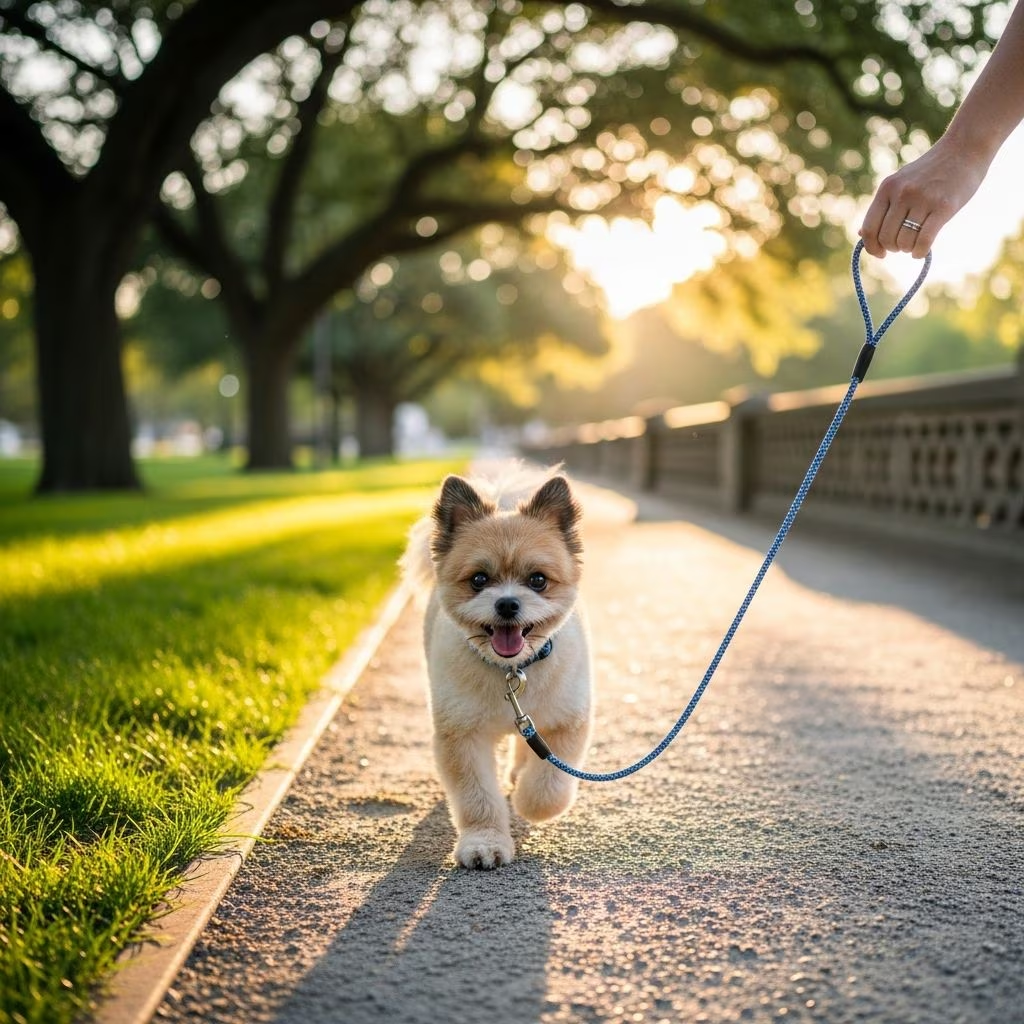
Walking a small dog requires tailored approaches that account for their size, energy levels, and unique behavioral tendencies. Proper leash training not only promotes physical health but also strengthens the bond between owner and pet while curbing issues like pulling or fearfulness.
Why Regular Walks Matter for Small Breeds
Small dogs, despite their compact stature, thrive on daily outings that provide both exercise and mental engagement. A modest routine of two 15-minute walks can ward off obesity, support joint health, and mitigate heart-related concerns. Brisk strolls around the block introduce sensory stimulation, reducing boredom-induced mischief such as excessive barking or destructive chewing.
Physically, these sessions build muscle tone and improve cardiovascular function, crucial for breeds prone to patellar luxation or tracheal collapse. Mentally, exploration curbs hyperactivity and fosters confidence, countering the overprotectiveness often seen in tiny companions. Owners report calmer home behaviors post-walk, attributing it to expended energy and positive environmental exposure.
Selecting the Right Gear for Comfort and Control
Choosing appropriate equipment is foundational for successful walks. Front-clip harnesses excel by redirecting pulling toward the owner, granting better leverage without straining delicate necks. Avoid collars on small dogs, as constant tension risks injury to their fragile tracheas.
- Harness Recommendations: Opt for adjustable, padded models fitting snugly without restricting movement.
- Leash Choices: 4-6 foot standard leashes promote loose walking; retractables suit open areas but demand training first.
- Weather Adaptations: Lightweight coats for chilly days or booties for hot pavement protect paws.
For very short-legged breeds like Corgis or Dachshunds, prioritize gear allowing natural gait. Test fits at home: two fingers should slip under straps, ensuring breathability during exertion.
Building a Strong Foundation Indoors
Commence training in distraction-free zones like your living room to instill core habits. Focus on attention first: reward eye contact with a marker word like “yes” followed by treats at thigh level, reinforcing proximity without bending.
Practice positioning by your preferred side (left for tradition, but flexible). Hold the leash in the opposite hand, delivering rewards near your leg to guide the dog into heel position. Gradually introduce motion: take one step, mark correct alignment, treat promptly. Progress to turns and speed variations, always resetting in low-stakes settings.
| Training Stage | Goal | Duration | Treat Type |
|---|---|---|---|
| Attention Building | Eye Contact | 5 mins | High-value (chicken) |
| Positioning | Heel at Side | 10 mins | Soft kibble |
| Movement Intro | Follow Steps | 15 mins | Mixed rewards |
Consistency across sessions builds muscle memory. Sessions under 15 minutes prevent fatigue in puppies or seniors.
Innovative Reward Methods for Tiny Pups
Delivering treats to low-slung dogs poses ergonomic challenges for owners. Squatting repeatedly strains backs, while imprecise tosses encourage jumping. A clever alternative: carry a wooden spoon dipped in wet food from a silicone pouch. Offer licks at comfortable heights, maintaining flow without halting.
This method sustains motivation during extended walks, ideal for food-driven small breeds. Alternate with verbal praise or toys for variety, ensuring rewards match effort levels. For pullers, reserve highest values for slack-leash moments, creating clear incentives.
Addressing Pulling with Proven Techniques
Pulling stems from excitement or poor habits, but small dogs amplify frustration due to their tenacity. Employ positive interruption: when tension builds, plant feet like a “rock,” awaiting slack before resuming. This teaches that forward progress demands looseness.
Alternative: abrupt 180-degree turns redirect energy, marking catch-ups with treats. Pre-walk exercise via fetch or puzzle toys expends zoomies, priming focus. Avoid yanking—small frames can’t counter heavy corrections effectively.
- Spot tension early via leash feedback.
- Implement stop or pivot immediately.
- Reward reconnection swiftly.
- Gradually extend slack tolerance.
Progressing to Real-World Challenges
Transition outdoors incrementally: driveway to sidewalk, then busier streets. Loosen criteria in novel settings—accept wider arcs initially, tightening as proficiency grows. Introduce cues like “heel” or “let’s go” just before desired behavior for reliability.
Handle distractions: squirrels prompt “watch” cues, reinforced by treats. Multi-dog households benefit from parallel walks, preventing rivalry. Track progress in a journal: note pull frequency, duration, to celebrate milestones.
Tailoring Walks to Breed-Specific Needs
Not all small dogs equate. brachycephalic types (Pugs, Frenchies) overheat rapidly, capping sessions at 10 minutes in warmth. Long-backed Dachshunds demand even terrain to spare spines. High-energy Jack Russells crave 30+ minutes, split for stamina.
- Pugs/Bulldogs: Early morning or evening; hydration stations.
- Chihuahuas: Layered clothing; gradual socialization.
- Terriers: Incorporate sniffing breaks for mental fatigue.
Monitor vitals: gums pink and moist, breathing steady. Consult vets for personalized baselines.
Common Pitfalls and How to Avoid Them
Over-rewarding invites dependency; fade treats to intermittent schedules. Ignoring weather risks paw burns or chills—paw wax and jackets mitigate. Skipping warm-ups leads to stiffness; gentle home play preps joints.
For reactive small dogs, distance from triggers preserves calm. Patience reigns: full mastery spans weeks to months, varying by age and history. Persistence yields pollution-free strolls.
Enhancing Walks with Mental Enrichment
Beyond steps, integrate scent games: scatter kibble trails or hide treats curbside. Agility elements like low hurdles build coordination. Group walks with calm peers model manners, under supervision.
Post-walk decompression with chews reinforces routine positivity. Track health metrics: weight stability, coat shine, as walk byproducts.
Frequently Asked Questions
How often should I walk my small dog?
Aim for 30 minutes total daily, split into shorter bouts to match stamina and prevent strain.
What if my dog refuses to walk?
Tempt with favorite toys or treats; carry briefly then set down in engaging spots. Rule out medical issues first.
Is a harness better than a collar for small dogs?
Yes, harnesses distribute pressure safely, ideal for leash training and fragile builds.
How do I stop leash biting?
Redirect to toys; freeze motion until release, rewarding calm holds.
Can puppies start leash training?
Yes, from 8 weeks indoors; vaccinate before public areas.
Long-Term Benefits of Consistent Training
Dedicated owners enjoy leash-polite companions, fostering outdoor adventures sans stress. Enhanced fitness translates to longevity, with studies linking exercise to fewer age-related ailments. Mutual trust deepens, positioning walks as cherished rituals.
References
- Ask Crystal: Leash Walking Training Tips — Blue Ridge Humane Society. 2023-05-15. https://www.blueridgehumane.org/leash-walking-training-tips/
- Leash Training Tip for Small Dogs — Happy Hounds Dog Training. 2022-08-10. https://happyhoundsdogtraining.ca/leash-training-tip-for-small-dogs/
- Tips for Walking Small Dogs — PetPlace.com. 2024-03-22. https://www.petplace.com/article/dogs/pet-behavior-training/tips-for-walking-small-dogs
- Leash Training 101: Tips for Walking Your Small Dog — Precious Petite Pups. 2023-11-07. https://preciouspetitepups.com/blog/leash-training-101-tips-for-walking-your-small-dog
- Small Dog Loose Leash Walking — Beckman’s Dog Training (YouTube). 2021-05-24. https://www.youtube.com/watch?v=g_xjbfbUJec



