

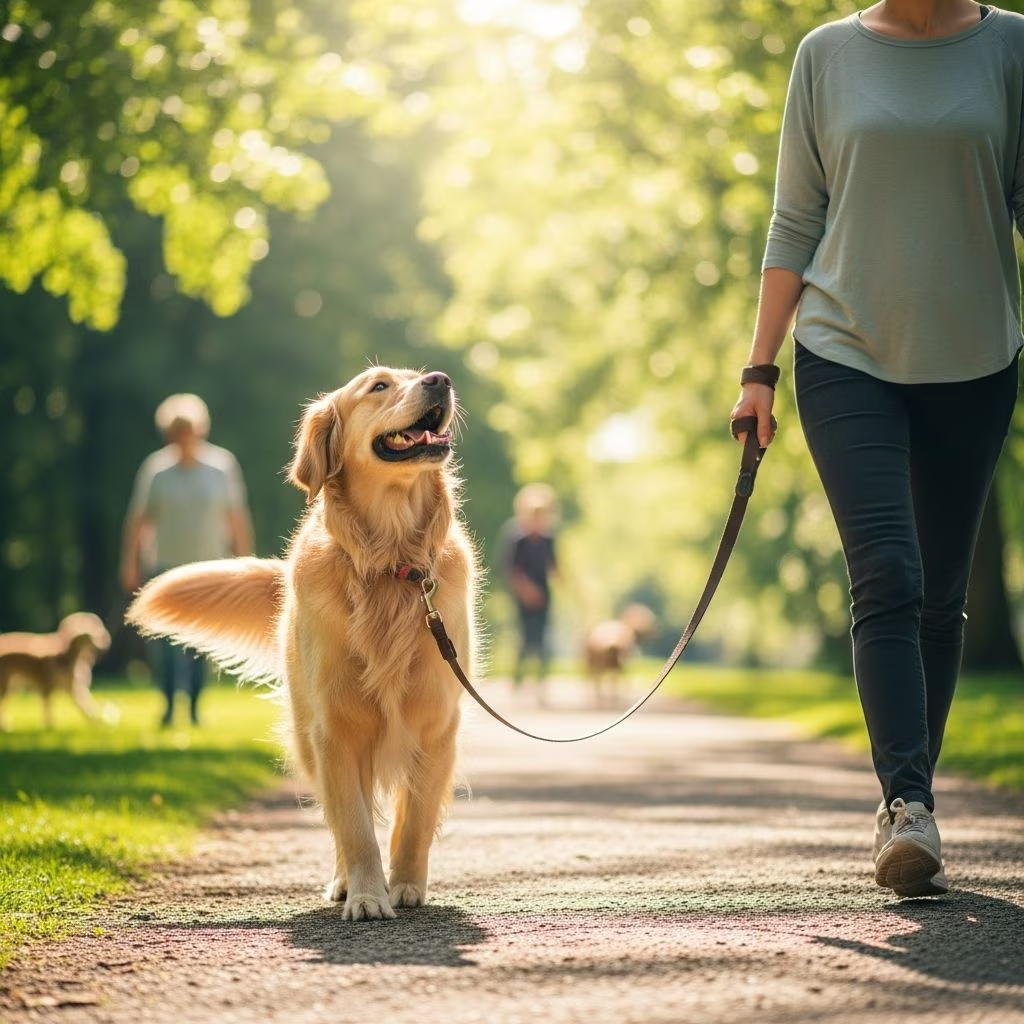
Leash pulling turns what should be a relaxing daily ritual into a frustrating tug-of-war. Many dog owners face this challenge, but with targeted understanding and consistent methods, you can teach your dog to walk politely by your side. This guide draws from established canine behavior principles to provide a complete roadmap for success.
Unraveling the Reasons Behind Leash Pulling
Dogs pull for varied reasons rooted in biology, environment, and learned habits. Recognizing these triggers is the foundation of effective correction.
- Instinctual Responses: Dogs often exhibit an opposition reflex, where pressure on the leash prompts them to lean into it harder. This natural reaction, not rebellion, stems from survival instincts.
- Environmental Excitement: Sights, sounds, and scents overwhelm dogs, spiking arousal and causing them to forge ahead to investigate.
- Owner Influences: Tension from the handler, inconsistent cues, or emotional stress transmits down the leash, amplifying the issue.
- Physical Factors: Ill-fitting gear or underlying pain can make dogs pull to escape discomfort.
- Developmental Stages: Puppies and adolescents test boundaries with surges of energy, exacerbating pulling.
Addressing pulling requires pinpointing your dog’s specific motivations rather than applying generic fixes.
Selecting the Right Gear for Success
Equipment plays a pivotal role in training. The wrong tools reinforce bad habits, while proper ones support learning.
| Equipment Type | Pros | Cons | Best For |
|---|---|---|---|
| Front-Clip Harness | Redirects pulling naturally; reduces strain on neck | May need adjustment period | Most dogs, especially pullers |
| Head Halter | Offers head control like a horse halter | Some resistance initially | Strong pullers after acclimation |
| Flat Collar | Simple for well-trained dogs | Can cause neck injury if misused | Low-distraction walks only |
| Back-Clip Harness | Comfortable for casual use | Allows more pulling leverage | Non-pullers or with training |
Avoid punitive devices like prong or choke collars, as they risk injury and heighten reactivity. Start with a snug fit: two fingers between gear and skin.
Core Training Principles for Loose Leash Manners
Positive reinforcement—rewarding desired actions—outperforms punishment. Key rules include:
- Never advance if the leash tightens; stand still until slack returns.
- Reward immediately with treats or praise for heel position.
- Maintain a brisk pace to match canine energy levels.
- Use direction changes to regain attention without force.
Practice in low-distraction zones first, graduating to busier areas as proficiency grows.
Step-by-Step Training Program
Phase 1: Build Foundations at Home
Begin indoors. Lure your dog into heel position with high-value treats, marking success with a clicker or word like “Yes!” Reward generously. Introduce gentle leash pressure: apply slight tension and reward yielding toward you. Sessions last 5-10 minutes, multiple times daily.
Phase 2: Master Direction Changes
Once basic heeling clicks, step outdoors. When pulling starts, pivot abruptly and walk briskly the opposite way. A soft leash pop—quick nudge, not yank—can clarify if needed, followed by praise upon return. Repeat until your dog anticipates turns.
Phase 3: Add Real-World Challenges
Incorporate desensitization: expose gradually to triggers like other dogs or traffic. Use “Let’s Go!” cue for luring out of fixation, rewarding focus on you. Build duration: aim for 10-20 loose-leash minutes before treats.
Phase 4: Refine and Maintain
Transition to variable rewards for reliability. Incorporate games like emergency U-turns. Consistency across household members prevents confusion.
Expect 2-6 weeks for noticeable change, depending on age and history. Older dogs respond well with patience.
Common Roadblocks and Fixes
Training hitches are normal. Here’s a troubleshooting guide:
- Dog Ignores Cues: Increase treat value; reduce distractions.
- Regression in New Places: Revert to prior phase; add management like longer leads.
- Handler Frustration: Breathe deeply; end on positive note. Seek pro help if stressed.
- High Prey Drive: Train impulse control separately with toys.
Pre-walk exercise burns energy, easing focus.
Health and Safety Considerations
Pulling endangers all: humans risk falls (injuries quadrupled 2001-2020), dogs face neck strain or tracheal damage. Rule out medical issues via vet check. Regular training fosters bonding and prevents reactivity.
Advanced Techniques for Stubborn Cases
For persistent pullers:
- Pressure-Release Method: Hold mild tension until dog moves toward it, then release. Gentler for sensitive pups.
- Threshold Training: Work below arousal limits, slowly increasing exposure.
- Professional Input: Certified trainers tailor plans, especially for fear-based pulling.
FAQs: Your Leash Training Questions Answered
Can any dog learn loose-leash walking?
Yes, all ages and breeds can improve with positive methods and consistency.
How long until results?
Weeks to months; daily short sessions yield fastest gains.
Is a harness better than a collar?
Front-clip harnesses excel for pullers, minimizing injury.
What if my dog lunges at others?
Combine counter-conditioning: pair triggers with rewards at distance.
Should I use treats forever?
Fade to intermittent rewards, using life rewards like walk continuation.
Long-Term Benefits of Polite Walks
Mastered leash skills enhance exercise, socialization, and owner-dog connection. Walks become adventures, not battles, promoting healthier, happier lives.
References
- Why Dogs Pull: Root Causes & Solutions — Dog Owners Academy. 2023. https://www.dogownersacademy.com/why-dogs-pull-on-leash/
- How To Stop Your Dog From Pulling On Leash – Part 2 — The Thriving Canine / Chad Culp. 2022-10-15. https://www.thrivingcanine.com/blog/how-stop-your-dog-pulling-leash-part-2/
- Stop a Dog From Pulling on Leash — Best Friends Animal Society. 2024. https://bestfriends.org/pet-care-resources/how-stop-dog-pulling-leash
- How to Stop Your Dog From Pulling on Leash — American Kennel Club (AKC). 2025-01-10. https://www.akc.org/expert-advice/training/expert-tips-dog-leash-issues/
- How To ACTUALLY Fix Pulling On Leash! — Kayl McCann (YouTube). 2024-05-20. https://www.youtube.com/watch?v=7xeMOQ6-c5E



