

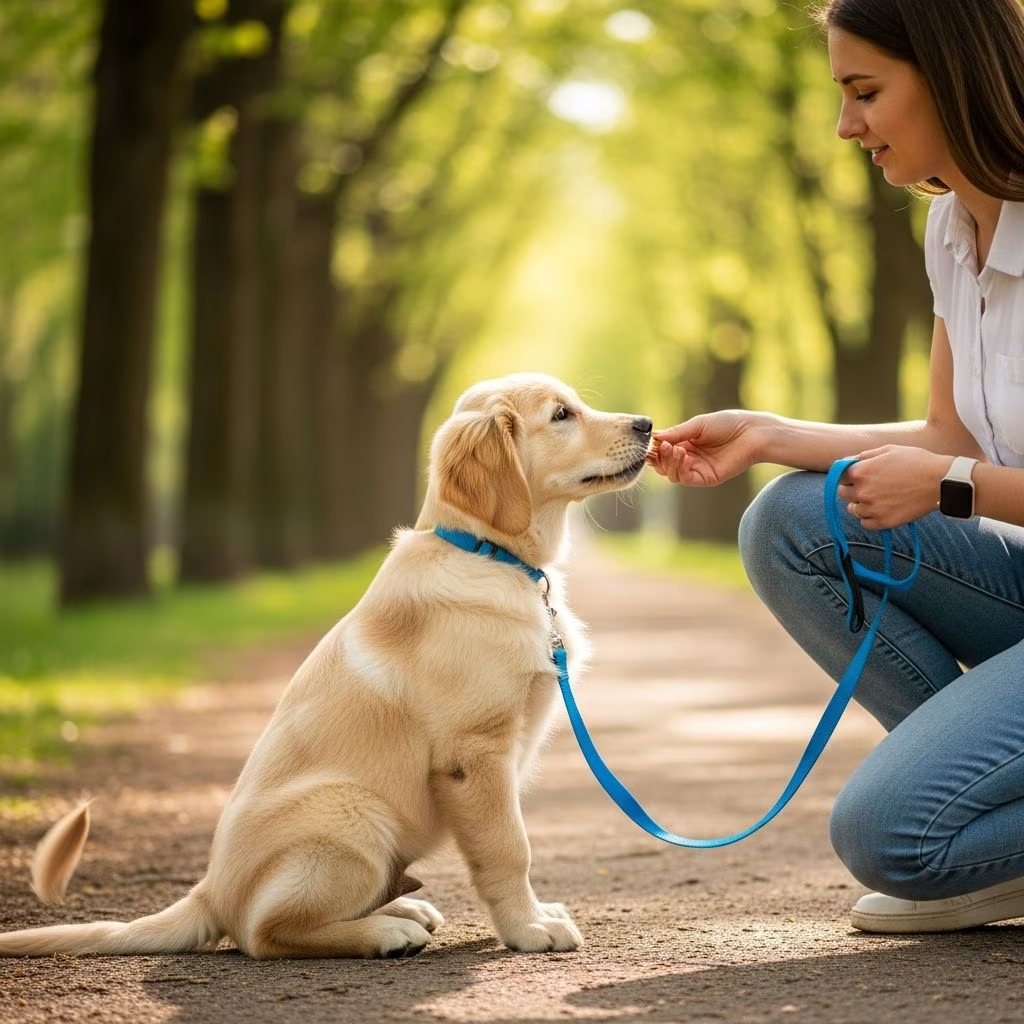
Leash training transforms energetic puppies into well-mannered walking companions, fostering safety and strengthening the human-canine bond. This process requires patience, consistency, and positive methods to ensure enjoyable outings for both puppy and owner.
Why Leash Training Matters from Day One
Beginning leash training early prevents ingrained bad habits like pulling or bolting, which can lead to frustration and injury. Proper training promotes physical exercise, mental stimulation, and socialization while keeping puppies secure in busy environments. Experts emphasize starting indoors to build confidence before venturing outside.
Puppies naturally explore with curiosity, but without guidance, walks become tug-of-war sessions. Structured training teaches them to walk calmly beside you, reducing risks from traffic or other animals. Consistent practice yields a puppy eager for daily strolls, enhancing overall obedience and happiness.
Gathering the Right Equipment for Success
Selecting appropriate gear sets the foundation for effective training. A well-fitted, non-tightening collar or harness distributes pressure evenly, avoiding discomfort. Pair it with a sturdy, lightweight leash—six feet standard for control without restriction.
- Collars: Flat buckle collars for most breeds; martingales for pullers.
- Harnesses: Front-clip models redirect pulling naturally.
- Leashes: Nylon or leather; avoid retractables initially to maintain focus.
- Treats and Toys: High-value rewards like small soft treats or favorite chew toys.
- Clicker (optional): For precise positive reinforcement timing.
Fit matters: Two fingers should slip under collar or harness. Introduce items gradually with play to create positive associations.
Step-by-Step Indoor Introduction to Gear
Desensitization prevents fear or resistance. Begin in a quiet room, letting your puppy sniff the collar or harness while offering treats. Fasten it briefly, praising calmly, then remove after seconds. Gradually extend wear time during play.
- Day 1-2: Collar/harness on for 5-10 minutes, multiple sessions.
- Day 3: Attach leash, allow supervised dragging indoors—no holding.
- Day 4+: Call puppy happily, reward approach with treats.
Supervise closely to prevent tangling. If puppy paws at gear, distract with toys. Sessions last 5-10 minutes to match short attention spans.
Building Loose Leash Walking Skills Inside
Once comfortable, teach walking cues. Use a marker like a clicker or “yes” followed by treats. In a distraction-free space, say your cue, reward eye contact or approach.
Progress to movement: Back up slowly, encouraging follow with treats. Reward position beside your left leg—traditional for consistency. Keep leash slack; tension teaches pulling.
| Training Phase | Goal | Duration | Tips |
|---|---|---|---|
| Attention Cue | Puppy looks at you | 3-5 min | Use high-value treats |
| Follow Motion | Walks 5-10 steps | 5-10 min | Change directions randomly |
| Positioning | Stays at left side | 10 min | Praise verbal + treats |
End sessions positively, before fatigue sets in.
Transitioning to Outdoor Adventures
Mastery indoors paves way for outdoors. Start in low-distraction yards, using familiar routes. Carry puppy to start if needed, rewarding calm walking home.
Gradually extend: Repeat short loops, building to blocks. Introduce “heel” command—puppy matches your pace at side. Shorten sessions if overwhelmed, always rewarding desired behavior.
Correcting Common Leash Training Challenges
Handling Pulling and Lunging
Pulling signals excitement or distraction. Become a “tree”: Stop motion until slack returns, then resume with praise. Turn 180 degrees away from pull direction to redirect.
For lunging at triggers (dogs, skaters), create distance, reward focus on you. Use counter-conditioning: Pair sight with treats before reaction.
Stopping Leash Biting and Chewing
Biting stems from play drive or anxiety. Before walks, show leash calmly, reward sit. During, redirect to toys; freeze motion if persistent.
Addressing Fear or Resistance
Fearful puppies need slower pacing. Revert indoors, use extra praise. Avoid force—patience rebuilds trust.
Advanced Techniques for Polished Walks
Incorporate variable rewards: Random treats maintain engagement. Practice U-turns, speed changes for control. Long-line leashes aid off-leash transition practice safely.
Neighborhood routines reduce novelty overload. Clicker training sharpens: Walk, click at side position, treat instantly.
Health and Safety Considerations
Puppies under 16 weeks benefit from short walks to protect developing joints—five minutes per month of age, twice daily max. Monitor weather; avoid extremes.
Consult vets for breed-specific needs. Hydration, paw checks post-walk ensure well-being.
FAQ: Puppy Leash Training Essentials
How long until my puppy walks nicely on a leash?
Typically 2-6 weeks with daily 10-minute sessions, varying by age, breed, and consistency.
What if my puppy sits and refuses to move?
Use happy voice, treats, or toys to lure. Avoid pulling; squat to their level.
Is a harness better than a collar for training?
Harnesses prevent neck strain, ideal for pullers; collars suit calm puppies.
Can older puppies or dogs be leash trained?
Yes, same methods apply—patience required for established habits.
How do I train during high-distraction areas?
Start low-distraction, gradually increase; high-value rewards essential.
Troubleshooting Table: Quick Fixes
| Issue | Symptoms | Solution |
|---|---|---|
| Pulling | Leash taut ahead | Stop/turn; reward slack |
| Biting Leash | Chews/mouths lead | Redirect toy; pause walk |
| Lunging | Sudden forward surge | Increase distance; treats |
| Ignoring Commands | No response outdoors | Revert indoors; higher rewards |
References
- Learn How to Leash Train Your Puppy — Purina. 2023. https://www.purina.com/articles/dog/puppy/training/leash-training-your-puppy
- How to train your puppy to walk on a leash — Eukanuba. 2024. https://www.eukanuba.com/au/articles/training/a-guide-to-teaching-your-puppy-to-walk-on-a-lead
- How to Train a Dog or Puppy to Walk on a Leash — American Kennel Club (AKC). 2025-01-15. https://www.akc.org/expert-advice/training/teach-puppy-walk-leash/
- Leash Training a Puppy: A Simple Guide to Loose Leash Walking — Halo Collar. 2024. https://www.halocollar.com/blog/dog-training/leash-training-a-puppy-a-simple-guide/
- Pet Nutrition and Health Guidelines for Puppies — American Veterinary Medical Association (AVMA). 2024-06-10. https://www.avma.org/resources-tools/pet-owners/petcare/puppy-care



