

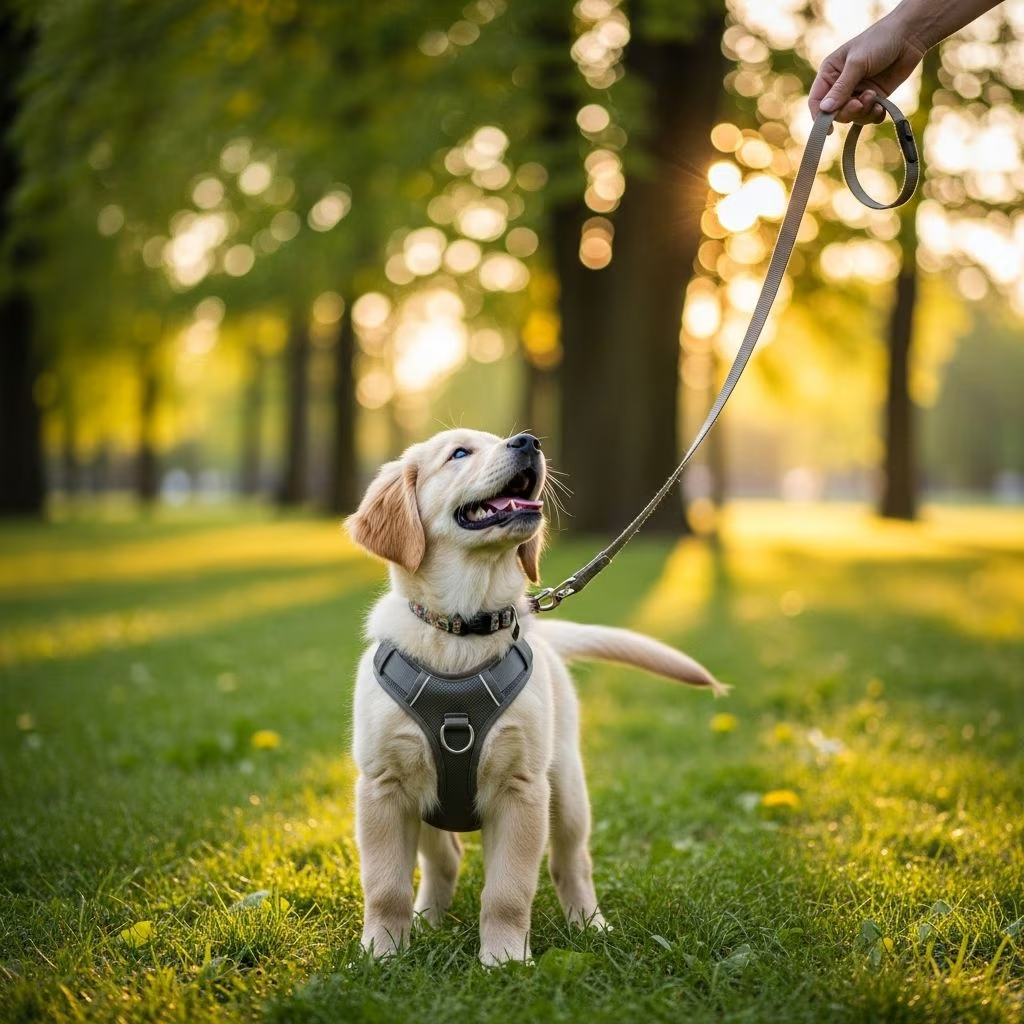
Leash training transforms chaotic puppy walks into harmonious adventures, fostering a stronger bond while ensuring safety. Starting early with positive methods helps puppies learn to walk politely beside you, reducing pulling and enhancing focus amid distractions.
Why Leash Training Matters Early On
Introducing leash skills during puppyhood prevents ingrained bad habits like lunging or constant tugging, which can strain both physical health and your relationship. Puppies naturally explore with curiosity, but without guidance, this leads to frustration on walks. Consistent training builds confidence, teaches impulse control, and prepares them for real-world stimuli like traffic or other dogs.
Benefits extend beyond convenience: well-trained puppies exercise properly without injury risk, socialize better, and respond reliably to commands. Experts emphasize short, rewarding sessions to match short attention spans, turning training into play.
Selecting the Right Gear for Success
Proper equipment sets the foundation. Opt for a flat, non-tightening collar or adjustable harness fitted snugly—two fingers should slip underneath. Harnesses distribute pressure evenly, ideal for small or growing breeds to avoid neck strain.
Choose a 4-6 foot fixed-length leash made of durable nylon or leather; avoid retractables initially as they encourage pulling by rewarding distance. Long lines (15-30 feet) aid later outdoor practice for recall without full freedom.
| Gear Type | Best For | Pros | Cons |
|---|---|---|---|
| Flat Collar | Calm, non-pullers | Simple, inexpensive | May choke if pulled |
| Harness | Puppies, pullers | Chest control, safe | Needs proper fit |
| Fixed Leash | All training | Clear boundaries | Less freedom |
| Long Line | Advanced practice | Builds recall | Requires space |
Step-by-Step Introduction to Collar and Leash
Begin indoors to minimize stress. Day one: Place the collar or harness on for minutes while offering treats and play. Praise calmly to associate gear with positivity.
- Monitor for rubbing; adjust fit immediately.
- Remove if puppy panics, retry later with smaller sessions.
- Pair with meals: Feed through collar rings to build positive links.
Next, clip the leash loosely. Let puppy drag it supervised for 5-10 minutes daily, intervening only if tangled. No pulling—patience prevents fear.
Building Indoor Walking Foundations
Once comfortable, teach following. Hold a treat or toy at nose level in your left hand (traditional heel side). Lure forward a few steps, rewarding position.
Progress to commands: Use a cue like “let’s go” before moving. Stop if puppy forges ahead, resuming only on slack leash. Sessions last 5 minutes, 3-4 times daily.
- Practice turns: Change direction abruptly, rewarding heel returns.
- Incorporate sits: Halt and cue “sit” for auto-stops.
- Vary pace: Slow, fast, zigzags keep engagement high.
Use high-value rewards like chicken or cheese for motivation. Food-motivated pups excel; others respond to toys or praise.
Transitioning to Outdoor Adventures
Start in low-distraction yards. Short 2-5 minute walks reinforce indoor lessons. Gradually extend to quiet streets, always praising slack-leash moments.
Anticipate excitement: Spot triggers early (dogs, squirrels), create distance, redirect with treats. Turn opposites if pulling starts, walking backward to reset.
- Keep leash short but loose—no tension.
- End on success: Quit while eager.
- Build duration weekly, monitoring fatigue.
Overcoming Common Leash Challenges
Pulling stems from excitement or reinforcement. Immediately stop walking when tension occurs; resume on slack. This teaches pulling equals pauses.
Biting the Leash: Desensitize by showing leash pre-walk, rewarding calm sits. If persistent, offer chew toys as alternatives during drags.
Lunging or Barking: Counter-condition: Approach triggers slowly, feeding treats for focus on you. Increase proximity gradually.
Fear or Resistance: Revert indoors, use longer lines for security. Never drag; coax with happy tones and rewards.
Advanced Techniques for Polished Walks
Mastery involves heeling: Puppy aligns shoulder with your leg, eyes forward. Practice amid mild distractions, fading treats to verbal praise.
Incorporate obedience: “Sit-stay” at curbs, “leave it” for ground temptations. Tire puppies with play pre-walk to curb energy.
For reactive pups, professional tools like front-clip harnesses aid control without force.
Positive Reinforcement: The Core Philosophy
All methods rely on rewards over punishment. Praise, treats, and play shape behavior naturally, avoiding shutdowns or aggression. Track progress in a journal to celebrate milestones.
Frequently Asked Questions
How long until my puppy walks nicely on a leash?
Typically 2-6 weeks with daily practice, varying by age, breed, and consistency. Patience yields results.
What if my puppy sits and refuses to move?
Scoot backward enticingly with treats or toys; avoid pulling. Shorten sessions if stressed.
Can older puppies or dogs be leash trained?
Yes, same principles apply, though adults may need more repetition to unlearn habits.
Is a harness better than a collar for training?
Harnesses prevent injury during growth spurts and pulling phases, recommended for most puppies.
How often should I train?
3-5 short sessions daily, plus real walks. Consistency trumps intensity.
Long-Term Maintenance and Fun
Sustain skills with varied routes, group walks, and occasional recalls off-leash in safe areas. Rotate rewards to prevent boredom. Enroll in classes for socialization and expert tips.
Remember, walks strengthen bonds—make them joyful. A polite-walking puppy means safer, happier outings for years.
References
- Learn How to Leash Train Your Puppy — Purina. 2023. https://www.purina.com/articles/dog/puppy/training/leash-training-your-puppy
- How to Leash Train a Dog — EzyDog. 2024. https://store.ezydog.com/blogs/news/how-to-leash-train-a-dog
- Leash Training a Puppy: A Simple Guide — Halo Collar. 2024. https://www.halocollar.com/blog/dog-training/leash-training-a-puppy-a-simple-guide/
- How to train your puppy to walk on a leash — Eukanuba. 2023. https://www.eukanuba.com/au/articles/training/a-guide-to-teaching-your-puppy-to-walk-on-a-lead
- How to Train a Dog or Puppy to Walk on a Leash — American Kennel Club (AKC). 2024-02-01. https://www.akc.org/expert-advice/training/teach-puppy-walk-leash/



