

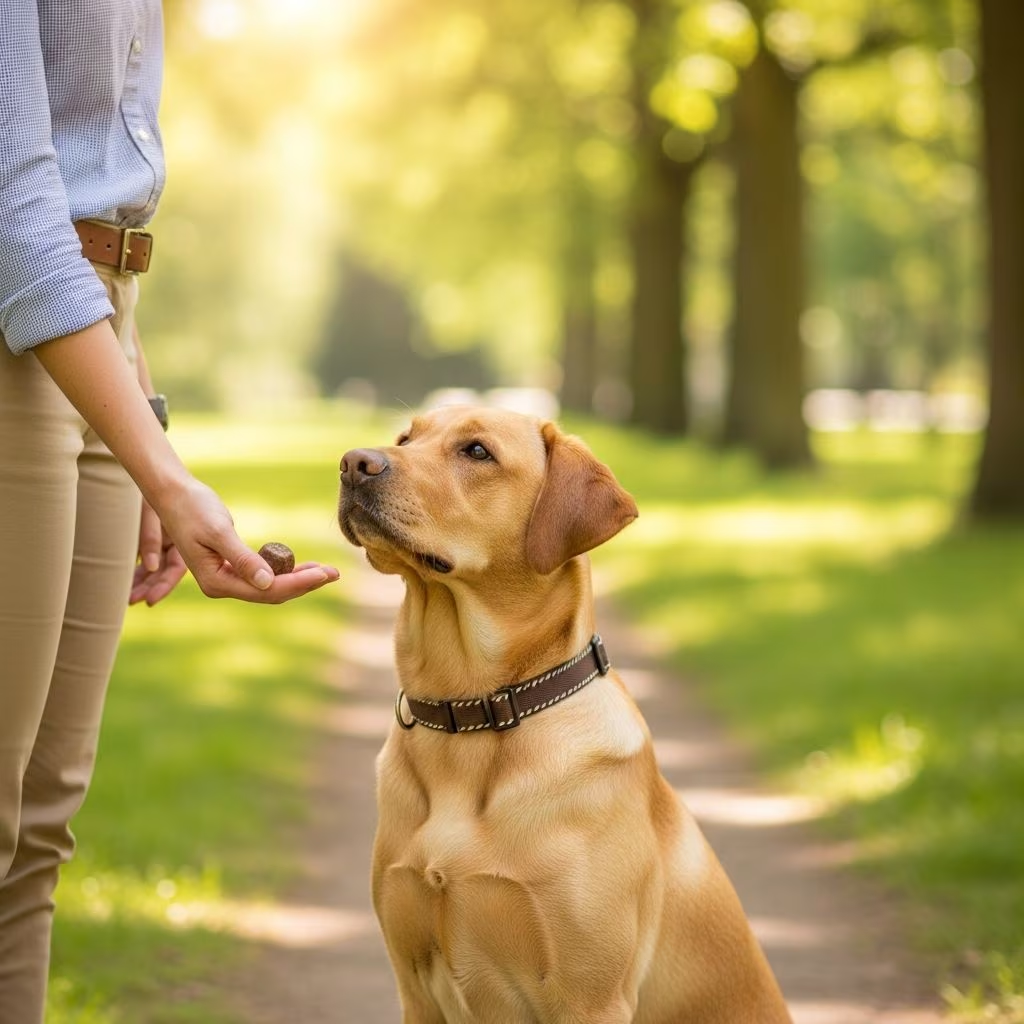
Labrador Retrievers stand out as one of the most popular dog breeds due to their friendly nature, intelligence, and versatility. These energetic dogs excel in family settings, service roles, and outdoor activities when properly trained. Effective training transforms their boundless enthusiasm into reliable obedience, preventing common issues like chewing or pulling on leashes. This guide draws on established methods to help owners from puppyhood through adulthood achieve lasting results.
Understanding the Labrador Retriever Temperament
Labradors possess a combination of high intelligence, eagerness to please, and abundant energy that makes them responsive to training but also prone to mischief if understimulated. Their retriever heritage drives a love for fetching and water play, while their sociable personality thrives on human interaction. Owners must account for these traits by incorporating mental challenges alongside physical exercise to keep Labs focused and content.
- Key Temperament Features: Affectionate, food-motivated, playful, and adaptable.
- They learn quickly but require consistency to avoid confusion from mixed signals.
- Without structure, their energy can lead to destructive habits like digging or barking.
Recognizing these qualities allows trainers to tailor sessions that align with the breed’s strengths, fostering a deeper bond and smoother progress.
Building a Strong Foundation with Positive Reinforcement
Positive reinforcement forms the bedrock of successful Labrador training by rewarding desired actions with treats, toys, or verbal praise. This method leverages their food drive and desire for approval, encouraging repetition of good behaviors without fear. Begin in low-distraction environments to solidify basics before advancing.
For instance, teaching “sit” involves holding a treat above the dog’s nose, moving it back until their rear drops, then immediately rewarding while saying the command. Sessions should last 5-10 minutes, repeated multiple times daily for retention. Over weeks, fade treats to verbal cues only, ensuring reliability in varied settings.
| Command | Steps | Tips for Success |
|---|---|---|
| Sit | 1. Lure with treat over nose. 2. Say “sit” as bottom touches ground. 3. Reward promptly. | Use high-value treats like cheese initially. |
| Stay | 1. Command sit. 2. Step back one pace. 3. Return and reward if steady. | Build distance and duration gradually. |
| Come | 1. Call name + command excitedly. 2. Reward heavily upon arrival. 3. Practice off-leash in safe areas. | Never call for punishment. |
This approach not only teaches commands but boosts confidence, making Labs more willing learners.
Harnessing Clicker Training for Precision
Clicker training enhances positive reinforcement with a distinct sound marking exact moments of success, ideal for Labs’ sharp minds. Pair the clicker sound with treats repeatedly until the dog associates it with rewards. Then, click only for precise behaviors like offering a paw or lying down.
Start with charging the clicker: Click and treat 20-30 times in a row without commands. Progress to shaping behaviors, such as clicking for any downward head movement toward “down.” Labs master this rapidly, often within days, leading to advanced tricks like spinning or weaving through legs. Keep sessions fun and end on a high note to maintain enthusiasm.
Essential Crate Training for House Manners
Crate training provides Labs with a secure den-like space, aiding housebreaking and preventing separation anxiety. Select a crate sized for the adult dog to stand, turn, and lie comfortably. Introduce it positively by tossing treats inside with the door open, encouraging voluntary entry.
- Feed meals in the crate to build positive links.
- Close the door briefly during play, extending time gradually.
- Use for short absences, never as punishment.
Most Labs adapt within a week, sleeping through nights and signaling potty needs. Combine with a schedule: crate after meals, naps, and play, releasing for bathroom breaks every 2-3 hours for puppies.
Leash Training: From Puller to Perfect Walker
Labradors often pull due to excitement, but consistent leash work turns walks into pleasant routines. Begin indoors: Reward slack leash with treats, stopping motion if tension occurs. Progress outdoors in quiet areas, using two-leash methods if needed—one short for control, one longer for practice.
Incorporate turns and speed changes to keep focus on you. Aim for heel position at your side, praising calm walking. Daily 20-minute sessions yield polite walkers within 2-4 weeks, reducing frustration for both owner and dog.
Socialization: Shaping a Confident Companion
Early socialization exposes Labs to diverse stimuli, curbing fear or reactivity. Between 3-16 weeks, introduce people, dogs, sounds, and surfaces positively. Puppy classes offer controlled settings for play and obedience, supervised by professionals.
- Visit pet stores, parks, and car rides weekly.
- Watch body language: Relaxed ears and wagging tail signal comfort; intervene gently if stiff.
- Pair exposures with treats to create joy associations.
Adult Labs benefit from refresher meet-and-greets, ensuring well-rounded behavior in public.
Channeling High Energy Through Exercise and Routine
Labradors demand 60+ minutes of daily activity to prevent boredom-driven issues. Mix walks, fetch, swimming, and puzzle toys for mental-physical balance. Establish routines: Morning walk, midday training, evening play, bedtime crate.
Consistency in commands, schedules, and rules across family members prevents setbacks. Track progress in a journal to celebrate milestones like first reliable recall.
Advanced Skills and Gundog Foundations
Beyond basics, teach steadiness for retrieving: Have the dog sit steady as dummies are thrown nearby, rewarding immobility before release. Heelwork refines loose-leash walking with turns and halts. These build discipline for field work or home reliability.
Overcoming Common Hurdles
Challenges like jumping or chewing stem from unmet needs. Redirect jumping with sit commands and rewards; provide chew toys for teething. Patience trumps punishment—short, daily sessions maintain momentum.
For stubbornness, increase exercise first, then revisit commands. Professional classes offer troubleshooting if progress stalls.
FAQs
How long does it take to train a Labrador puppy?
Basics take 4-8 weeks with daily practice; full reliability spans months with consistency.
Can adult Labs be trained effectively?
Yes, using the same positive methods, though patience may extend timelines.
What’s the best age to start crate training?
Immediately upon bringing home, starting with short, positive sessions.
How much exercise does a Labrador need?
At least 60 minutes daily, split into walks, play, and mental games.
Are obedience classes worth it for Labs?
Absolutely—they provide socialization and expert feedback accelerating learning.
Long-Term Maintenance for Lifelong Success
Training evolves: Annual refreshers prevent regression, especially post-life changes like moves. Involve the whole household for unified cues. With dedication, Labs become exemplary partners in homes, adventures, and therapies.
(Word count: 1678)
References
- 7 Training Techniques For Your Labrador Retriever — CTODogTraining.com. N/A. https://www.ctodogtraining.com/7-training-techniques-for-your-labrador-retriever/
- Effective Techniques for Labrador Retriever Training — ObedientK9.com. N/A. https://obedientk9.com/effective-techniques-for-labrador-retriever-training/
- Training a young labrador retriever – part 1 — Gundog Journal. N/A. https://gundog-journal.com/training/training-a-young-labrador-retriever-part-1/
- How to Train a Labrador Retriever Puppy: Milestone Timeline — American Kennel Club (AKC). N/A. https://www.akc.org/expert-advice/training/train-labrador-retriever-puppy-milestone-timeline/



