

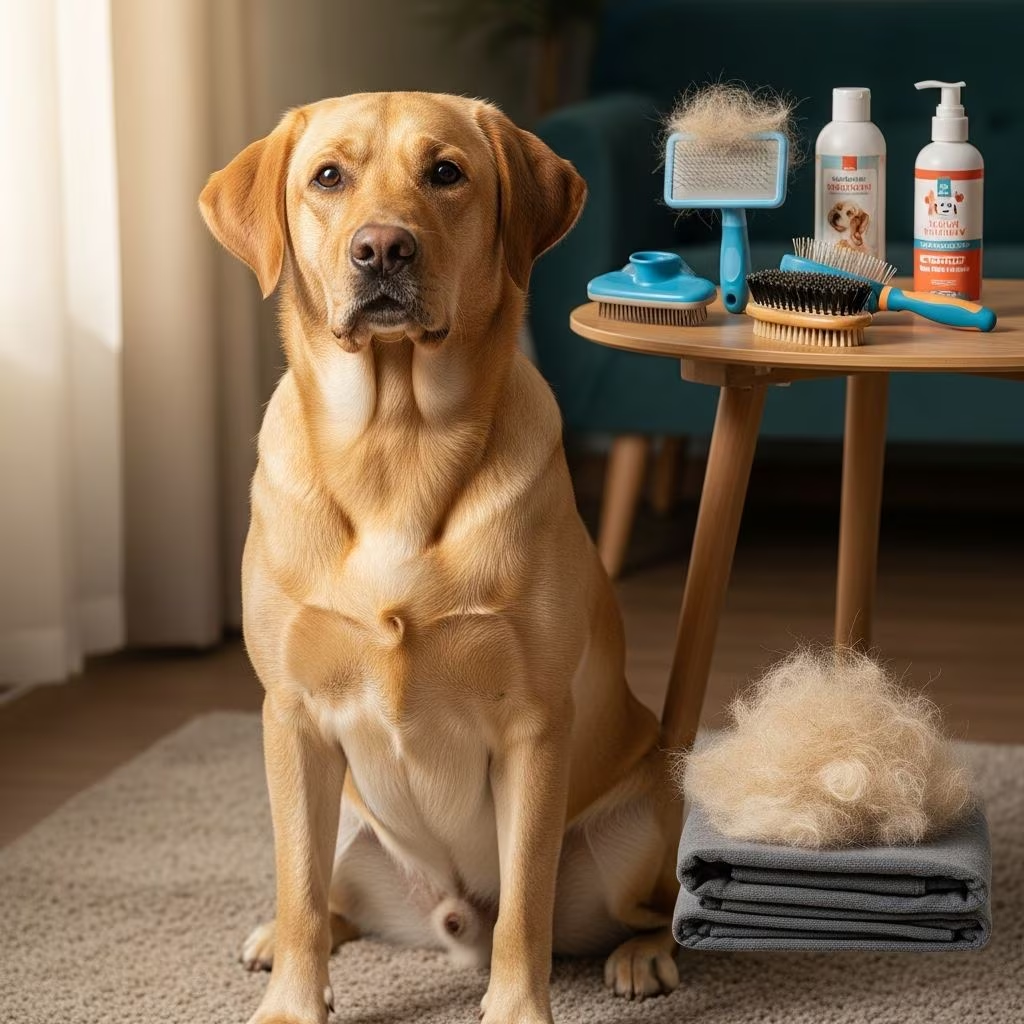
Labrador Retrievers are beloved for their friendly nature and playful energy, but their dense double coats shed profusely, especially during seasonal changes. Owners often collect astonishing volumes of fur—sometimes equivalent to dozens of pounds over time—highlighting the need for consistent grooming routines. This guide draws from expert recommendations to help you manage shedding effectively, ensuring your Lab stays healthy and your living space cleaner.
Understanding the Labrador Coat: Why It Sheds So Much
The hallmark of a Labrador’s coat is its **double-layered structure**: a dense, water-resistant outer layer and a soft undercoat that provides insulation. This setup excels in retrieving from cold waters but leads to heavy shedding twice yearly, with year-round loose hairs in between. Factors like diet, activity, and environment amplify shedding; poor nutrition can weaken the coat, increasing fallout.
Regular maintenance prevents matting, distributes natural oils, and captures loose hair before it spreads. Without it, Labs can leave trails of fur on furniture, floors, and clothing, turning pet ownership into a constant cleanup battle.
Essential Grooming Tools for Effective Shedding Reduction
Investing in the right tools transforms grooming from a chore into an efficient process. Here’s a curated list of must-haves:
- Slicker brush: Ideal for removing undercoat and loose hairs without irritating skin.
- Stainless steel comb: Perfect for detangling and reaching tight spots like behind ears and legs.
- Deshedding tool: Targets undercoat specifically during peak shedding seasons.
- Guillotine-style nail trimmer: Keeps nails short to support overall mobility and paw health.
- Blunt-nosed scissors: For safe trimming of paw pads and excess fur.
These tools, when used weekly, can capture significant hair volumes, mimicking results where owners report gathering bags full of fur from routine sessions.
Step-by-Step Weekly Brushing Routine
Brushing is the cornerstone of Labrador grooming, recommended at least once weekly, ramping up to 3-4 times during molting. Follow this sequence for optimal results:
- Prepare the space: Choose a well-lit area with a grooming mat to contain loose hair.
- Start with a slicker brush: Brush in the direction of hair growth, focusing on back, sides, and tail to loosen dead undercoat.
- Follow with a comb: Work through fur gently, targeting vulnerable areas like armpits, belly, and hindquarters.
- Finish with a rubber curry brush: Stimulates skin and polishes the coat for shine.
Daily sessions during heavy sheds can prevent 80-90% of indoor hair scatter, as consistent removal keeps the cycle in check.
Bathing Best Practices: Frequency and Technique
Overbathing strips essential oils, worsening shedding and skin dryness, so limit to every 6-8 weeks or as needed for active Labs. Pre-brush thoroughly to expel loose hair first.
| Step | Action | Tips |
|---|---|---|
| 1. Wet thoroughly | Use lukewarm water from neck down | Avoid face; use damp cloth separately. |
| 2. Apply shampoo | Massage gentle, dog-specific formula into coat | Opt for oatmeal-based for sensitive skin. |
| 3. Rinse completely | Ensure no residue remains | Residue causes itchiness and more shedding. |
| 4. Condition and dry | Air dry or low-heat blow dry | Deshedding conditioner enhances results. |
Post-swim rinses remove chlorine, preserving coat integrity.
Paw, Nail, and Ear Maintenance for Full-Body Care
Beyond the coat, paws demand attention. Trim hair between pads with blunt scissors to prevent slipping, especially in older Labs. Nails should be clipped biweekly, cutting small amounts to avoid the quick.
Ears, prone to infections from water play, need weekly cleaning with vet-approved solution. Check for lumps or irritations during sessions, consulting a vet if spotted.
Nutrition’s Role in Minimizing Shedding
A **balanced diet** rich in omega-3 fatty acids supports coat health, reducing excessive shed. Look for foods with fish oil, biotin, and zinc; Labs thrive on high-quality kibble meeting AAFCO standards. Supplements like salmon oil can bolster results, but consult a vet first. Poor gut health often manifests as dull, shedding-prone coats.
Seasonal Shedding Strategies: Double Coat Dynamics
Peak shedding hits spring and fall as the undercoat renews. Increase brushing to daily, use deshedding baths, and consider professional grooming every 6-8 weeks. Indoor air purifiers and lint rollers aid home management, but routine is key to containing the fur blizzard.
Professional Grooming vs. Home Care: Pros and Cons
| Aspect | Home Grooming | Professional |
|---|---|---|
| Cost | Low (tools ~$50 initial) | $50-100 per session. |
| Frequency Control | Daily/weekly flexibility | Scheduled every 6-8 weeks. |
| Shedding Impact | High if consistent | Immediate deep clean. |
| Learning Curve | Moderate | None. |
Home care builds bonds and saves money, but pros offer tips for between-visit maintenance.
Common Grooming Mistakes and How to Avoid Them
- Clipping the coat: Ruins water resistance; never do it.
- Infrequent brushing: Leads to buildup; commit weekly.
- Harsh products: Cause dryness; stick to dog-formulated.
- Ignoring paws/nails: Risks injury; integrate into routine.
Health Checks During Grooming Sessions
Grooming doubles as a wellness exam. Feel for lumps, check skin for hot spots, and monitor weight. Early detection prevents issues; notify vets of anomalies.
FAQs: Labrador Grooming Essentials
Q: How much does a Labrador shed?
A: Heavily, especially seasonally—owners report collecting pounds of fur annually with good routines.
Q: Can I stop shedding completely?
A: No, but weekly grooming reduces it by up to 90% indoors.
Q: Best age to start grooming puppies?
A: From 8 weeks, gently to acclimate.
Q: Is professional grooming necessary?
A: Not essential, but beneficial every 6-8 weeks for deep cleans.
Q: What if my Lab has skin issues?
A: Use medicated shampoos per vet advice; avoid overbathing.
Long-Term Benefits of Consistent Grooming
Dedicated care yields shinier coats, healthier skin, and stronger owner-pet bonds. Reduced allergens from captured hair benefits families, while preventing mats avoids vet bills. Labs groomed regularly live more comfortably, ready for adventures without fur woes.
References
- Labrador Grooming 101: A Step-by-Step Guide for Professional Groomers — The Daily Groomer. 2023. https://www.thedailygroomer.com/blog/Labrador-Grooming-101-A-Step-by-Step-Guide-for-Professional-Groomers
- How to Groom a Labrador Retriever — Groomers Online. 2024. https://www.groomers-online.com/how-to-groom-a-labrador-retriever-i257
- How to Groom a Labrador Retriever — American Kennel Club (AKC). 2023-10-15. https://www.akc.org/expert-advice/health/how-to-groom-a-labrador-retriever/
- How Often Should You Groom Your Dog? A Breed-Specific Breakdown — Ridge Side K9 Grooming. 2024. https://ridgesidek9grooming.com/how-often-should-you-groom-your-dog-a-breed-specific-breakdown/
- Labrador Retriever Care: Diet, Training and Grooming Tips — Supertails. 2024. https://supertails.com/pages/labrador-retriever
- Labrador Retriever Grooming — Animal Behavior College. 2023. https://www.animalbehaviorcollege.com/blog/animal-career-advice/grooming/labrador-retriever-grooming/
- Mastering the Art of Labrador Grooming – Tips & Tricks Guide — PDGA Online. 2024. https://www.pdga.online/blog/mastering-the-art-of-labrador-grooming-tips-tricks-guide



