

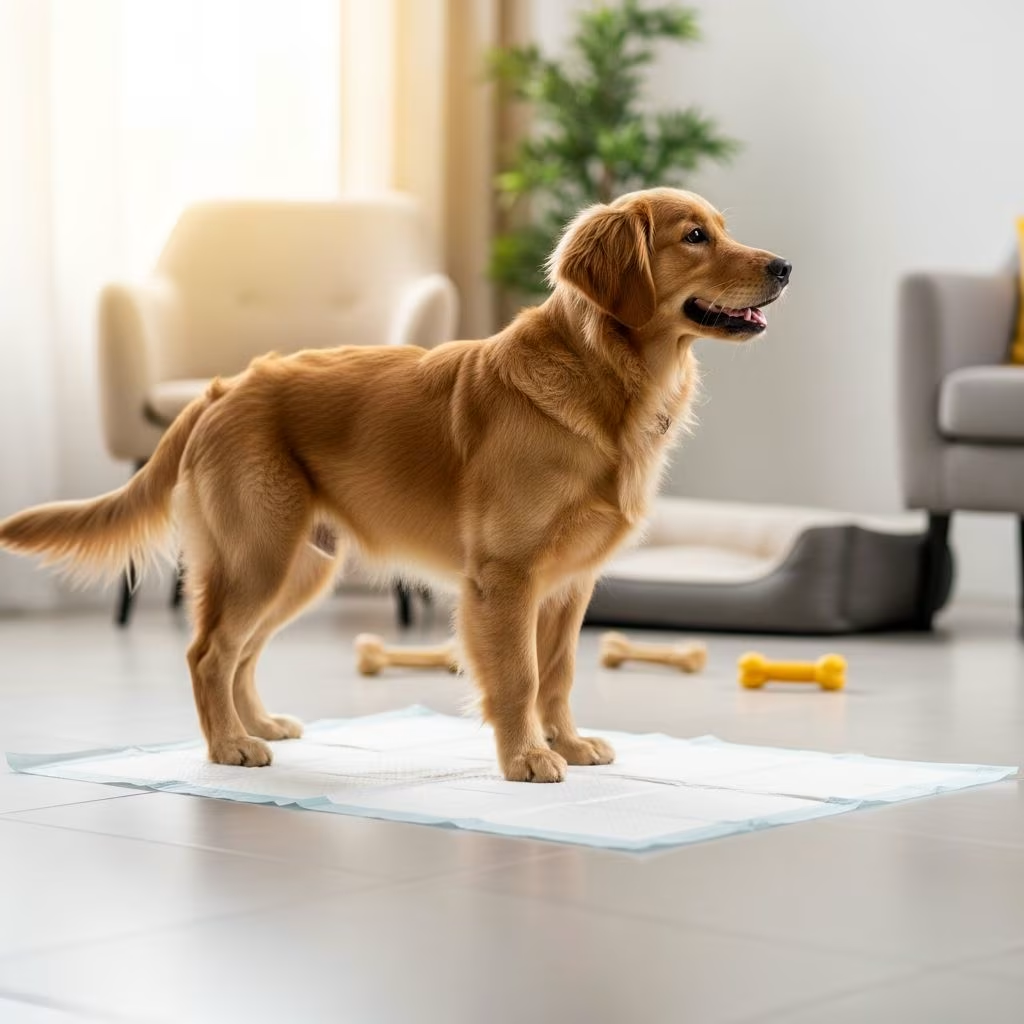
Indoor potty training offers a practical solution for dogs in apartments, during harsh weather, or with limited outdoor access. It involves teaching your dog to use designated indoor areas like pads, turf, or litter boxes through consistent routines and positive reinforcement, leading to fewer accidents and a cleaner living space.
Why Choose Indoor Potty Training?
Many dog owners face challenges with traditional outdoor training, especially in urban settings or extreme climates. Indoor options provide reliability and convenience, allowing dogs to maintain hygiene without constant door trips. This approach suits puppies, seniors, small breeds, or rescue dogs adjusting to new homes.
- Apartment living: Limited space makes indoor spots essential.
- Weather barriers: Rain, snow, or heat waves disrupt schedules.
- Health considerations: Older dogs or those with mobility issues benefit from accessible areas.
- Busy lifestyles: Quick access reduces stress for working owners.
Success hinges on understanding canine instincts—dogs naturally avoid soiling sleeping areas, which forms the basis for effective methods.
Selecting the Right Indoor Potty Solutions
Choosing appropriate tools sets the foundation for training. Options vary by dog size, space, and maintenance preferences.
| Option | Best For | Pros | Cons |
|---|---|---|---|
| Puppy Pads | Puppies, small dogs | Affordable, disposable, absorbent | Frequent changes needed, odor if not cleaned |
| Artificial Turf | All sizes, permanent use | Realistic feel, washable, durable | Higher upfront cost, requires cleaning |
| Litter Boxes | Small breeds | Enclosed, hygienic, like cat boxes | Training curve, litter tracking |
| Self-Cleaning Systems | Tech-savvy owners | Automatic disposal, minimal effort | Expensive, electricity-dependent |
Place the chosen solution in a quiet, accessible location away from food and bedding to encourage proper association.
Building a Consistent Daily Routine
A predictable schedule aligns with your dog’s natural elimination patterns, speeding up learning. Feed at set times to control output timing.
- Morning wake-up: First potty trip immediately.
- Post-meal: 15-30 minutes after eating.
- After naps and play: High-energy activities trigger needs.
- Evening: Before bed to avoid nighttime accidents.
Supervise closely and escort to the spot every 1-2 hours for puppies under 12 weeks. Use a cue like “potty time” to build association.
Integrating Crate Training for Control
Crate training leverages dogs’ aversion to soiling their den. Select a crate sized for standing and turning, but not oversized.
- Introduce positively with treats and short sessions.
- Limit crate time to 2-3 hours max for young puppies.
- Always potty immediately after release.
- Never punish with the crate—keep it a safe haven.
For advanced setups, use divided crates with a separate potty section, allowing instinctive separation of sleeping and eliminating areas.
Positive Reinforcement: The Key to Quick Success
Reward desired behavior instantly to create positive links. Praise enthusiastically, offer high-value treats, or pet gently right after completion.
- Timing matters: Reward within 3 seconds.
- Ignore accidents: No scolding, as it causes fear and setbacks.
- Gradual weaning: Once reliable, slowly transition outdoors if desired.
This method builds confidence and makes training enjoyable, reducing resistance.
Handling Challenges and Setbacks
Accidents happen—stay patient. Common issues include inconsistent placement or ignoring signals like sniffing or circling.
- Cleaning properly: Use enzymatic cleaners to remove scents.
- Medical checks: Rule out UTIs or digestive problems first.
- Age adjustments: Puppies under 8 weeks have limited control; seniors may regress.
Track progress in a journal to identify patterns and adjust. Consistency over weeks yields results.
Advanced Techniques for Long-Term Reliability
Once basics are mastered, refine with transitions. Move the indoor spot gradually toward the door for outdoor integration.
For permanent indoor use, invest in durable turf systems with drainage. Teach multi-spot reliability for travel or multi-room homes.
Tailoring Training to Your Dog’s Profile
Puppies
Frequent trips (hourly initially) match small bladders. Combine with play breaks.
Adult Dogs
Rescues may need retraining. Observe wild patterns before imposing routines.
Senior or Special Needs Dogs
Prioritize low-step access and frequent prompts. Consult vets for arthritis aids.
Maintenance for a Hygienic Environment
Hygiene prevents repeat accidents. Change pads daily, hose turf weekly, and disinfect litter boxes.
- Odor control: Baking soda or commercial neutralizers.
- Placement: Low-traffic, easy-clean floors like tile.
Common Myths Debunked
- Myth: Dogs can’t be trained indoors permanently. Fact: Many thrive with proper setup.
- Myth: Pads encourage laziness. Fact: They’re a tool, not a crutch.
Frequently Asked Questions (FAQs)
What age is best for indoor potty training?
Start as early as 8 weeks, but adults learn quickly too with consistency.
How long until my dog is fully trained?
Puppies: 4-6 months; adults: 2-4 weeks with dedication.
Can I use indoor training then switch outdoors?
Yes, fade indoor use gradually over weeks.
What if my dog ignores the pad?
Check placement, increase supervision, and boost rewards.
Is crate training cruel?
No, when used correctly—it’s instinct-based and comforting.
References
- Effective Potty Training Puppies at Home — Newport Vet RH. Accessed 2026. https://newportvetrh.com/effective-potty-training-puppies-at-home/
- Making Indoor Potty Training Effortless and Fun — DoggieLawn. Accessed 2026. https://doggielawn.com/blogs/blog/making-indoor-potty-training-effortless-and-fun-tips-that-actually-work
- Indoor Potty Training Guide for Dogs — BrilliantPad. 2024-02-11. https://www.brilliantpad.com/blogs/news/indoor-potty-training-guide-for-dogs
- How to Indoor Potty Train your Dog with the Potty Training Puppy Apartment — Zak George’s Dog Training Revolution (YouTube). Accessed 2026. https://www.youtube.com/watch?v=AVCV8k3xvGY
- Guide to How to Potty Train Your Dog — Scott Brand. Accessed 2026. https://www.scottbrand.com/en-us/tips-and-advice/pet-care/guide-to-potty-training-dog
- Indoor Potty Training for Puppies — American Kennel Club. Accessed 2026. https://www.akc.org/expert-advice/training/indoor-potty-training-for-puppies/
- 9 Tips To Housetrain Your Puppy Or Adult Dog — Fear Free Happy Homes. Accessed 2026. https://www.fearfreehappyhomes.com/9-tips-to-housetrain-your-puppy-or-adult-dog/



