

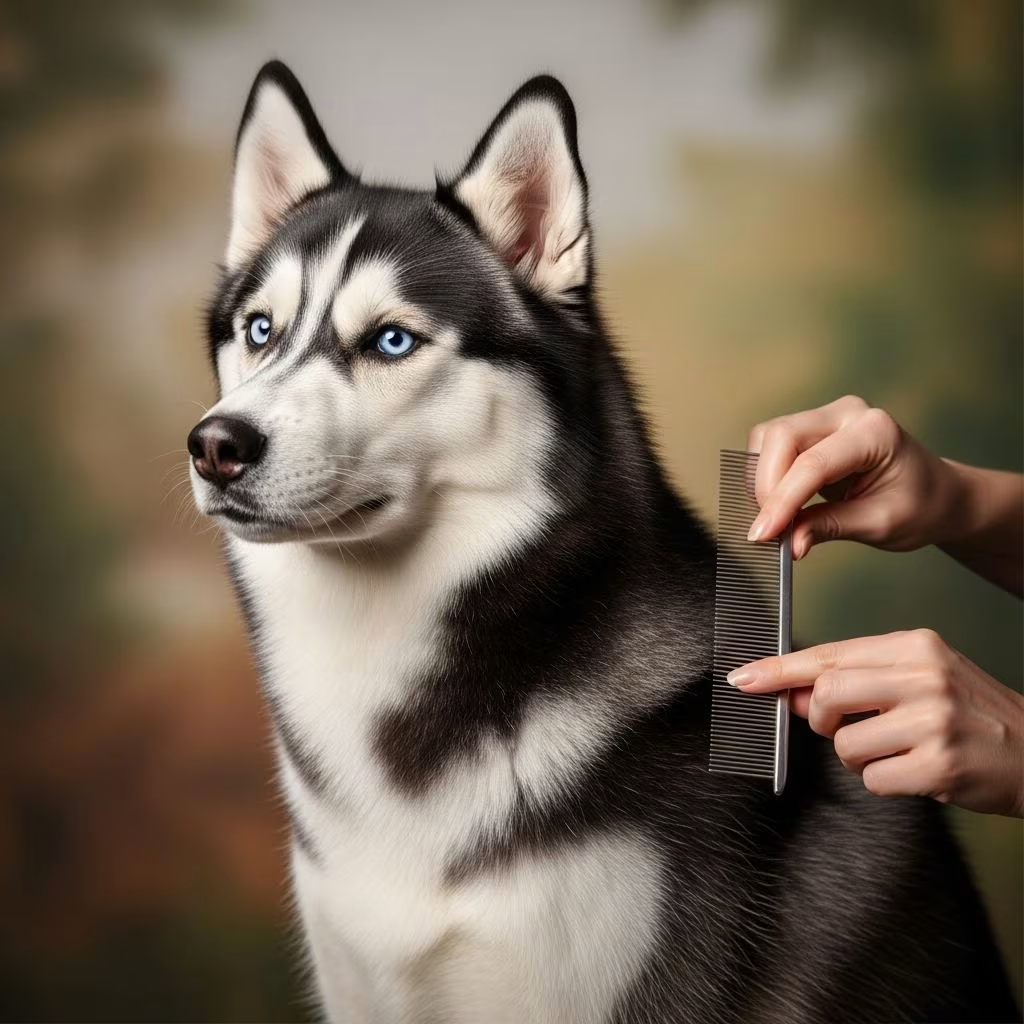
Siberian Huskies possess a remarkable double-layered coat that provides insulation against extreme temperatures, but this feature demands consistent care to prevent matting, control excessive shedding, and promote skin health. Proper grooming not only enhances their appearance but also strengthens the bond between owner and pet while reducing household fur buildup. This guide explores effective methods tailored to the Husky’s unique fur structure, drawing from established practices recommended by canine care experts.
Understanding the Husky’s Double Coat
The Siberian Husky’s coat consists of a dense undercoat of soft, insulating fur and a longer, coarser outer guard coat that repels water and dirt. This structure evolved for endurance in harsh Arctic conditions, allowing the dog to stay cool in summer and warm in winter. The undercoat sheds dramatically once or twice yearly in a process known as “blowing coat,” which can last four to six weeks and result in significant fur loss if not managed promptly.
Daily maintenance prevents tangles in high-friction areas like the belly, legs, and tail base. Neglecting this leads to discomfort, potential skin issues, and amplified shedding indoors. Huskies naturally stay clean with minimal odor, so over-grooming is unnecessary; focus on quality over quantity.
Essential Grooming Tools for Huskies
Selecting appropriate tools is crucial for efficient grooming without harming the coat. Here’s a breakdown of recommended items:
- Slicker Brush: Ideal for removing surface debris and smoothing the guard hairs, providing a glossy finish.
- Undercoat Rake: Penetrates deep to extract loose undercoat during shedding seasons without irritating the skin.
- Wide-Toothed Comb: Breaks up mats in sensitive spots like behind the ears and under the tail.
- FURminator or Deshedding Tool: Efficiently pulls out clumps of dead fur, especially useful bi-weekly.
- Fine-Toothed Flea Comb: Checks for parasites while finishing the groom.
Invest in durable, dog-specific products. Avoid human hair tools, as they can damage the coat’s natural oils. A high-velocity dryer aids in loosening fur before brushing, enhancing results during heavy sheds.
Brushing Routines: Frequency and Methods
Brushing stands as the cornerstone of Husky maintenance, with experts advocating daily sessions during shedding periods and at least weekly otherwise. This removes dead hair, distributes oils, and stimulates circulation for a healthy coat.
Step-by-Step Brushing Technique:
- Begin with a dry coat; use a high-velocity dryer on low heat if needed to fluff and loosen fur.
- Section the body: Start at the head, moving backward in small areas for thorough coverage.
- With an undercoat rake, brush against the grain gently to lift dead hairs, then switch to slicker brush following the hair direction.
- Focus on prone-to-mat zones: armpits, groin, and featherings on legs and tail.
- Finish with a comb for stray hairs and inspect for fleas by dipping the comb in hot water.
Spray a water-conditioner mist to detangle without breakage. Train puppies early by associating grooming with treats, mimicking pack behaviors for relaxation. Short sessions prevent overwhelm; reward frequently.
| Season | Frequency | Focus Areas |
|---|---|---|
| Non-Shedding | 1-2x/week | Surface smooth-out, mat check |
| Blowing Coat | Daily | Undercoat removal, full body |
| Post-Bath | Immediately | Prevent matting |
Bathing Best Practices for Huskies
Huskies require infrequent baths—every 6-8 weeks or only when visibly dirty—due to their self-cleaning coat. Over-bathing strips protective oils, leading to dry skin.
Preparation and Process:
- Brush thoroughly first to evict loose fur and prevent clogs.
- Use lukewarm water and a mild, dog-formulated shampoo; avoid human products.
- Apply via rubber curry brush for deep clean, massaging in circular motions.
- Rinse meticulously—residue causes hot spots. Follow with conditioner containing sunscreen for UV protection.
- Towel-dry aggressively, then blow-dry on cool setting while brushing out water.
Protect ears with cotton balls and tilt the head back to shield eyes. Red-coated Huskies benefit from sun-protective products to preserve color vibrancy.
Nail Trimming and Paw Maintenance
Huskies’ active lifestyle often keeps nails naturally worn, but indoor living necessitates monthly trims. Long nails cause joint strain and slipping.
Use guillotine-style clippers with safety guards. Trim small amounts, avoiding the quick (visible pink vein). If unsure, file instead or seek professional help. Post-trim, moisturize paw pads with vet-approved balm to prevent cracks from rough terrain.
Ear Cleaning and Dental Hygiene
Weekly ear checks prevent infections common in drop-eared breeds, though Huskies’ upright ears reduce risk. Wipe with a damp cloth and vet solution; never probe deeply.
Dental care involves daily brushing with enzymatic toothpaste and weekly chew toys. Huskies prone to plaque benefit from dental diets or professional cleanings annually.
Common Grooming Pitfalls to Avoid
Never Shave or Clip the Coat: This disrupts insulation, risks sunburn, and impairs regrowth. The guard hairs shield against UV and regulate temperature.
Preserve Whiskers: These sensory tools detect air currents and obstacles; clipping impairs navigation.
Steer clear of harsh chemicals or excessive force, which damage follicles. During blows, patience yields better results than shortcuts.
Year-Round Grooming Calendar
Adapt routines seasonally:
- Spring/Fall (Blowout): Daily raking, weekly baths if needed.
- Summer: Frequent brushing for coolness, sunscreen conditioners.
- Winter: Minimal intervention; check for snowballs in fur.
- Monthly: Nails, ears, teeth regardless.
Track progress with photos to adjust as your Husky ages or coat changes.
Benefits of Consistent Grooming
Beyond aesthetics, regular care detects health issues early—like lumps or parasites—and reduces allergens via fur removal. DIY saves costs versus salon visits, empowering owners with skills. Well-groomed Huskies exhibit calmer demeanors and superior mobility.
Frequently Asked Questions
How often should I brush my Husky?
Daily during shedding seasons, weekly otherwise for optimal coat health.
Can I shave my Husky in summer?
No, shaving damages the coat’s protective functions and hinders regrowth.
What shampoo is best for Huskies?
Mild, dog-specific formulas; opt for those with natural oils and sunscreen.
Why does my Husky shed so much indoors?
Inadequate brushing traps undercoat; increase frequency to manage.
Are professional groomers necessary?
Not routinely; home care suffices with proper tools and techniques.
References
- Grooming the Siberian Husky — ARuff.com. Accessed 2026. https://www.aruff.com/siberian-husky-grooming
- Our Best Grooming Tips for Your Siberian Husky — Rover.com. Accessed 2026. https://www.rover.com/blog/best-grooming-tips-siberian-husky/
- The Ultimate Husky Grooming Guide — Paw Parent Academy. Accessed 2026. https://www.pawparentacademy.com/blog/the-ultimate-husky-grooming-guide
- How to Groom Your Dog at Home — Forever Husky. Accessed 2026. https://foreverhusky.org/husky-101/how-to-groom-your-dog/
- Grooming Tips — Husky Life Rescue. Accessed 2026. https://www.huskyliferescue.org/grooming-tips



