

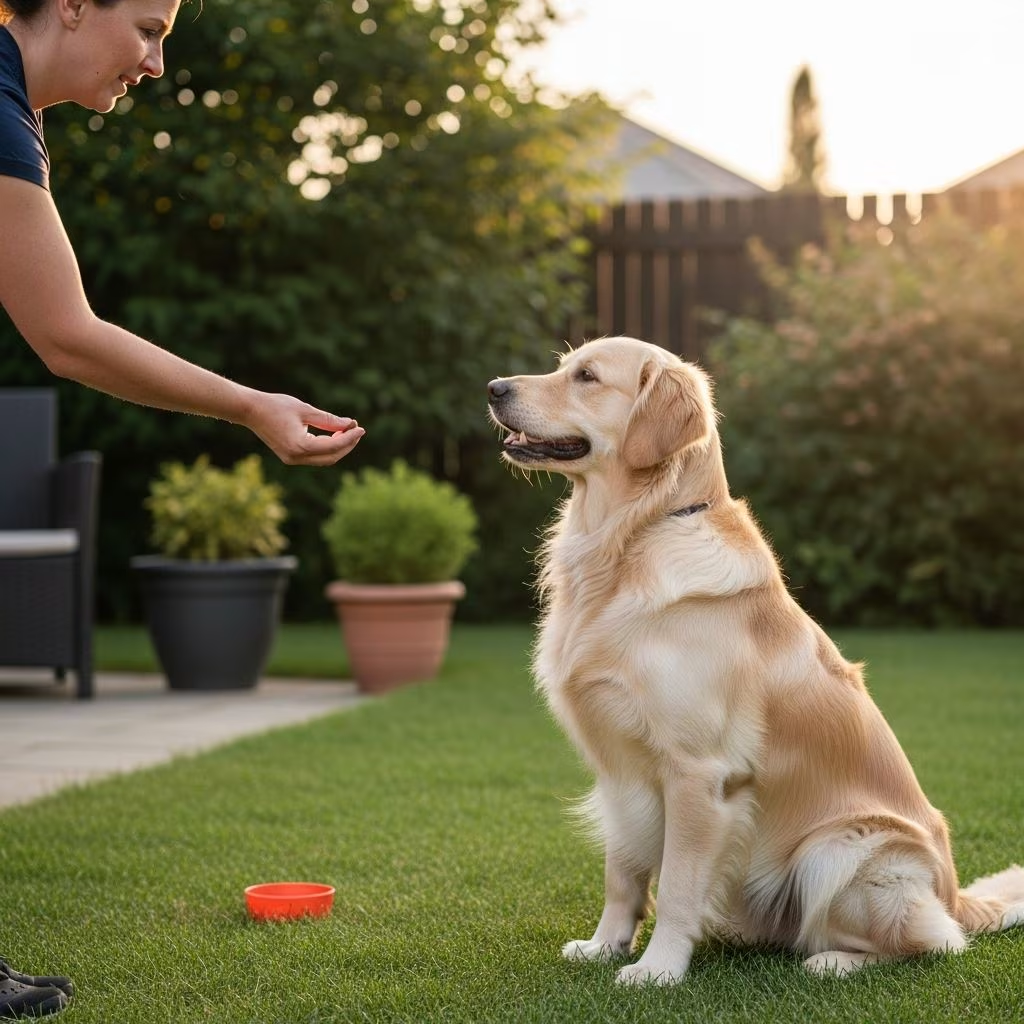
Bringing an adult dog into your home often comes with the challenge of housetraining, especially if the dog has spent time in shelters, previous homes, or rescue situations where consistent routines were absent. Unlike puppies, adult dogs may have ingrained habits or underlying health issues affecting their bladder control, but with the right approach, success is achievable. This guide outlines a comprehensive plan drawing from veterinary insights and proven training methods to help you establish reliable bathroom habits in your adult canine companion.
Understanding Why Adult Dogs Need Retraining
Adult dogs might arrive in your life already partially trained, but changes in environment, age-related decline, or stress can lead to indoor accidents. Factors like urinary tract infections, cognitive dysfunction in seniors, or simply a lack of prior structure contribute to these issues. Veterinary evaluation is crucial first; rule out medical causes before training begins. For instance, older dogs may experience incontinence due to weakened muscles or conditions like diabetes, which demand professional diagnosis.
Building a Solid Daily Routine
Consistency forms the backbone of housetraining. Adult dogs thrive on predictable schedules that align feeding, elimination, and rest. Feed meals at set times—typically morning and evening—and remove uneaten food after 10-15 minutes to regulate digestion. Potty breaks should occur at key intervals:
- First thing in the morning upon waking.
- 10-20 minutes after eating or drinking significantly.
- After naps or play sessions.
- Before bedtime.
- Every 1-2 hours during active periods initially.
Leash your dog for these outings to prevent wandering and ensure you witness successful elimination. Stay with them until they finish, praising immediately upon completion. This routine leverages their natural biological clock, making indoor accidents less likely as they learn to hold it for scheduled opportunities.
The Power of Positive Reinforcement
Punishment erodes trust and can exacerbate anxiety, leading to sneaky elimination or fear of you. Instead, focus on rewards: high-value treats like small pieces of cheese, meat, or their favorite toy delivered within seconds of finishing outside. Generosity pays off—use special rewards reserved solely for potty success to create strong associations. Over time, fade treats to verbal praise, but start lavish to build momentum.
| Reward Type | When to Use | Examples |
|---|---|---|
| High-Value Food | Initial training phase | Chicken bits, cheese chunks |
| Praise & Play | Transition phase | Enthusiastic “Good potty!” + tug toy |
| Verbal Only | Maintenance | Calm, consistent cheers |
This method, backed by modern behavioral science, accelerates learning for rescues and seniors alike.
Supervision and Confinement Strategies
Freedom leads to accidents, so constant supervision is non-negotiable at first. Keep your dog leashed to your waist indoors or use baby gates to limit access to one easy-to-clean room. Crates work wonders since dogs instinctively avoid soiling their sleeping area. Size the crate just large enough for standing, turning, and lying down—oversized ones invite mishaps.
When unsupervised, crate or confine. Gradually expand privileges: after a week of no accidents, allow 10-15 minutes of supervised freedom post-potty. Regression? Dial back immediately. This prevents damage and teaches boundaries patiently.
Recognizing and Responding to Potty Signals
Adult dogs often communicate needs subtly. Watch for these cues:
- Circling or sniffing the floor excessively.
- Pacing, whining, or barking at doors.
- Sudden restlessness or hiding in corners.
- Pawing or scratching entry points.
Act swiftly—interrupt indoor starts with a neutral noise (clap or “ah-ah”), then rush outside to finish. Reward completion outdoors. Teaching a cue like “Go potty” said once as they position reinforces the behavior. Practice both leashed walks and off-leash yard relief for versatility.
Cleaning Up Accidents Properly
Mishaps happen; handle them right to erase scents that lure repeats. Enzyme-based cleaners break down urine proteins—regular soaps won’t suffice. Blot, don’t rub, and apply liberally. Avoid ammonia products mimicking urine odor. Thorough cleaning prevents site-specific marking.
Special Considerations for Older Dogs
Seniors may struggle due to arthritis limiting mobility or cognitive fog blurring routines. Frequent, shorter breaks help; ramps aid yard access. Vet checks for infections or medications side effects are essential. Patience doubles here—progress might take weeks, but consistency yields results. Potty pads offer interim solutions for mobility-challenged pups, transitioning outdoors gradually.
Common Pitfalls and How to Avoid Them
– Free-feeding: Disrupts schedules; stick to timed meals.
– Rushing outdoors: Let them sniff and settle; forcing quick returns teaches holding indoors.
– Punishing past accidents: Dogs link it to the spot, not behavior—focus forward.
– Inconsistent rewards: Randomness confuses; be prompt and reliable.
– Overlooking health: Persistent issues warrant vet visits.
Timeline for Success
Expect 2-4 weeks for basics with diligent effort. Track progress in a journal: note times, successes, cues. Full reliability might take months for previously untrained dogs. Celebrate milestones to stay motivated.
FAQs
What if my adult dog regresses after progress?
Return to stricter supervision and shorter intervals. Check for stressors or health changes.
Can I use belly bands for males?
Yes, as a temporary management tool alongside training, especially for marking.
How often should I take an adult dog out initially?
Every 1-2 hours, plus routine times, adjusting based on response.
Is crate training cruel for adults?
No, when sized properly and used for short periods; it’s a safe den mimicking natural instincts.
What if my dog won’t go outside?
Make it rewarding with play post-potty; use long lines for security if fearful.
Long-Term Maintenance
Once trained, maintain with morning/evening routines and post-meal checks. Aging brings changes—adapt as needed. Your consistent leadership ensures a harmonious home for years.
References
- How to Potty Train an Older Dog: 10 Tips From a Vet — ToeGrips. 2023. https://toegrips.com/how-to-potty-train-older-dog/
- Housetraining for Adult Dogs — Wisconsin Humane Society. 2024. https://www.wihumane.org/housetraining-adult-dogs
- Housetraining an Adult Dog (Potty Training for the “Stubborn” Dog) — Dog Spring Training. 2023. https://www.dogspringtraining.com/tips/housetraining-adult-dog/
- Dog Training: How to Potty Train an Adult Dog — Purina US. 2024. https://www.purina.com/articles/dog/behavior/training/how-to-potty-train-adult-dog
- How to Potty Train an Older Dog: Housetraining Adult Dogs — American Kennel Club (AKC). 2024. https://www.akc.org/expert-advice/training/how-to-housetrain-an-adult-dog/



