

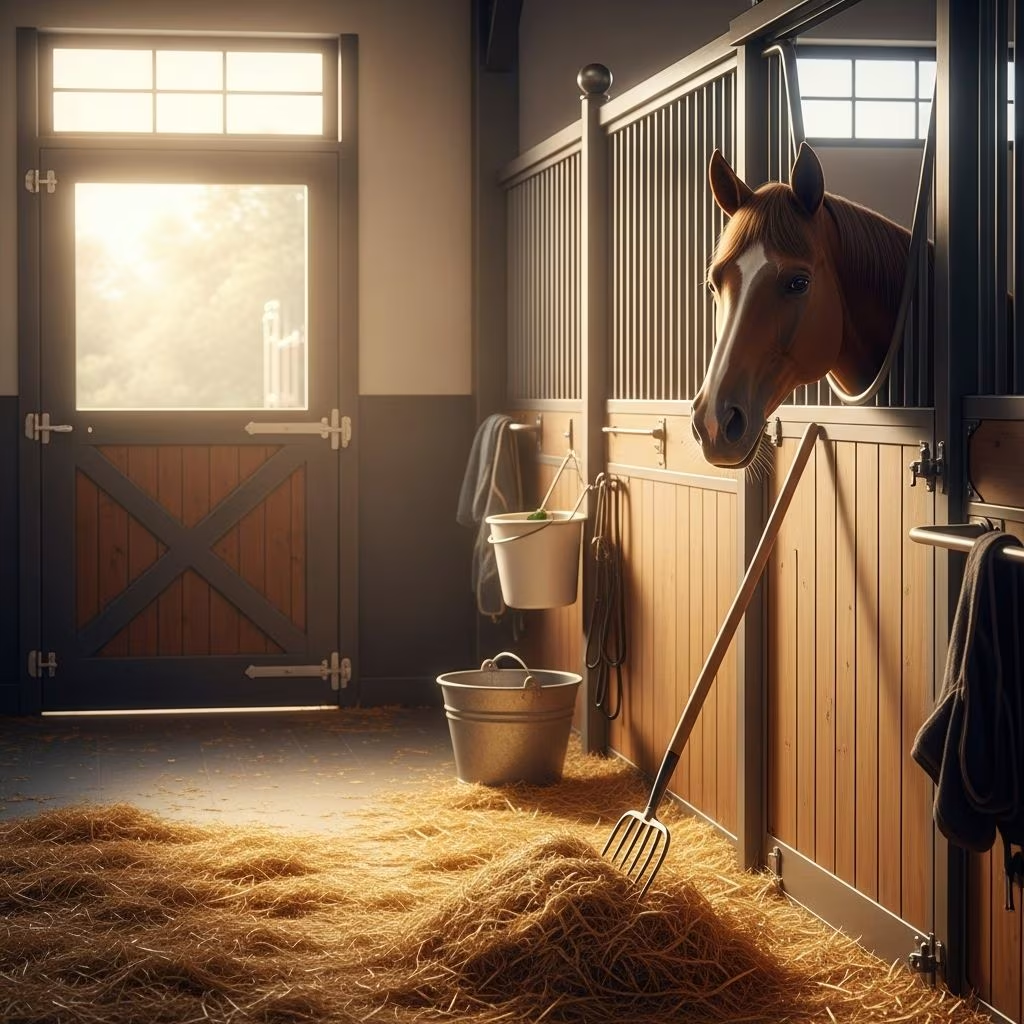
Proper stall cleaning is fundamental to equine health, preventing issues like respiratory problems, infections, and discomfort. Regular maintenance creates a dry, odor-free space that supports your horse’s well-being and reduces long-term veterinary costs. This guide explores everything from basic routines to advanced tools for optimal stable management.
Why Stall Hygiene Matters for Equine Health
Maintaining clean stalls directly impacts horse welfare by minimizing exposure to ammonia from urine, bacteria in manure, and dust that can trigger conditions like heaves or thrush. Daily removal of waste keeps bedding absorbent and floors dry, promoting hoof health and overall comfort. Neglect can lead to slips on wet surfaces or parasite buildup, underscoring the need for consistent practices.
Essential Tools for Effective Stall Cleaning
Selecting durable, ergonomic tools streamlines the process and prevents injuries. Here’s a breakdown of must-haves:
- Manure forks: Lightweight models with fine tines excel at sifting small manure pieces from bedding without disturbing clean material.
- Muck buckets and carts: Sturdy carts with large wheels handle heavy loads easily, ideal for transporting waste to compost piles.
- Muck boots: Waterproof, grippy boots protect feet from moisture and sharp debris during long sessions.
- Bedding options: Pellets, shavings, or straw each have pros—pellets absorb well but cost more, while straw provides comfort but requires more picking.
Invest in quality to save time; for instance, carts with smooth-rolling wheels cut transport effort significantly.
Daily Cleaning Routine: Step-by-Step Process
A structured daily approach takes 10-20 minutes per stall and keeps environments sanitary. Follow these steps:
- Secure the horse: Move your horse to a safe paddock or cross-tie to avoid distractions and ensure safety.
- Clear hay remnants: Rake out uneaten hay from feeders and floors to expose hidden waste easily.
- Sift manure and wet spots: Use a fork to remove all visible droppings and urine-soaked areas, fluffing dry bedding underneath.
- Aerate bedding: Turn over remaining material to dry it out and uncover any missed spots.
- Level and refresh: Even out the surface and add a thin layer of fresh bedding if needed for uniformity.
Repeat this twice daily for heavily used stalls to maintain dryness. Frequency adjusts based on horse activity—active horses produce more waste.
Deep Cleaning Protocols for Thorough Sanitation
Every 1-4 weeks, perform a full overhaul to eliminate built-up grime. This intensive method ensures long-term hygiene:
- Evacuate all bedding: Shovel everything into carts for composting, inspecting for deeply embedded waste.
- Scrub surfaces: Use a stiff brush with equine-safe disinfectant on walls, floors, and corners to kill pathogens.
- Rinse and dry: Hose down thoroughly, then allow 24-48 hours for complete drying before re-bedding.
- Re-bed generously: Lay down 4-6 inches of fresh material, focusing on high-traffic zones.
Disinfectants must be non-toxic; choose products labeled for animal areas to avoid irritation.
Choosing the Best Bedding Materials
| Bedding Type | Absorbency | Dust Level | Cost | Best For |
|---|---|---|---|---|
| Wood Shavings | High | Low-Medium | Medium | Daily use, dust-sensitive horses |
| Straw | Medium | Low | Low | Comfort, deep bedding |
| Pellets | Very High | Very Low | High | Respiratory health, easy cleaning |
| Cob | High | Low | Medium | Hoof drying, budget option |
Select based on your horse’s needs—respiratory issues favor low-dust pellets, while budget-conscious owners prefer straw. Test small batches to assess horse preference and cleaning ease.
Innovative Tools and Machinery for Efficiency
Modern equipment transforms labor-intensive tasks into quick jobs, saving up to 65% on time and 50% on bedding. Key options include:
- Electric sifters: Devices like the Stall Shi*fter process bedding in minutes, removing even tiny manure particles for superior cleanliness.
- Articulated mini loaders: Compact models with manure grabs navigate tight stalls, scooping waste rapidly without muscle strain.
- Push sweepers: Battery-powered sweepers with dust suppression clear aisles and mats efficiently, ideal for large barns.
These tools pay off quickly in multi-stall operations; for example, loaders handle straw or shavings in seconds per stall.
Time-Saving Techniques and Workflow Optimization
Boost productivity with smart strategies:
- Batch clean multiple stalls by staging tools centrally.
- Use stall mats to reduce bedding needs and simplify scraping.
- Compost waste immediately to avoid odors and pests.
- Schedule deep cleans during low-activity periods like mornings.
Trained teams following a workflow—horse out, pick, aerate, refresh—cut average time from 30 to 10 minutes per stall.
Safety Considerations During Cleaning
Prioritize protection: wear gloves for sharp bedding, ensure good ventilation to disperse fumes, and watch for horse reactions post-cleaning. Secure tools to prevent trips, and use non-slip floors. For machinery, follow manufacturer guidelines to avoid overloads.
Common Stall Cleaning Mistakes to Avoid
Steer clear of these pitfalls:
- Ignoring corners where waste accumulates.
- Over-bedding, which hides moisture.
- Skipping aeration, leading to soggy spots.
- Using harsh chemicals that harm horses.
Address them for healthier stalls and less rework.
Seasonal Adjustments to Your Routine
Adapt methods yearly: increase bedding in winter for insulation, focus on dust control in summer, and enhance drying in rainy seasons. Monitor for seasonal urine patterns to preempt wet areas.
Cost Analysis: Manual vs. Mechanical Methods
| Method | Initial Cost | Time per Stall | Annual Savings |
|---|---|---|---|
| Manual (Fork & Cart) | Low ($200) | 20 min | Baseline |
| Electric Sifter | Medium ($2,700) | 4 min | Bedding 50%, Labor 65% |
| Mini Loader | High ($10k+) | 30 sec | Large-scale efficiency |
Mechanical pays for itself in 1-2 years for 10+ stalls.
FAQs
How often should I clean horse stalls?
Daily mucking is standard, with deep cleans every 2-4 weeks depending on usage.
What’s the best bedding for easy cleaning?
Pellets or shavings allow quick waste separation and high absorbency.
Can I clean stalls with the horse inside?
No, always remove the horse for safety and thoroughness.
Are stall mats worth it?
Yes, they cut bedding use by 30-50% and ease scraping.
How do I dispose of stall waste?
Compost in piles, turning weekly for hot decomposition.
References
- How to Clean a Horse’s Stall: A Step-by-Step Guide — Sstack.com. 2023. https://www.sstack.com/blog/how-tos/how-to-clean-a-horse-stall/b/r0193/
- horse stall cleaning machine – electric manure & bedding sifter — Brockwood Farm. 2023. https://www.brockwoodfarm.com
- Cleaning horse stalls with Purple Packer and a loader — Miniloaders.com. 2023. https://miniloaders.com/blog/small-articulated-loader-purple-packer/
- Choosing the Right Push Sweeper for Your Horse Stable — Tomahawk Power. 2023. https://tomahawk-power.com/blogs/articles/the-ultimate-barn-cleaning-solution
- How to Clean Horse Stalls Faster | Tools, Technique, and Workflow — Kdequestrian.com. 2023. https://kdequestrian.com/blogs/straight-from-the-f-bar/how-to-clean-horse-stalls-faster



