

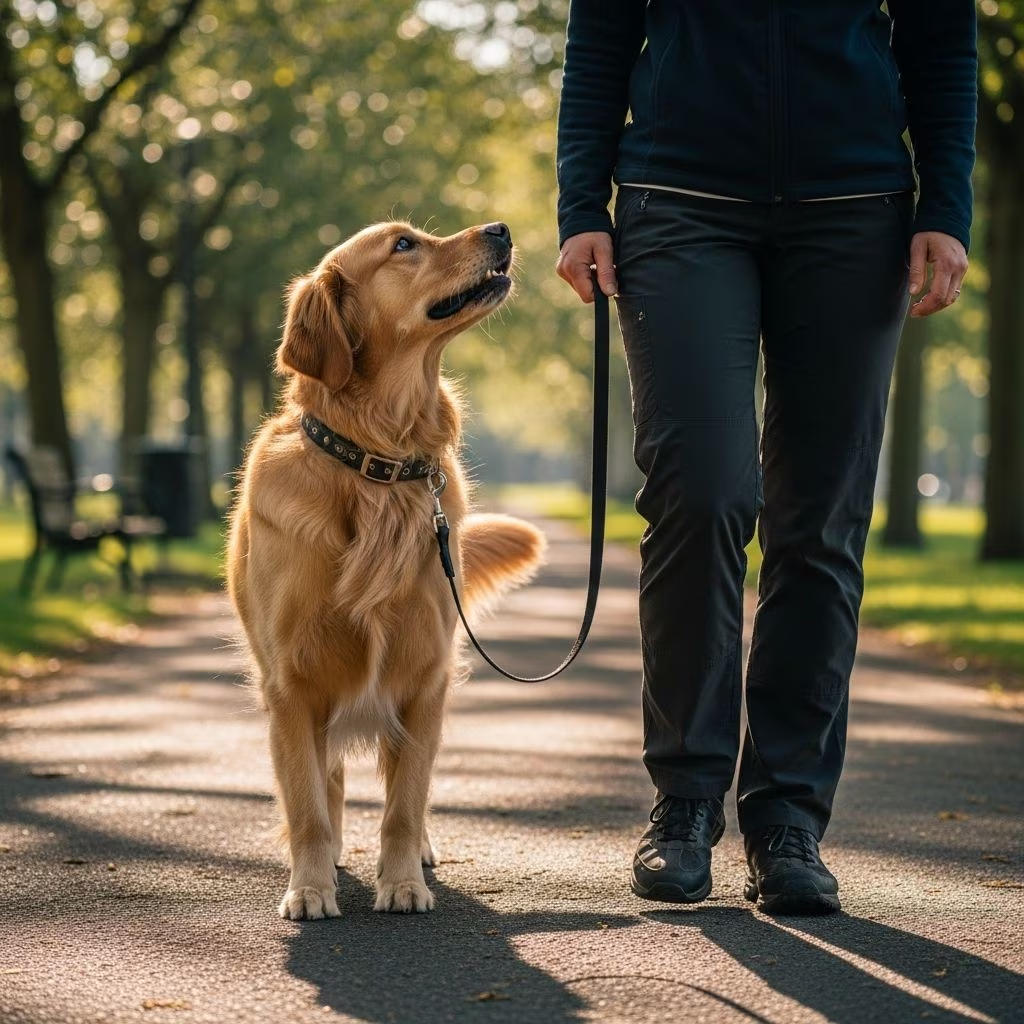
Teaching your dog to heel transforms everyday walks into enjoyable experiences, preventing pulling and fostering a strong bond. This skill ensures your canine companion stays close by your side with a loose leash, making outings safer and more controlled.
Understanding the Heel Position
The heel command positions your dog directly beside you, typically with their shoulder aligned to your leg. For smaller breeds, this might mean their head near your ankles, while larger dogs align their neck or shoulder with your knee or thigh. This adaptability accommodates various sizes and promotes natural movement.
In competitive obedience, dogs traditionally heel on the handler’s left side, but for casual training, either side works. Consistency in position builds reliability, allowing seamless navigation in crowds or trails.
Essential Equipment for Successful Training
Start with a standard 6-foot leash to maintain gentle guidance without tension. A flat collar or martingale suits most dogs, avoiding choke chains that can cause discomfort. High-value treats like small pieces of chicken or cheese motivate engagement, while a clicker provides precise timing for rewards.
- Leash: 4-6 feet, non-retractable for control.
- Collar/Harness: Comfortable fit, no-slip design.
- Treats: Soft, smelly, pea-sized portions.
- Clicker: Optional for marker training.
Practice in a distraction-free zone like your living room before advancing outdoors.
Building the Foundation: Stationary Heel Practice
Begin indoors to establish the core position. Stand with your dog on leash, luring them to your side using a treat held at nose level near your leg. Say “heel” calmly as they align, then mark with a click or “yes” and reward at the exact spot.
Repeat 5-10 times per session, varying your stance slightly. If your dog drifts, gently guide with the leash without pulling. Sessions should last 5 minutes to keep focus high.
| Step | Action | Tips |
|---|---|---|
| 1. Lure to Side | Hold treat by leg, say “heel” | Use happy tone |
| 2. Mark & Reward | Click/”yes,” feed treat | Hand returns to waist |
| 3. Repeat | 3-5 reps, pause | End on success |
Transitioning to Movement: First Steps Forward
Once stationary heeling is solid, introduce motion. Position your dog correctly, say “heel,” and take one small step forward. Reward immediately if they match your pace and position. If they lag or forge ahead, stop and reset without correction.
Gradually increase steps, incorporating pauses where your dog automatically sits. This builds anticipation for stops, enhancing control. Use random treat delivery to prevent anticipation of food alone.
Adding Turns and Direction Changes
Enhance heel proficiency with turns. Practice figure-eights, left/right pivots, and about-turns. For left turns, step wide with your left foot, encouraging your dog to follow closely. Reward tight positioning.
Reverse heeling refines body awareness: lure backward with a treat overhead, maintaining eye contact. This prevents spinning and teaches precise alignment, crucial for hunting or agility dogs.
- Left turn: Wide step, reward inside position.
- Right turn: Pivot shoulder, lure gently.
- About-face: Spin 180 degrees, reward catch-up.
Proofing Against Distractions
Move training to busier areas like your yard or quiet streets. Introduce mild distractions such as toys or family members. If focus wanes, return to basics with higher-value rewards.
Randomize sessions: sometimes heel briefly, other times extend walks. Fade treats by praising more, delivering food unpredictably. Aim for 80% success before progressing.
Common Challenges and Solutions
Pulling persists if rewards aren’t timed correctly. Solution: Stop walking until slack returns, then resume. For lagging dogs, use playful encouragement or higher motivation.
Jumping for treats? Hold rewards at chest level, feeding from the dog-side hand to avoid crossing. Spinning indicates poor rear awareness; incorporate bucket drills where the dog pivots around a stable object.
| Problem | Solution | Prevention |
|---|---|---|
| Pulling | Stop motion, reward slack | Consistent short sessions |
| Lagging | Excited lure forward | High-drive treats |
| Jumping | Chest-level holds | Same-side feeding |
| Spinning | Reverse heel drills | Bucket pivots |
Advanced Techniques for Competition-Level Heeling
For obedience trials, demand unwavering focus with eye contact. Teach “watch me” by holding treats at eye level during heel. Incorporate speed changes: normal, fast, slow, all while maintaining position.
Hunting dogs benefit from off-leash reliability; practice in fields with birds or scents. Use a long line for safety during transitions.
Integrating Heel with Other Commands
Combine heel with sit, stay, and recall for comprehensive obedience. At stops, expect an automatic sit. Release with “free” or “okay” to end sessions positively.
This synergy creates a polite dog ready for public access, therapy work, or service roles.
Age and Breed Considerations
Puppies under 6 months learn quickly but tire fast; keep sessions playful. Seniors may need slower pacing with joint-friendly surfaces. High-energy breeds like Labs thrive on frequent practice, while hounds require scent-proof motivation.
FAQ
How long does it take to teach heel?
Typically 2-4 weeks with daily 5-10 minute sessions, varying by dog age and prior training.
Should I use a harness or collar?
Harness for pullers, collar for precise control; avoid prongs unless under professional guidance.
What if my dog ignores the command outdoors?
Reduce distractions, up rewards, or use a dragline for gentle reminders.
Can I teach heel without treats?
Possible with praise/toy rewards, but food accelerates learning for most dogs.
Is heeling right-side okay?
Yes, for non-competitive use; mirror steps for consistency.
Long-Term Maintenance
Practice weekly to sustain skills. Vary environments to generalize behavior. Enroll in classes for handler feedback and socialization.
Consistent reinforcement ensures lifelong loose-leash walking, reducing frustration and enhancing your relationship.
References
- How to Teach a Dog to Heel in 7 Easy Steps — Chewy. 2023. https://www.chewy.com/education/dog/training-and-behavior/how-to-teach-a-dog-to-heel
- Teach a Dog to Heel: How to Train a Dog to Walk Beside You — American Kennel Club (AKC). 2024-01-15. https://www.akc.org/expert-advice/training/heeling-teach-dog-walk/
- How to Teach Your Dog to Heel — Project Upland. 2023-05-20. https://projectupland.com/dogs/teaching-your-dog-to-heel/
- Heeling — Positively.com (Victoria Stilwell Positive Methods). 2022. https://positively.com/dog-training/article/canine-life-skills-heeling



