
Mastering the Heel: Dog Training Guide
Unlock loose-leash walking with proven techniques for focus, position, and automatic sits in every dog breed.
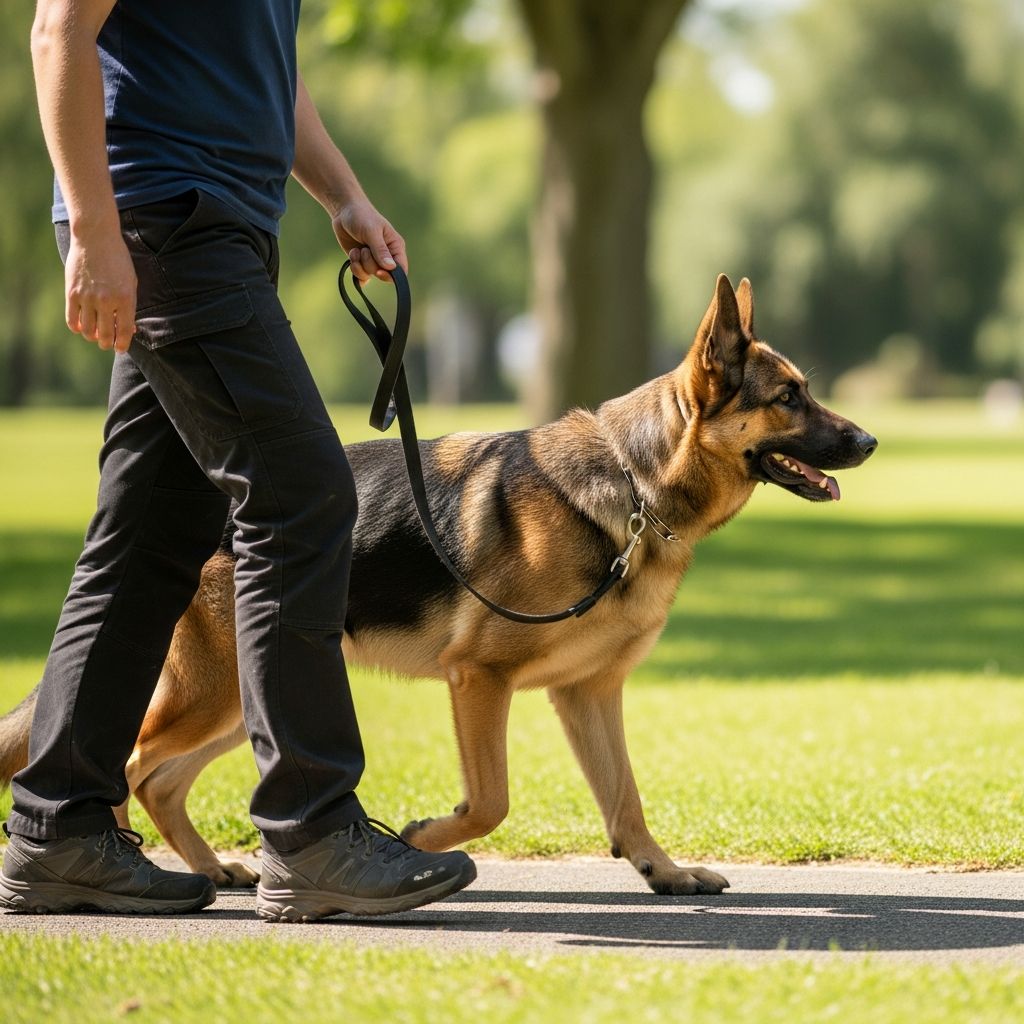
Teaching your dog to heel transforms everyday walks into harmonious experiences, fostering a deeper bond while preventing pulling and distractions. This essential obedience skill positions the dog attentively at your side, maintaining focus regardless of surroundings. Whether for casual strolls or competitive events, a solid heel foundation enhances safety and control.
Understanding the Heel Position
The heel command instructs your dog to walk precisely beside you, typically on the left side, with its shoulder aligned to your leg. The head should remain up, eyes oriented toward you for constant engagement. Upon halting, the dog automatically sits without prompting, demonstrating attentiveness and readiness. This position varies slightly by context: hunting dogs may heel on the non-dominant side, while competition standards favor the left.
Benefits extend beyond aesthetics. A proficient heeler navigates crowds effortlessly, ignores temptations, and responds to directional changes fluidly. Research from canine behavior studies underscores how consistent heeling reinforces impulse control and strengthens handler-dog communication.
Essential Equipment for Success
Begin with reliable tools: a standard 6-foot leash for controlled practice, high-value treats like small meat pieces to motivate focus, and optionally a clicker for precise marking. Avoid retractable leashes, as they encourage forging ahead. For pups, a flat buckle collar or martingale suits most necks; harnesses work for pullers but may hinder position awareness.
Training space matters—start indoors or in fenced yards to minimize distractions, progressing to busier environments gradually.
Building Foundational Focus
Before movement, cultivate eye contact and engagement. Hold a treat at chest level, say the dog’s name, and reward glances upward. Progress to “watch me” cues, holding for 3-5 seconds before release. This establishes the handler as the reward source, critical for sustained attention during walks.
- Use short sessions: 5-10 minutes, multiple times daily.
- Vary treat locations to prevent fixation on hands alone.
- Incorporate toys or praise for non-food motivation later.
Step 1: Stationary Heel Positioning
With leash loose, issue “heel” and lure the dog to your left side using a treat hand low by your leg. Step back if needed to guide them into place. Mark success with a click or “yes,” then reward. Repeat without walking until the dog voluntarily assumes position on cue. Add hand taps on your thigh for visual signal.
Practice from sits or downs, varying your stance to build reliability. Sessions end on successes to boost confidence.
Step 2: Introducing Forward Motion
Once stationary heeling solidifies, take single steps forward with your left foot, treat in left hand at seam level. Say “heel” as you move, rewarding maintained position. Gradually chain steps: 2-3 forward, halt and reward auto-sit if possible. Use gentle leash pressure opposite the lure to prevent lagging.
Table of Early Motion Milestones:
| Session Goal | Steps Taken | Duration | Success Criteria |
|---|---|---|---|
| Single Step | 1 | 5 reps | Dog aligns shoulder, eyes up |
| Short Stride | 3-5 | 10 reps | No pulling, loose leash |
| With Turn | 5-10 | Figure-8 path | Forwards without crossing |
Step 3: Developing Automatic Sits
As walks extend, slow to stops and lure upward into sit, marking instantly. Fade the lure by holding empty hand, rewarding from the other. “Power steering” involves brief leash corrections to reinforce position during halts. Dogs learn to swing hips into alignment naturally.
Step 4: Adding Turns and Pivots
Introduce left pivots via spirals: circle tightly counterclockwise, rewarding heel maintenance. For rights, clockwise spirals teach balance. Reverse heeling—backing up while facing—builds rear awareness, preventing spins. Bucket drills aid pups: place front paws on an upside-down bucket, cue heel to swing hindquarters around.
- Start slow: 90-degree turns before full circles.
- Combine with speed changes for versatility.
- Use fences for straight-line backing practice.
Step 5: Fading Food Lures
Transition from constant treats to intermittent. Begin with every third step, then random intervals. Replace with life rewards: walks themselves, play, or environmental access. Verbal praise like “good heel” bridges to off-leash reliability.
Advanced Techniques for Precision
For competition-level heeling, incorporate off-leash proofs in distracting areas. Teach “center front” as a bridge: dog faces you between legs on cue, then swings to heel. Variable speeds—slow, normal, fast—ensure adaptability. Troubleshooting: If forging, speed up unexpectedly; lagging, quicken pace or use playful chases.
Hunting-specific: Emphasize non-gun side heeling with bird scents introduced gradually.
Common Challenges and Fixes
Pulling ahead? Shorten sessions, increase lure value, employ 180-degree turns to reset. Distracted? Return to basics, up rewards, train pre-meal when hungry. Spinning? Rear-end awareness drills like bucket work resolve this.
| Problem | Solution | Prevention Tip |
|---|---|---|
| Forging/Pulling | Change direction abruptly | Maintain chest-level treats |
| Lagging Behind | Leash pressure + enthusiastic pace | Exercise before sessions |
| Breaking Focus | High-distraction proofs | Gradual environment progression |
| No Auto-Sit | Lure halts repeatedly | Practice stops every 5 steps |
Training Timeline Expectations
Puppies master basics in 2-4 weeks with daily practice; adults vary by history. Consistency yields results: 80% proficiency before advancing phases. Track progress in a journal for motivation.
FAQs
At what age should I start heel training?
From 8 weeks; short, fun sessions suit puppies. Older rescues benefit too, focusing on rebuilding trust.
Should I use a clicker?
Yes, for precise timing, especially novices. Verbal “yes” alternatives work well.
Can any breed learn to heel?
Absolutely—tailor motivation to high-drive herders or food-motivated lap dogs.
How long until off-leash heeling?
Months of proofing; prioritize safety in enclosed areas first.
What if my dog pulls despite training?
Revert to stationary drills, consult pros for equipment fits.
Long-Term Maintenance
Weekly refreshers prevent regression. Integrate heel into daily life: mealtimes, yard games. Competitions like AKC obedience reward polished skills—consider rallies for fun application.
Ultimately, heeling embodies partnership: your clear leadership meets the dog’s eager compliance, yielding joyful, distraction-proof outings.
References
- 10 Fundamental STEPS For a Focused HEEL! — Sit Stay Learn YouTube Channel. 2024. https://www.youtube.com/watch?v=QqnyEJu5jtU
- A Simplified Approach to Heeling — Pheasants Forever. 2023-05-15. https://www.pheasantsforever.org/BlogLanding/Blogs/Pheasants-Forever/A-Simplified-Approach-to-Heeling.aspx
- Puppy Training 101: Introduction to Heel Training — The Puppy Academy. 2021-03-29. https://www.thepuppyacademy.com/blog/2021/3/29/puppy-training-101-introduction-to-heel-training
- Teach a Dog to Heel: How to Train a Dog to Walk Beside You — American Kennel Club (AKC). 2024-01-12. https://www.akc.org/expert-advice/training/heeling-teach-dog-walk/
- How to Teach Your Dog to Heel — Project Upland. 2023-11-08. https://projectupland.com/dogs/teaching-your-dog-to-heel/
- Obedience Command – Heel — DogsInc YouTube Channel. 2022. https://www.youtube.com/watch?v=X0Wmcqpq0HM
- Heeling — Positively.com. 2023-07-20. https://positively.com/dog-training/article/canine-life-skills-heeling
Similar Articles








Read full bio of medha deb




