

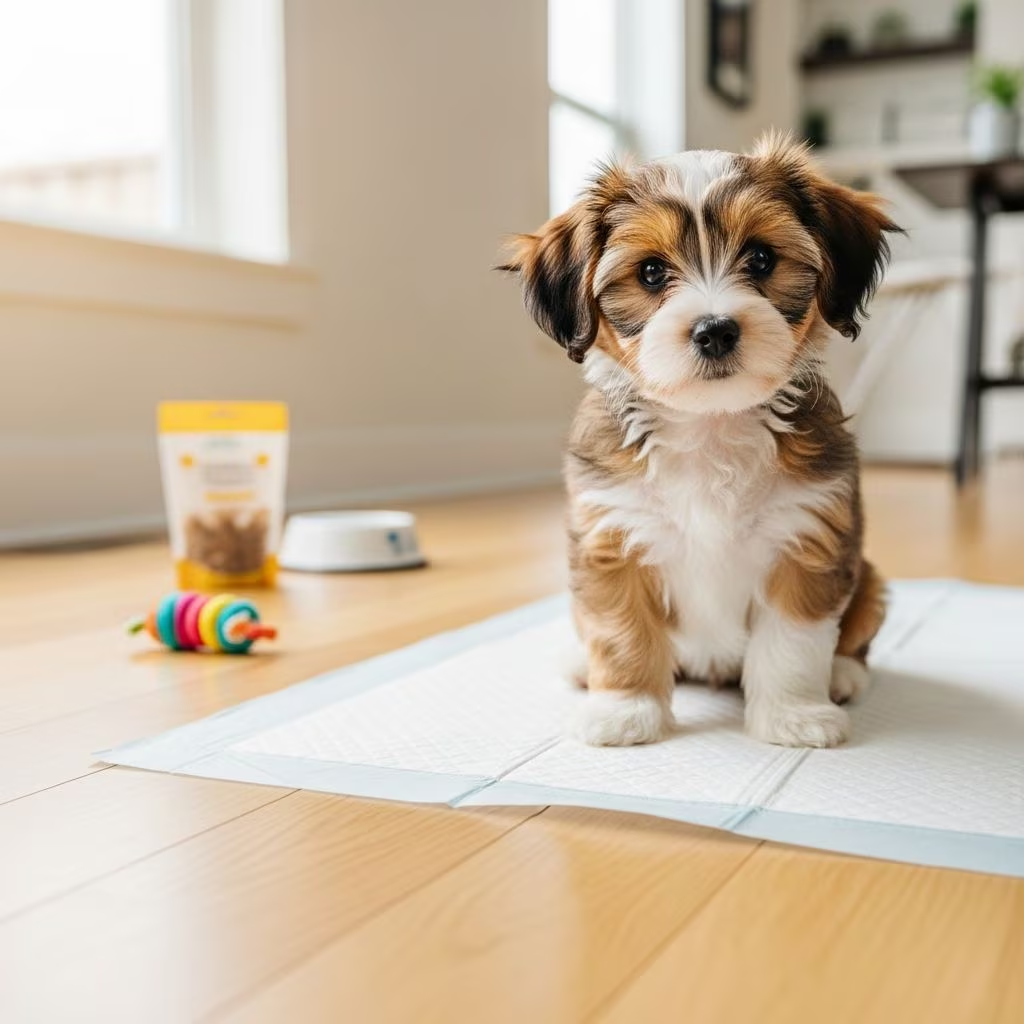
Potty training a Havanese puppy requires dedication, but their intelligence makes success achievable. These small, affectionate dogs thrive on routine and positive feedback, turning housebreaking into a bonding experience that prevents indoor accidents and builds good habits early.
Understanding the Havanese Temperament in Training
Havanese are smart and eager to please, yet their tiny bladders and playful nature can challenge potty efforts. Toy breeds like them often need more frequent outings than larger dogs, but consistency speeds up the process. Patience is key, as young pups under 8 weeks may only hold for 2 hours, improving with age.
Expect variations: some Havanese grasp concepts in weeks, while others take months. Factors like prior environment—such as confinement in mills—can delay progress, but structured methods overcome this.
Essential Tools and Setup for Success
Gather supplies before starting: a properly sized crate, enzyme-based cleaners, high-value treats, a leash, and optional bells for signaling. The crate should allow standing and turning but not excess space, preventing corner soiling.
- Crate: Wire or plastic, sized for adult Havanese (about 24 inches long).
- Cleaner: Enzymatic products erase scents completely.
- Treats: Small, soft pieces for immediate rewards.
- Bells: Hang low for paw-touch training.
Designate one outdoor spot with consistent grass or texture to reinforce location memory.
Building a Solid Daily Routine
Structure revolves around feeding, play, and sleep cycles. Feed 3 times daily at set hours to predict elimination times, avoiding free-feeding.
| Time of Day | Activity | Potty Check |
|---|---|---|
| Morning (wake-up) | Immediate outdoor trip | High priority |
| After meals | 10-15 min wait, then out | Essential |
| Every 2 hours (pups) | Supervised play then potty | Mandatory |
| Before bed | Last outing, no water 2-3 hrs prior | Critical |
For adults, extend to 4-6 hours. Nighttime: limit water evenings and set alarms for young pups.
Crate Training Fundamentals
Crate training leverages natural aversion to soiling dens. Introduce gradually: meals inside, short stays with toys, building to hours.
- Place crate in family area for comfort.
- Feed inside, praise exits.
- Start 5-minute sessions, increase slowly.
- Night: crate near bed for whining alerts.
Avoid punishment; use for safe confinement when unsupervised. Success rate boosts as pups signal needs.
Spotting and Responding to Potty Signals
Watch for cues to preempt accidents: sniffing, circling, whining, door-scratching, or restlessness. Interrupt calmly—’outside!’—and lead promptly.
- Visual signs: Squatting or leg-lifting prep.
- Behavioral: Pacing or sudden stillness.
- Auditory: Barking or pawing.
Act fast without scolding; rushing builds reliability.
Positive Reinforcement Techniques
Rewards cement habits. Praise lavishly (‘good potty!’) and treat immediately post-elimination outdoors. Ignore indoor slips—clean silently.
Progress markers: jackpots (multiple treats) for perfect days. Consistency across family prevents confusion.
Implementing Potty Cues and Bell Training
Teach ‘go potty’ as they eliminate: say cue, praise finish, reward. For communication, bell train: touch pup’s paw to bells before outings, repeating until self-initiated.
- Hang bells at door height.
- Guide paw to ring, open door, potty spot.
- Praise ringing + outdoor success.
- Fade guidance over weeks.
This empowers independence, ideal for apartments.
Cleaning Up Accidents Properly
Enzymatic cleaners neutralize odors fully, deterring repeats. Blot, apply, let sit, rinse. Avoid ammonia-based products mimicking urine.
Block access to soiled areas temporarily. Track patterns for schedule tweaks.
Handling Challenges and Setbacks
Regression happens during teething or stress. Revert to basics: more outings, supervision. Medical issues? Consult vets for UTIs.
- Stubborn pups: Shorten crate times, add play rewards.
- Night accidents: Earlier dinner, midnight breaks.
- Adolescents: Every 3-4 hours, reinforce cues.
If stalled after 4-6 weeks, seek professional trainers.
Alternatives for Special Situations
Apartments: potty pads or litter boxes as interim, transitioning outside. Place away from food/sleep, praise use.
Seniors or rescues: Frequent short trips, gentle crate reintroduction.
Long-Term Maintenance
Once reliable (6+ months), extend freedoms gradually. Maintain cues for travel or visitors. Annual vet checks ensure health supports continence.
Frequently Asked Questions
How long does it take to potty train a Havanese?
Typically 4-6 months for full reliability, varying by age and consistency. Pups under 12 weeks progress weekly with diligence.
Can adult Havanese be potty trained?
Yes, though prior habits influence speed. Treat as puppy: frequent outs, rewards.
What if my Havanese has frequent accidents?
Rule out health issues first, then tighten schedule and supervision.
Is crate training cruel?
No, when done right—short durations, positive associations. It’s a safe space.
Should I wake my puppy at night?
For under 12 weeks, yes, every 4 hours initially, weaning as bladder grows.
References
- How to Potty Train Your Havanese Puppy — Family Puppies. N/A. https://www.family-puppies.com/how-to-potty-train-your-havanese-puppy/
- How to Potty Train a Havanese: 10 Vet-Approved Tips — Dogster. N/A. https://www.dogster.com/dog-training/how-to-potty-train-a-havanese
- Housebreaking your Havanese — Havanese ABC. N/A. https://www.havaneseabc.com/housebreaking.html
- Potty Training a Havanese | Q&A — YouTube. N/A. https://www.youtube.com/watch?v=U-kI56QIfuY
- Dog Training Tips – Havanese Florida — Island Havanese. N/A. https://www.islandhavanese.com/dog-training-tips
- How we trained our Havanese to use a doorbell — YouTube. N/A. https://www.youtube.com/watch?v=kAO4sF1BWSI



