

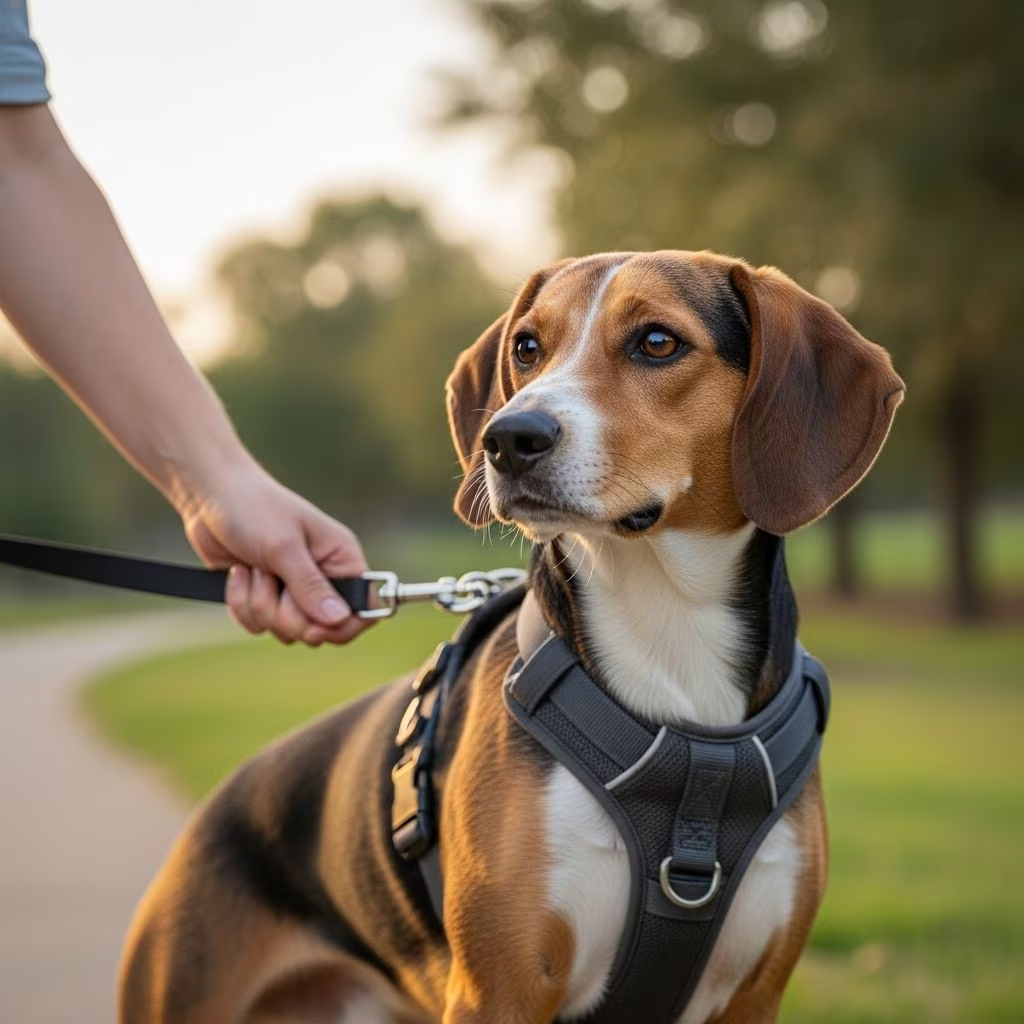
Teaching your dog to wear and accept a harness is one of the most valuable skills you can develop as a pet owner. A well-fitted harness provides safety, comfort, and control during walks while distributing pressure evenly across your dog’s chest and shoulders rather than concentrating force on the neck. Whether you’re working with a young puppy, an adult dog transitioning from a collar, or a rescue animal with previous negative experiences, the process of harness training requires patience, consistency, and an understanding of your dog’s individual temperament.
The journey toward successful harness training begins long before you ever clip a leash to the hardware. It starts with understanding your dog’s unique personality, fears, and motivations, and then building a training plan that works specifically for them.
Understanding Your Dog’s Starting Point
Before introducing any harness equipment, take time to assess your dog’s current comfort level with handling and new objects. Some dogs have been touched and handled extensively throughout their lives and will approach a harness with curiosity rather than fear. Others may have had limited positive experiences with hands-on interaction or may have developed anxieties around restraint-like equipment.
Understanding where your dog falls on this spectrum will help you determine the pace at which to proceed. Dogs that are already comfortable with being touched can often progress through harness training more quickly, while dogs with handling sensitivities or fears require a much slower, more deliberate approach broken into smaller incremental steps.
Pay close attention to your dog’s body language as you begin the process. Signs of stress, tension, or avoidance should signal you to slow down and spend more time on the current step before moving forward.
Selecting the Right Harness for Your Dog
Choosing an appropriately sized and styled harness is crucial to your training success. The harness must be comfortable, properly fitted, and suited to your dog’s specific needs and body type.
Key considerations when selecting a harness include:
- Your dog’s size, weight, and body structure
- Your dog’s age and stage of development
- Any physical sensitivities or behavioral challenges your dog experiences
- The primary purpose for the harness (daily walks, running, control during reactive moments)
- Ease of putting on and taking off the harness
Harnesses come in multiple styles, each designed for different purposes and dog temperaments. Step-in harnesses require your dog to place their front paws into openings before the straps fasten at the back. Over-the-head harnesses slip down from above and typically fasten underneath the dog’s body. Front-clip harnesses feature the leash attachment point on the dog’s chest, providing redirectional control for dogs that pull aggressively during walks. Back-clip harnesses attach the leash at the shoulder blades and work well for calm dogs during leisurely walks.
For dogs prone to pulling, a front-clip design offers significant advantages by gently redirecting their forward momentum to the side when they lunge, naturally encouraging them to walk closer to your side without harsh corrections.
Creating Initial Comfort with the Harness
The foundation of harness training rests on positive association. Your dog needs to learn that the appearance of the harness predicts good things: treats, praise, playtime, and enjoyable walks.
Begin the desensitization process with these steps:
- Leave the harness in an accessible area where your dog can approach it at their own pace
- Place treats directly on the harness to encourage investigation
- Praise and reward your dog each time they show interest in the equipment
- Allow your dog to sniff, touch, and explore the harness without any pressure to wear it
- Gradually feed treats through the harness openings to build positive associations
This introductory phase should span several days or even weeks, depending on your dog’s temperament and previous experiences. There is no benefit to rushing this stage. Each positive interaction your dog has with the harness strengthens their willingness to cooperate in future training sessions.
Conduct these initial exposure sessions in a calm, quiet environment where your dog feels safe and there are minimal distractions. The goal is to create an emotional shift where your dog begins to anticipate positive outcomes when they see the harness.
Mastering the Proper Fitting Process
Achieving a correct fit is absolutely essential for both safety and comfort. An improperly fitted harness can cause chafing, restrict movement, create discomfort, or even allow your dog to escape during walks.
Follow these guidelines for optimal harness fit:
- The harness should be snug against your dog’s body but never tight or restrictive
- You should be able to slide exactly two fingers between the harness straps and your dog’s skin
- The harness should allow full range of motion for your dog’s legs, shoulders, and neck
- Your dog should be able to pant, bark, and lie down without pinching or discomfort
- Straps should lay flat and evenly without twisting or bunching
- All clips and fasteners should be securely engaged
When first putting the harness on your dog, use a high-value treat to lure them into the appropriate position. For step-in harnesses, encourage your dog to place their front paws into the openings by holding treats at ground level. For over-the-head styles, slowly guide the harness down while offering treats and praise.
Check the fit immediately after fastening and periodically throughout the walk. Growing puppies may need adjustment as they develop, and changes in your dog’s weight may require harness size modifications.
Building Confidence Through Short Practice Sessions
Consistency and brevity form the cornerstones of effective harness training. Rather than attempting long practice sessions that may overwhelm or bore your dog, focus on multiple short training periods distributed throughout your day.
Recommended training session structure:
- Begin with 5-10 minute sessions during the introduction phase
- Conduct 2-4 short practice sessions per day
- Gradually increase duration as your dog demonstrates comfort
- Always end on a positive note before your dog becomes frustrated or tired
- Make harness time an integrated part of your daily routine
During these early sessions, have your dog wear the harness while engaging in enjoyable activities like indoor play, trick training, or simply relaxing nearby. This approach conditions your dog to associate the harness with normal, pleasant parts of their day rather than perceiving it as something unusual or stressful.
Introducing Leash Walking and Movement
Once your dog demonstrates comfort wearing the harness indoors without the leash, you’re ready to attach the lead and begin teaching leashed walking skills.
Key principles for successful leash introduction:
- Start in distraction-free environments like your backyard or quiet rooms
- Keep your initial walks extremely short and slow-paced
- Use abundant treats and verbal praise when your dog walks calmly beside you
- Gently guide your dog back to your side if they attempt to move away
- Practice loose-leash walking where the lead remains slack during calm walking
Teach your dog that walking beside you on a slack leash results in positive rewards. When your dog begins pulling or straining, stop moving entirely. Wait for your dog to release tension and return to your side, then immediately resume walking. This stop-start technique helps your dog understand the direct connection between their behavior and your response.
Gradually introduce mild distractions as your dog becomes proficient at maintaining loose-leash walking in calm environments. A park with other dogs at a distance, a quiet street with light foot traffic, or a training facility designed for this purpose all provide appropriate environments for expanding your dog’s skills.
Addressing Pulling and Leash Resistance
Many dogs instinctively pull forward on the leash, particularly when excited or motivated by environmental stimuli. Front-clip harnesses prove especially effective for managing this behavior because they naturally redirect a pulling dog’s momentum toward your side rather than allowing them to charge forward.
| Challenge | Front-Clip Harness Solution | Training Approach |
|---|---|---|
| Forward pulling | Redirects to the side, reducing forward progress | Reward loose-leash behavior with treats |
| Lunging at distractions | Provides improved control and directional guidance | Use “Easy” command with immediate praise when dog releases |
| Escape attempts | Reduces likelihood of backing out due to chest attachment | Maintain consistent, calm corrections |
When addressing pulling, implement a clear verbal cue such as “Easy” or “Walk” each time your dog begins straining. The moment your dog relaxes and returns to your side, immediately deliver treats and enthusiastic praise. This positive reinforcement teaches your dog that releasing tension on the leash produces the rewards they desire.
Patience and consistency matter far more than forceful corrections. Dogs respond better to understanding what behavior earns rewards than to punishment-based approaches that may increase anxiety around the harness and leash.
Managing Anxiety and Fear Responses
Some dogs display genuine fear or anxiety when first encountering the harness. Rather than forcing the equipment onto a frightened dog, respect their emotional state and proceed even more gradually than you would with a confident dog.
For anxious dogs, implement these modified techniques:
- Work in even smaller incremental steps than standard training suggests
- Allow several days between introducing new aspects of the harness
- Use the absolute highest-value treats your dog’s diet permits
- Never force the harness onto your dog or physically restrain them during fitting
- Celebrate tiny improvements with enthusiasm and extra rewards
- Consider consulting a certified professional dog trainer or veterinary behaviorist if fear seems severe
An anxious dog that receives pressure to wear a harness may develop lasting negative associations with the equipment, making training significantly more difficult. Conversely, a fearful dog that progresses at their own pace and experiences only positive outcomes gradually builds confidence and acceptance.
Incorporating Basic Obedience Commands
Teaching and reinforcing fundamental obedience commands strengthens your harness training by giving you reliable ways to redirect and manage your dog’s behavior during walks.
Commands that enhance harness training include:
- Sit: Allows you to pause walks and give your dog a break while maintaining control
- Stay: Helps manage excitement before walks begin or when encountering distractions
- Come: Provides crucial safety if your dog ever slips the harness
- Heel: Teaches your dog to maintain close proximity to your side
Practice these commands during harness walks using the same treat-based positive reinforcement that made harness introduction successful. For example, when your dog begins pulling toward a distraction, ask for a quick sit-stay. This refocuses their attention on you and reminds them of appropriate behavior while also giving both of you a moment to recover and reset.
Transitioning to Regular Walks and Environments
After your dog has demonstrated consistent comfort and appropriate walking behavior in controlled environments, gradually introduce more challenging and stimulating settings.
Progress from quiet indoor spaces to calm outdoor areas, then to busier environments with increasing levels of distractions. Each new location represents a learning opportunity where you’ll continue reinforcing appropriate behavior with treats and praise while remaining attentive to signs of stress or anxiety.
Maintain consistency with your training techniques throughout these transitions. Even experienced dogs sometimes regress when encountering novel environments, so patience and positive reinforcement remain your most valuable tools.
Troubleshooting Common Harness Training Challenges
My dog backs away when they see the harness: Return to the initial desensitization phase. Leave the harness out during positive activities and reward any interest your dog shows. Avoid attempting to put it on for several additional days.
My dog seems uncomfortable or changes their gait when wearing the harness: Check the fit carefully. Ensure straps aren’t twisted, the harness isn’t too tight, and there’s no chafing against the skin. If fit is correct and discomfort persists, consult your veterinarian to rule out underlying physical issues.
My dog displays aggression or extreme anxiety: Professional guidance becomes essential when emotional responses are severe. A certified trainer or veterinary behaviorist can assess your dog’s specific situation and develop a customized training plan.
My dog seems to regress after initial progress: Regression often occurs when training pace accelerates too quickly or when distractions become overwhelming. Scale back to previous successful steps and rebuild more gradually.
FAQs About Dog Harness Training
Q: How long does harness training typically take?
A: Timeline varies considerably based on your dog’s age, temperament, and previous experiences. Confident dogs may adapt in 1-2 weeks, while anxious or fearful dogs may require 4-8 weeks of patient, consistent training.
Q: Can I harness train an adult dog?
A: Absolutely. Dogs of any age can learn to wear and accept a harness, though older dogs with previous negative experiences may require more time and patience than puppies.
Q: Should I use a harness or collar for daily walks?
A: Harnesses distribute force across larger surface areas and provide better control, making them generally preferable for daily walks, particularly for dogs prone to pulling or with respiratory sensitivities.
Q: What if my dog escapes their harness?
A: Escape indicates an improper fit. Check that the harness is snug enough (two-finger test) and that all fasteners are completely engaged. Consider a front-clip harness if your dog consistently escapes back-clip styles.
Q: Can I leave a harness on my dog all day?
A: While brief periods are fine, avoid leaving a harness on for extended periods as it can cause chafing and restrict natural movement. Remove the harness when your dog is resting at home.
References
- How to Harness Train a Dog: Easy Steps for Effective Training — Bewdogs. https://bewdogs.co.uk/blog/how-to-harness-train-a-dog/
- No-Pull Harness Training Tips and Techniques: A Comprehensive Guide — Canada Pooch. https://canadapooch.com/blogs/news/no-pull-harness-training-tips-and-techniques
- Training a Fearful Dog to Wear a Harness (Part 1) — Dogkind Training. https://www.dogkindtraining.com/blog/harness-training-part-1
- How To Train Your Dog to Wear a Harness for Walks — Rover.com. https://www.rover.com/blog/harness-train-dog/
- Transitioning from a Collar to a Harness: A Step-by-Step Guide — For Dog Trainers. https://www.fordogtrainers.com/blog/transition-from-collar-to-harness/



