Mastering Hand-Rearing of Nestling Birds
Discover essential techniques, nutrition, and care tips for successfully raising orphaned baby birds into healthy adults.
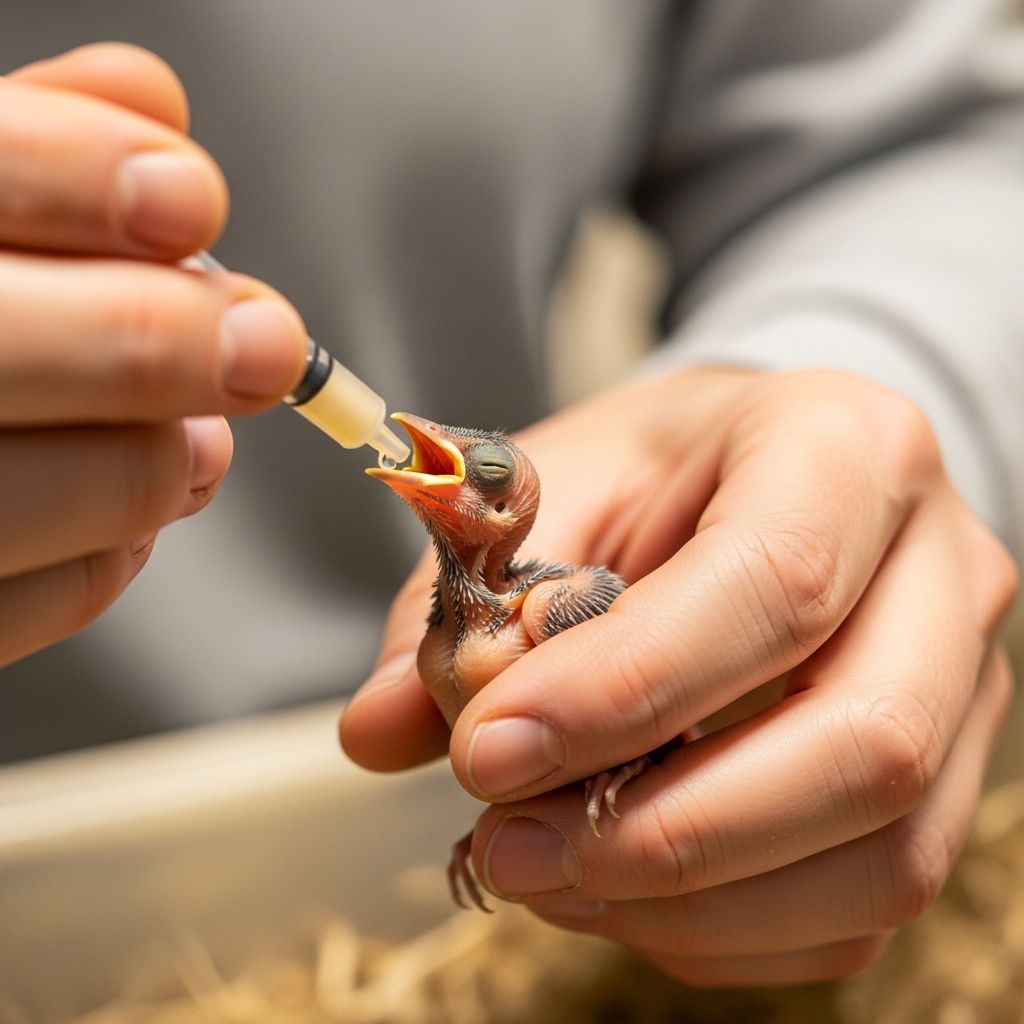
Hand-rearing nestling birds offers a rewarding opportunity to nurture young avians that have been orphaned or rejected by their parents. This process demands precision, patience, and a deep understanding of avian biology to mimic natural parental care effectively. Successfully raised birds often develop stronger bonds with humans, making them excellent companions while reducing innate fears of everyday environments.
Understanding the Needs of Orphaned Nestlings
Before embarking on hand-rearing, assess the bird’s age and condition. Nestlings, with closed eyes and sparse feathers, require intensive care, while fledglings with emerging flight feathers need less frequent interventions. Early involvement from experienced aviculturists or veterinarians is crucial, as improper handling can lead to aspiration pneumonia or developmental issues.
Maintain optimal environmental conditions to support growth. Baby birds are poikilothermic initially, relying on external heat sources. Use a brooder set at 32°C for hatchlings, gradually reducing by 1°C weekly until fully feathered, at which point active heating can cease. Line the brooder with textured materials like paper towels to prevent splayed legs, a common deformity from smooth surfaces.
Setting Up the Ideal Brooder Environment
A well-designed brooder mimics the nest’s security and warmth. Opt for a sturdy container with secure lids to avoid escapes or entanglements. Monitor humidity at 50-60% to prevent dehydration, and ensure ventilation without drafts.
- Temperature control: Employ a thermostat-controlled heat lamp or pad, checking levels multiple times daily.
- Substrate choice: Disposable liners changed frequently maintain hygiene and provide grip.
- Space progression: Start confined to prevent injury, expanding as fledging approaches to encourage exercise.
- Lighting: Provide 12-14 hours of soft light daily to regulate circadian rhythms.
Enrichment from early stages stimulates natural behaviors. Introduce safe toys or perches as feathers develop, fostering curiosity and motor skills.
Selecting and Preparing Nutritious Formulas
Nutrition forms the cornerstone of hand-rearing success. Commercial hand-feeding formulas, mixed with hot, clean water to a yogurt-like consistency, provide balanced electrolytes, proteins, and fats. Avoid homemade recipes unless in emergencies, as they risk nutritional imbalances.
Formula temperature is critical—warm to 39-41°C to trigger feeding responses without scalding. Stir thoroughly to eliminate lumps, which could obstruct airways. Store unused portions refrigerated for up to 24 hours, reheating gently each use.
| Species Example | Daily Feed Volume (ml per 100g body weight) | Frequency |
|---|---|---|
| Parrot Hatchlings | 10-15 | Every 2-3 hours |
| Songbird Nestlings | 8-12 | Every 1-2 hours |
| Fledglings | 5-10 | 3-5 times daily |
Track weight gains daily; aim for 5-10% increases to gauge health.
Proven Hand-Feeding Techniques
Stimulate the innate feeding response by gently pressing the soft pads at the beak’s commissures, prompting head-bobbing that seals the trachea for safe ingestion. Use syringes for precision, allowing controlled flow rates.
Syringe Feeding Method
Hold the bird’s head lightly with one hand, thumb and index finger on the pads. Position the syringe tip midway along the beak’s side, dispensing drops onto the tongue. Follow the bird’s bobbing motion without restraint to avoid stress or injury.
- Prepare 1cc initially for new birds to acclimate.
- Squirt swiftly yet calmly, then release immediately.
- Return to brooder for processing; resume handling after 5 minutes.
Spoon Feeding for Beginners
Ideal for novices, fashion a small spoon from a chopstick for safety. Scoop formula, insert into the open beak, and allow self-feeding. This minimizes aspiration risks but demands patience.
Advanced Crop Tube Option
Reserve for experienced handlers; insert a lubricated tube directly into the crop, bypassing the mouth. Monitor for regurgitation to prevent issues.
Feed hungry birds only, observing crop emptying between sessions—full crops should yield to gentle finger pressure.
Hygiene Protocols to Prevent Infections
Cleanliness averts bacterial overgrowth, a primary mortality cause. Sterilize syringes and utensils post-use with boiling water or veterinary disinfectants. Change brooder linings after each feeding, washing hands meticulously. Quarantine new birds to curb disease spread.
Monitoring Health and Growth Milestones
Weigh daily on a digital scale, charting progress. Healthy nestlings exhibit alert postures, clean vents, and steady weight gains. Warning signs include lethargy, fluffed feathers, or pasty vents—consult an avian vet promptly.
- Crop check: Empty within 1-4 hours.
- Feather development: Pin feathers emerge by week 2-3.
- Fledging: Wing exercises begin around week 4-6.
Transitioning to Weaning
Weaning bridges dependency to independence. Introduce solid foods like pellets, fruits, and vegetables around 3-4 weeks, coinciding with parental removal recommendations.
Reduce hand-feeds gradually: withhold midday first, then mornings, observing self-feeding cues. Offer foods in shallow dishes; model eating by placing samples near the beak. Social learning accelerates via observing peers.
Expect resistance; persist patiently, ensuring caloric needs via optional evening top-ups. Full weaning typically completes by 8-12 weeks, species-dependent.
Socialization and Behavioral Development
Hand-rearing fosters tame adults. Handle post-feeding sessions build trust, exposing birds to household sounds and gentle interactions. Avoid over-stimulation; balance with rest periods.
Post-fledging, provide flight cages for muscle toning. Group housing with compatible birds encourages natural flocking.
Frequently Asked Questions (FAQs)
What if the baby bird refuses formula?
Ensure correct temperature and stimulate pads firmly. If persistent, check for illness via vet exam.
How often should I feed a hatchling?
Every 1-2 hours daytime, extending intervals at night as crop capacity grows.
Can I hand-rear wild birds?
Licensing may be required; prioritize rehabilitation centers for best outcomes.
What causes splayed legs?
Slippery brooder floors; correct with textured substrates immediately.
When to seek veterinary help?
Weight loss, respiratory distress, or crop stasis warrant urgent care.
Long-Term Care After Weaning
Transition to spacious aviaries with perches, toys, and foraging opportunities. Maintain balanced diets: 70% pellets, 20% veggies, 10% fruits. Annual vet check-ups monitor health.
Hand-reared birds thrive with routine, mental stimulation, and affection, repaying care with lifelong companionship.
References
- The Science of Handfeeding and Weaning the Baby Parrot: Section Two — Aviator Harness. Accessed 2026. https://www.aviatorharness.com/blog-feed/the-science-of-handfeeding-and-weaning-the-baby-parrot-section-two
- Hand-Feeding Baby Birds — VCA Animal Hospitals. Accessed 2026. https://vcahospitals.com/know-your-pet/hand-feeding-baby-birds
- Hand Feeding — Kaytee. Accessed 2026. https://www.kaytee.com/learn-care/pet-birds/hand-feeding
- How to hand feed a baby bird — YouTube (Transcript). Accessed 2026. https://www.youtube.com/watch?v=rRAAaGx00e0
- Hand Rearing Companion Birds — Unusual Pet Vets. 2021-12. https://www.unusualpetvets.com.au/wp-content/uploads/2021/12/hand-rearing-companion-birds.pdf
Similar Articles




Read full bio of medha deb