

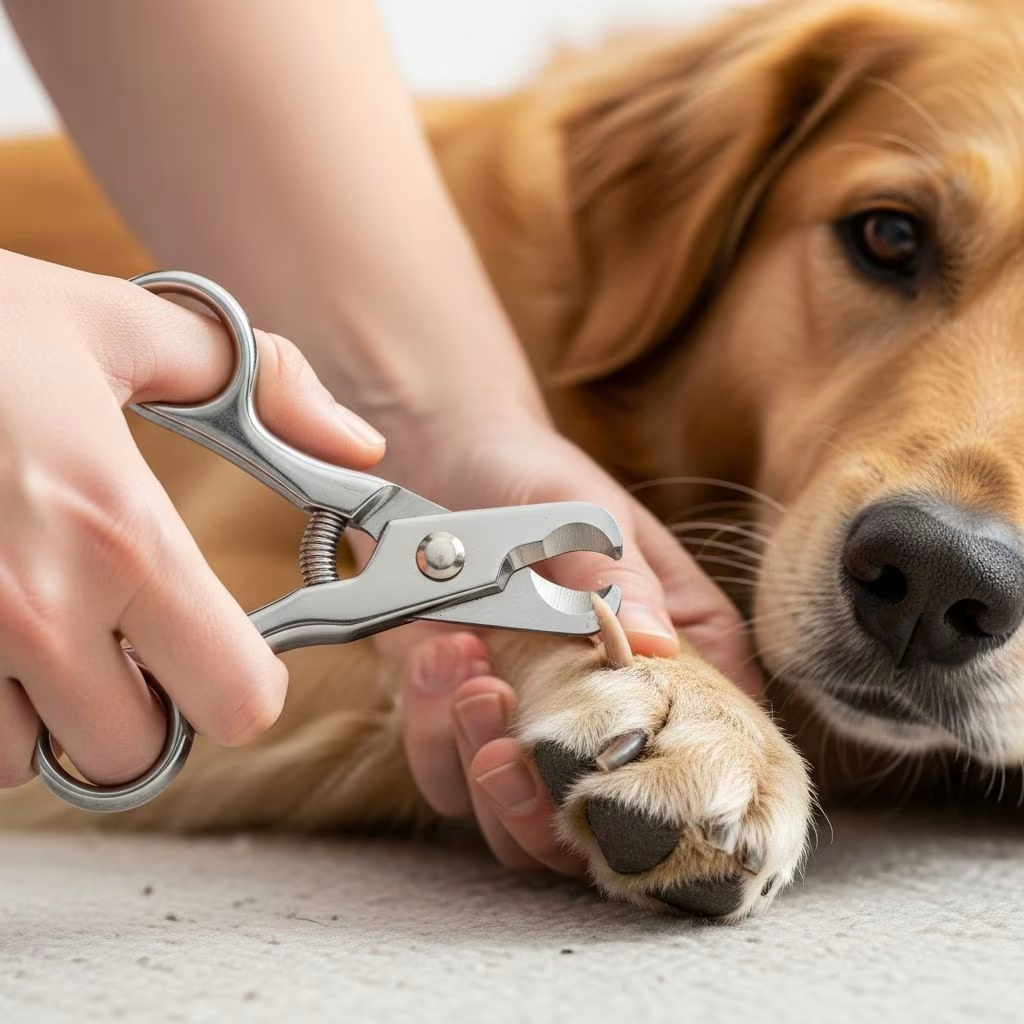
Guillotine nail clippers offer a precise and efficient way to maintain your dog’s paw health at home. These tools, designed with a blade mechanism that slices through nails cleanly, help prevent overgrown nails that can cause discomfort, poor posture, and mobility issues in pets.
Why Regular Nail Maintenance Matters for Canines
Overgrown dog nails split, snag on surfaces, or force unnatural walking patterns, leading to joint strain and potential injuries. Active dogs walking on rough terrain naturally file their nails, but indoor pets or those on soft surfaces often need manual trimming every 3-6 weeks. Proper nail length supports weight distribution, reduces arthritis risk, and enhances grip.
Neglecting this leads to visible signs like nails clicking loudly on floors or curling under paws. Early intervention prevents complications, making guillotine clippers a pet owner’s essential tool for proactive care.
Understanding Canine Nail Anatomy
Dog nails consist of a hard outer keratin shell encasing the quick, a sensitive inner core with blood vessels and nerves. In light nails, the quick appears pink; in dark ones, it’s concealed, requiring cautious trimming.
- Outer nail: Tough, non-sensitive layer ideal for clipping.
- Quick: Vascular core; cutting it causes pain and bleeding.
- Dewclaws: Inner paw nails prone to overgrowth, needing separate attention.
Visualize the nail’s curve: trim only beyond it to avoid the quick. For dark nails, check cut surfaces for a grayish center signaling proximity.
Selecting the Ideal Guillotine Clippers
Guillotine clippers feature a stationary blade and sliding guillotine that severs the nail with lever pressure, suiting small to medium dogs with thinner nails. Key features include:
| Feature | Benefit |
|---|---|
| Sharp stainless steel blades | Clean cuts without crushing |
| Ergonomic handles | Reduced hand fatigue |
| Locking mechanism | Safe storage |
| Size options (small/medium/large) | Matches breed and nail thickness |
Compare to scissor types for thicker nails or grinders for smoothing. Always pair with styptic powder for mishaps.
Preparing Your Dog for Trimming Sessions
Desensitization builds tolerance from puppyhood. Regularly touch paws cheerfully to normalize handling. A phased introduction prevents fear:
- Day 1: Let dog sniff clippers; reward with treats.
- Day 2: Lightly touch paws with tool; praise lavishly.
- Day 3: Mimic clipping sound/vibration without cutting; treat immediately.
- Day 4+: Progress to brief holds, rewarding calm behavior.
Use distractions like lick mats with peanut butter in quiet spaces. Positive reinforcement turns grooming into a bonding ritual.
Step-by-Step Guide to Safe Trimming
Position dog naturally on a non-slip surface, keeping paws low to avoid strain. Isolate one toe:
- Gently press pad upward and skin forward to extend nail.
- Position guillotine at a 45-degree angle matching nail growth.
- Clip tiny tips (1-2mm), straight across, avoiding fur interference.
- Inspect cut: stop if quick nears.
- Repeat per nail, including dewclaws; limit to 2-4 per session if needed.
- Reward throughout.
For anxious dogs, enlist a helper for restraint or use calming aids.
Advanced Techniques for Challenging Nails
Dark or overgrown nails demand patience. Trim weekly in micro-amounts to recede the quick gradually. Grinding complements clipping:
- Support toe firmly.
- Grind tip edges briefly (5 seconds max).
- Avoid overheating; pause often.
For split nails, file edges post-clip. Black nails? Shine a light underneath to spot the quick’s shadow.
Handling Mishaps and Bleeding
Cutting the quick is common but manageable. Stay composed:
- Apply styptic powder firmly; it clots instantly.
- No powder? Use cornstarch or flour, pressing 2-3 minutes.
- Comfort dog verbally; end session positively.
Bleeding stops quickly; monitor for infection. Frequent accidents signal dull blades—replace promptly.
Fostering Long-Term Grooming Habits
Consistency yields results. Track trim frequency via app notes. Puppies learn fastest; adults improve with routine. Benefits include:
- Stronger paw muscles from regular handling.
- Reduced vet grooming costs.
- Enhanced trust in owner.
Pro signs of professional help: extreme fear, curved nails, or health issues.
Common Mistakes and Prevention Strategies
| Mistake | Consequence | Fix |
|---|---|---|
| Clipping too much at once | Quick injury | Micro-trims only |
| Lifting paw high | Discomfort/injury | Keep natural position |
| Dull blades | Crushing/pain | Sharpen/replace |
| No rewards | Fear buildup |
Frequently Asked Questions
How often should I trim my dog’s nails?
Every 3-6 weeks, or when they touch the floor. Adjust for lifestyle.
Can I use human clippers on dogs?
No; they crush nails. Opt for pet-specific guillotine types.
What if my dog hates paw handling?
Desensitize gradually with treats over days.
Is grinding better than clipping?
Grinding smooths; clipping shortens. Combine for best results.
How to shorten an overgrown quick?
Frequent small trims over weeks recede it safely.
Tools and Supplies Checklist
- Guillotine clippers (sharp, sized right).
- Styptic powder/cornstarch.
- Treats/lick mat.
- File/grinder.
- LED light for dark nails.
- Towel for stability.
Incorporate these for foolproof sessions. Regular practice ensures healthy, happy paws year-round.
References
- Trim Your Dog’s Nails Safely: Tips, Tricks, and Grooming — American Kennel Club (AKC). 2023-10-15. https://www.akc.org/expert-advice/health/how-to-trim-dogs-nails-safely/
- Dog Nail Care: Tips for Safe and Stress-Free Trims — DCC Pets. 2024-05-20. https://dccpets.in/pet-care-blog/dog-nail-trims-tips-to-avoid-accidents
- How To Trim Dog Nails — PetMD. 2024-02-12. https://www.petmd.com/dog/general-health/how-to-trim-dog-nails
- Keeping Your Dog’s Nails Trimmed is Essential for Health and Safety — The Dog Stop. 2023-11-08. https://thedogstop.com/blog/keeping-your-dogs-nails-trimmed-is-essential-for-health-and-safety/
- 5 Safety Tips for Trimming Dog Nails — All Star Pet Resort. 2023-07-19. https://allstarpetresort.com/5-safety-tips-trimming-dog-nails/



