Fish Tank Cleaning: 12 Essential Steps For A Pristine Aquarium
Discover proven techniques to maintain a pristine aquarium environment for healthy fish with our detailed step-by-step guide.
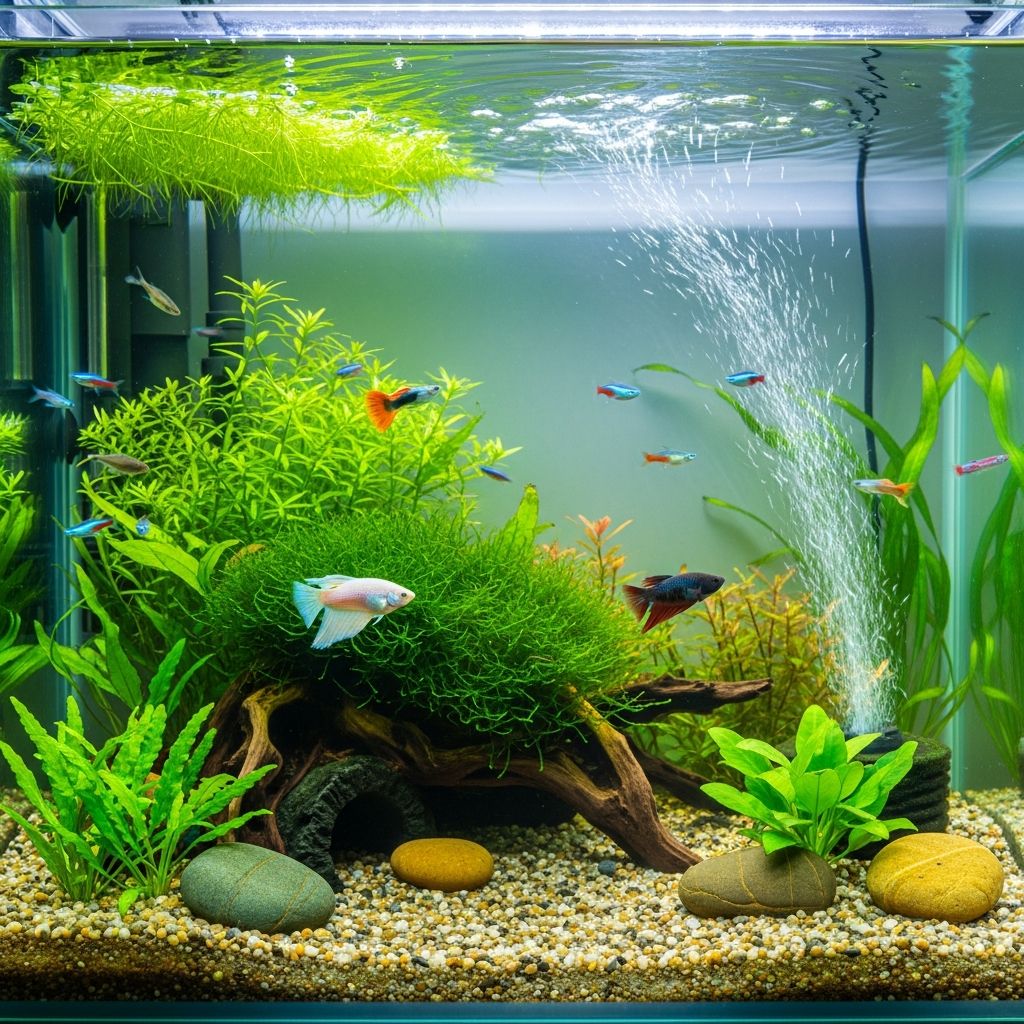
Mastering Fish Tank Cleaning
Keeping your aquarium in top condition is vital for the well-being of your fish. Regular cleaning prevents toxin buildup, controls algae, and supports beneficial bacteria. This guide outlines a complete approach to tank upkeep, from daily checks to thorough weekly sessions, ensuring a balanced ecosystem.
Why Routine Aquarium Maintenance Matters
A dirty tank leads to poor water quality, stressing fish and promoting disease. Waste from fish, uneaten food, and decaying plants release ammonia, which converts to nitrites and nitrates harmful in excess. Consistent cleaning stabilizes parameters like pH, temperature, and oxygen levels.
Experts recommend 10-25% water changes weekly for established tanks, adjusting based on bioload. Overcrowding or heavy feeding increases frequency needs. Monitoring with test kits reveals when action is required, preventing crashes.
Gathering Essential Cleaning Supplies
Prepare tools dedicated solely to aquarium use to avoid contamination:
- Gravel vacuum or siphon hose for substrate debris.
- Algae scraper or magnetic cleaner suited for glass or acrylic.
- Bucket for waste water (never reuse for other purposes).
- Dechlorinator to neutralize tap water chemicals.
- Soft brushes or toothbrushes for decorations.
- Thermometer to match water temperatures.
- Test kits for ammonia, nitrite, nitrate, and pH.
Invest in a Python siphon system for larger tanks to simplify draining without lifting heavy buckets. Always use aquarium-safe products; household cleaners kill beneficial microbes.
Step-by-Step Weekly Cleaning Process
Perform these steps with fish in the tank to minimize stress. Aim for 20-30% water removal.
- Hygiene First: Scrub hands and arms thoroughly. Residues like lotions introduce toxins.
- Power Down: Unplug filters, heaters, lights, and UV sterilizers. Shut sump valves to prevent dry runs.
- Decor Removal: Extract plastic plants, rocks, and ornaments. Rinse in hot tank water with a dedicated brush. Soak algae-covered items briefly; avoid soap.
- Glass Wiping: Scrape algae from interior surfaces. Use glass pads for aquariums, softer ones for acrylic to prevent scratches.
- Substrate Vacuuming: Siphon waste by hovering the tube over gravel, lifting to release clean substrate while capturing detritus. Target corners and under decor. Stop at 25-40% volume to avoid shocks.
- Filter Maintenance: Gently squeeze media in dirty tank water, not tap. Retain bacteria colonies. Replace only worn portions (under 1/3).
- Heater Check: Wipe calcium buildup with vinegar-soaked cloth if needed.
- Fresh Water Prep: Fill bucket with dechlorinated, temperature-matched water. Add conditioner per instructions; for big volumes, dose incrementally.
- Refill Gently: Pour slowly or use a pitcher to avoid currents stressing fish.
- Reassemble: Reposition decor, prime filter by adding tank water, reconnect power.
- Final Inspection: Observe fish behavior, check equipment sounds, test parameters post-change.
- Clean Up: Wash hands again to prevent cross-contamination.
Handling Special Tank Types
| Tank Type | Key Adjustments |
|---|---|
| Freshwater | Weekly 25% changes; focus on ammonia control. |
| Saltwater | Match salinity in replacement water; circulate salt 5 minutes. |
| Planted | Use waste water as fertilizer; gentler vacuuming to spare roots. |
| Bare Bottom | Full siphon possible; easier waste removal. |
Acrylic tanks demand non-abrasive tools; reef setups prioritize live rock stability.
Deep Cleaning: When and How
Reserve full teardowns for severe issues like hydrogen sulfide odor (rotten egg smell from thin substrate). Relocate fish to a cycled holding tank with filtration.
- Drain completely.
- Remove all substrate if anaerobic pockets exist; rinse thoroughly.
- Scrub every surface.
- Reassemble with fresh media, seeding bacteria from old filter.
- Reintroduce fish gradually after cycling.
Frequency: Every 6-12 months or as needed. Cycle new setups 4-6 weeks before stocking.
Maintaining Filtration Efficiency
Filters host nitrifying bacteria converting waste. Disrupt minimally:
Mechanical Media: Rinse or replace floss/pads weekly.
Biological Media: Sponge or ceramic rings; swish in tank water only.
Chemical Media: Carbon for odors; change monthly.
Impellers clog with debris; disassemble and clean monthly. Vinegar dissolves scale. Canister filters require priming post-maintenance.
Water Quality Monitoring Essentials
Post-clean tests confirm safety:
- Ammonia: 0 ppm.
- Nitrite: 0 ppm.
- Nitrate: Under 20-40 ppm.
- pH: Stable within species range.
- Temperature: Consistent, e.g., 75-82°F for tropicals.
Weekly testing prevents invisible problems. Digital kits offer precision.
Preventive Measures for Long-Term Clarity
Proactive habits reduce cleaning intensity:
- Feed sparingly; remove uneaten food in 2 minutes.
- Quarantine new fish/plants 2-4 weeks.
- Control lighting to 8-10 hours daily.
- Stock appropriately: 1 inch fish per gallon rule (adjust for waste producers).
- Fast fish one day weekly.
Algae blooms signal excess light/nutrients; add floating plants or snails.
Frequently Asked Questions
Can fish stay in the tank during cleaning?
Yes, for routine 25% changes. Use gentle methods; relocate only for deep cleans.
How often should I change water?
10-25% weekly or 25-40% bi-weekly for most setups.
Is tap water safe?
No; treat with dechlorinator to remove chlorine/chloramines.
Why rinse filter in dirty water?
Preserves beneficial bacteria killed by tap water.
What if my substrate smells bad?
Indicates toxic gas; full clean and fish removal required.
Advanced Tips for Expert Aquarists
For competition-level tanks, employ auto-top-off systems for evaporation, protein skimmers for saltwater, and CO2 dosing for plants. Regular bacterial supplements boost cycling. Log parameters in apps for trends analysis.
Troubleshoot cloudy water: White = bacteria bloom (cycle issue); green = algae; brown = tannins. Address roots accordingly.
References
- How to Clean a Fish Tank the RIGHT Way in 12 Easy Steps — CA Fish Vet. Accessed 2026. https://cafishvet.com/fish-tanks/how-to-clean-a-fish-tank/
- How To Clean a Fish Tank — PetMD. Accessed 2026. https://www.petmd.com/fish/how-clean-fish-tank
- How to deep clean a fish tank — Aquacadabra. Accessed 2026. https://aquacadabra.com/blogs/news/how-to-deep-clean-a-fish-tank
- Aquarium Cleaning Checklist — Aqueon. Accessed 2026. https://www.aqueon.com/articles/aquarium-cleaning-checklist
- How to Clean a Fish Tank: Freshwater Tank Instructions — Chewy. Accessed 2026. https://www.chewy.com/education/fish/freshwater-fish/how-to-clean-a-fish-tank-freshwater-instructions
Similar Articles








Read full bio of medha deb