Mastering Fetch with Your Dog
Unlock the joy of fetch training: step-by-step methods to turn any dog into a retrieving pro, building unbreakable bonds through fun play.
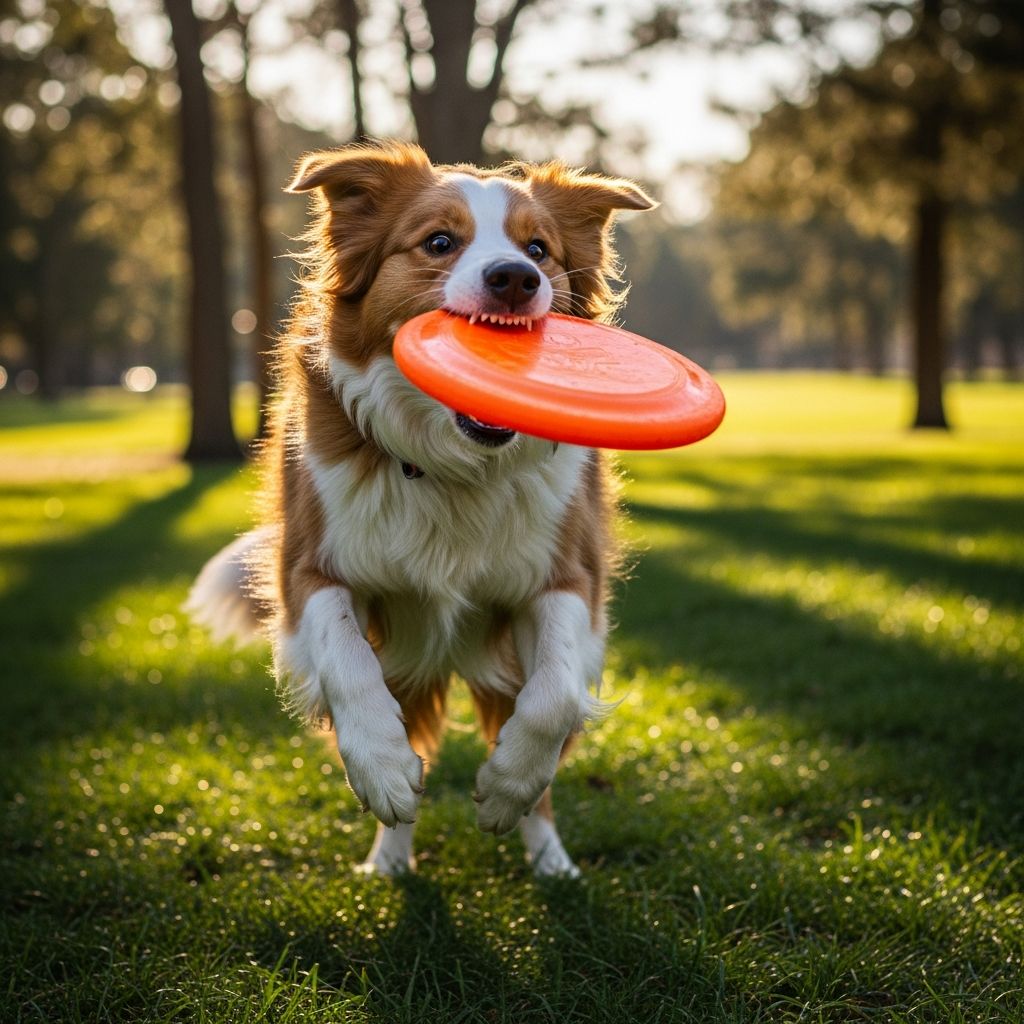
Fetch stands as one of the most rewarding games for dogs and owners alike, combining physical exercise, mental stimulation, and strengthened companionship. Many dogs don’t instinctively grasp the full retrieve cycle—chasing, grabbing, returning, and releasing—but with patient, structured training, virtually any dog can learn. This guide draws from established positive reinforcement strategies to help you build this skill systematically, ensuring sessions remain enjoyable and effective.
Why Fetch Matters for Your Dog’s Well-Being
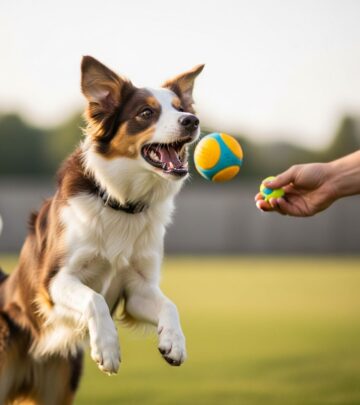
Regular fetch play delivers multifaceted benefits. It provides aerobic exercise that supports cardiovascular health, helps maintain ideal weight, and burns energy that might otherwise lead to destructive behaviors. Mentally, the game sharpens focus, boosts confidence through successful repetitions, and reinforces obedience cues like sit, stay, and drop. For high-energy breeds such as Border Collies or Labrador Retrievers, fetch fulfills innate retrieving drives, reducing frustration and enhancing overall happiness.
Owners gain too: structured play fosters trust and communication, turning daily routines into bonding opportunities. Studies from canine behavior experts highlight how interactive games like fetch improve human-dog relationships, leading to calmer home dynamics.
Selecting the Perfect Fetch Toy
The foundation of successful fetch training lies in choosing toys that captivate your dog’s attention. Not every item works for every dog—observe preferences during initial play to identify winners.
- Texture and size: Opt for soft, grippable materials like rubber or fabric that fit comfortably in the mouth without risking choking.
- Movement appeal: Toys that bounce, squeak, or roll activate prey drive, encouraging pursuit.
- Durability: Select items resistant to heavy chewing for prolonged use.
- Variety: Experiment with balls, discs, ropes, or plush toys to keep interest high and prevent boredom.
Start with one or two favorites, introducing others gradually to expand the game’s versatility.
Building Interest: The Spark of Engagement
Begin in a low-distraction environment like indoors or a fenced yard. Your energy sets the tone—act excited to draw your dog in.
- Dangle or roll the toy enticingly, praising any glance or sniff.
- Gradually encourage closer interaction by wiggling it nearer.
- Use high-value treats or verbal cheers for nose touches or paw contacts, building desire without pressure.
This phase conditions the toy as a source of fun, crucial for reluctant starters.
Core Skill 1: Teaching the Pickup and Hold
Once interest peaks, shape the behavior of mouthing the toy. Positive reinforcement—clickers or markers paired with treats—accelerates learning by marking exact moments of success.
Sit on the floor, present the toy in an open hand, and wait. The instant teeth touch it, mark with a click or “yes!” and reward. Progress slowly:
- Sniff → Touch with mouth → Grip briefly → Hold steady.
- Introduce a cue like “take it” only after consistent holding.
Aim for short durations initially, fading hand support to build independence. According to the American Kennel Club, this methodical buildup ensures reliability.
Core Skill 2: Mastering the Release
Hold without return solves only half the puzzle; reliable drop-it completes the cycle. Trading value prevents tug-of-war standoffs.
With toy in mouth, offer a superior treat while saying “drop.” Praise release, then immediately toss again. Fade treats over sessions, letting the game’s resumption become the reward.
Pro tip: Use two identical toys—one in play, one hidden—to swap seamlessly, teaching exchange without frustration.
Integrating Pickup and Return: Short Tosses
Combine skills with minimal distance. Place toy nearby, cue “get it,” mark pickup, then encourage return by backing away excitedly or using a long line for guidance.
Squat low, pat legs, and cheer approach. Gently take the toy upon return, rewarding before next throw. Repeat 5-10 times per session, ending on success.
Extending Distance and Adding Challenge
With basics solid, scale up gradually—a few inches at a time—to prevent overwhelm.
| Stage | Distance | Focus | Duration |
|---|---|---|---|
| Beginner | 2-5 feet | Return reliability | 5 mins |
| Intermediate | 10-20 feet | Speed and focus | 10 mins |
| Advanced | 30+ feet | Distractions, stays | 15-20 mins |
Incorporate sits before throws to layer obedience. Transition outdoors, varying terrain for real-world proofing.
Common Hurdles and Fixes
Training rarely proceeds flawlessly. Address issues proactively:
- Won’t return: Never chase—increases guarding. Use two-toy trade or long-line recall.
- Drops midway: Reduce distance; reward partial returns.
- Grabs but runs off: Practice indoors; build hold duration first.
- Lack of interest: Switch toys; infuse playfulness with tugs or bounces.
- Over-excitement: Insert calm cues like sit-stay; shorten sessions.
Patience trumps force—regression is normal; celebrate progress.
Advanced Techniques for Pro-Level Fetch
Elevate the game with directional cues (“go left”), multiple toys, or water retrieves. Integrate into agility prep or hunting simulations for working breeds. Positive methods, as outlined by Whole Dog Journal, yield enthusiastic retrievers without coercion.
Session Best Practices
- Keep under 15 minutes to maintain focus.
- End before fatigue; always positive.
- Train daily in short bursts for retention.
- Track progress in a journal.
Vary toys and locations to generalize skills.
FAQs
Can older dogs learn fetch?
Absolutely—adults respond well to shaped behaviors, often faster than puppies due to focus.
What if my dog chews the toy instead?
Select tougher options; teach drop early to redirect.
Is a clicker necessary?
No, but it precisely times rewards, speeding learning.
How to fetch with reactive dogs?
Start solo; use long lines in controlled spaces.
When to add distractions?
Only after 80% success in quiet settings.
Long-Term Benefits and Maintenance
Mastered fetch becomes a lifelong outlet, adaptable for leashed walks or rainy days. It reinforces training foundations, making other commands easier. Regular play combats obesity—key for breeds prone to joint issues—and promotes dental health via chewing.
Monitor for overexertion; rest days prevent injuries. As your dog advances, community games like disc tournaments await, deepening your partnership.
References
- How to Teach Your Dog to Fetch — American Kennel Club. 2023-05-15. https://www.akc.org/expert-advice/training/teach-your-dog-to-fetch/
- Teaching a Dog to Play Fetch — Yarrah Blog. 2022-11-10. https://www.yarrah.com/en/blog/teaching-a-dog-to-play-fetch/
- How to Teach Dog Fetch — CareCredit Pet Care. 2024-02-20. https://www.carecredit.com/well-u/pet-care/how-to-teach-dog-fetch/
- Simple Fetch Training Techniques — PetnPet Blog. 2023-08-05. https://petnpet.us/blogs/news/simple-fetch-training-techniques-that-help-dogs-learn-fast
- Teaching Fetch Using Positive Reinforcement — Whole Dog Journal. 2021-06-12. https://www.whole-dog-journal.com/training/teaching-fetch-using-positive-reinforcement-techniques/
Similar Articles








Read full bio of Sneha Tete