

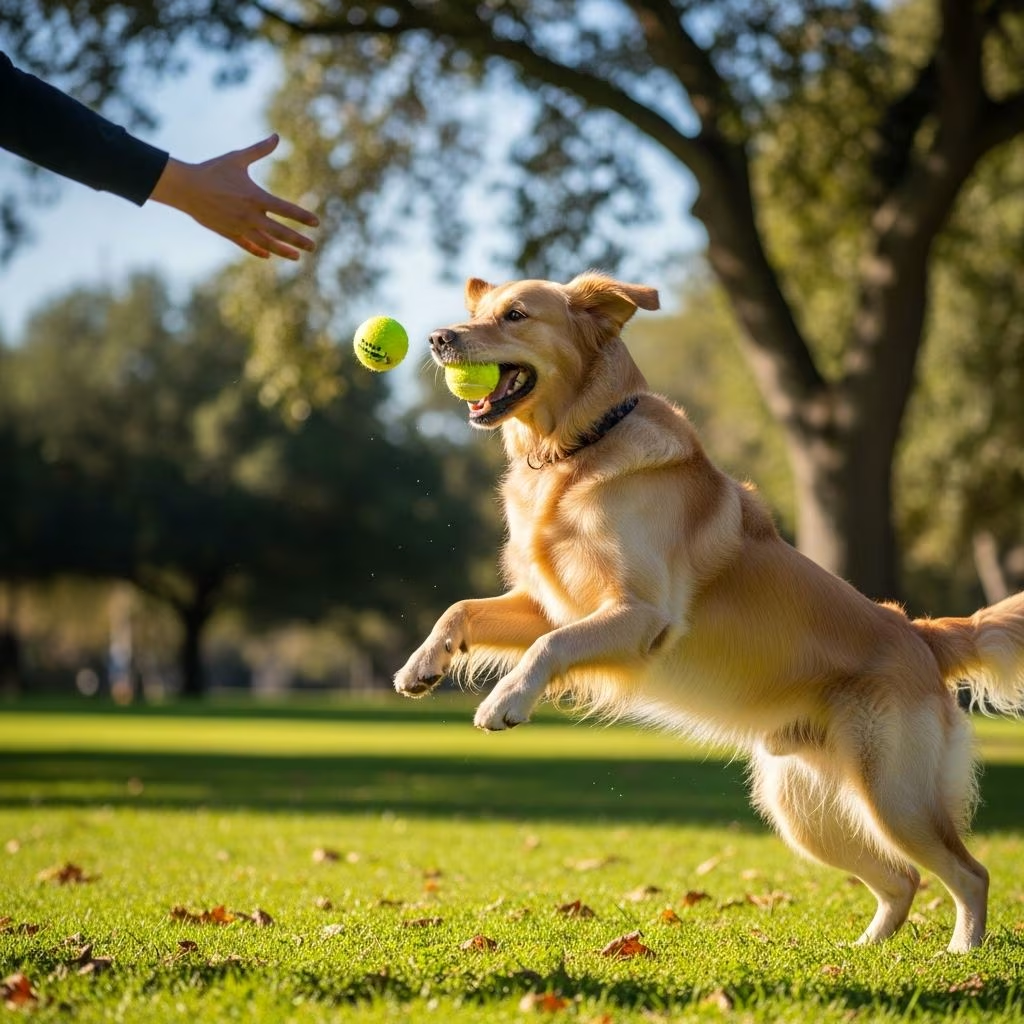
Fetch stands as one of the most rewarding games for dogs and owners alike, fostering exercise, mental stimulation, and a deeper connection. Not every dog instinctively grasps this activity, but with patience and structured positive reinforcement, any pup can become a fetching pro. This guide breaks down the process into manageable phases, drawing on expert techniques to ensure success without force or frustration.
Why Teach Your Dog to Fetch?
Playing fetch offers multifaceted benefits. It provides aerobic exercise crucial for maintaining a healthy weight and cardiovascular fitness, as noted by the American Kennel Club (AKC), which emphasizes fetch’s role in daily physical activity for dogs. Mentally, it sharpens focus and impulse control, turning high-energy dogs into responsive companions. The game also reinforces basic obedience like recall and drop-it, transferable to real-world scenarios.
Beyond health, fetch builds trust. Positive methods reward voluntary participation, boosting your dog’s confidence and enthusiasm. Studies from canine behavior experts highlight how such play reduces anxiety and separation issues by associating you with joy. For working breeds like Labs or Border Collies, it’s an outlet for natural retrieving instincts; for others, it’s a learned skill that prevents boredom-induced mischief.
Selecting the Perfect Fetch Toy
Choosing the right toy sets the foundation for engagement. Opt for items sized appropriately for your dog’s mouth—too small risks swallowing, too large discourages interaction. Soft rubber balls, fleece dummies, or tug ropes work well for starters, as they invite mouthing without damage.
Variety keeps interest alive. Rotate between balls for bouncy chases, plush toys for gentle holds, and discs for aerial fun. Test preferences: some dogs favor squeaky items for auditory appeal, others textured surfaces for grip. Avoid sticks or household objects to prevent injury or resource guarding. High-value toys mimic prey, igniting chase drive naturally.
| Toy Type | Best For | Pros | Cons |
|---|---|---|---|
| Tennis Ball | Puppies, Small Breeds | Bouncy, Affordable | Wears Quickly |
| Flying Disc | Athletic Dogs | Long Throws | Can Damage Teeth |
| Rope Toy | Chewers | Durable, Tug-Friendly | Strings Fray |
| Fleece Dummy | Reluctant Retrievers | Soft Hold | Less Exciting Chase |
Building Initial Interest and Drive
Begin indoors in a low-distraction space to spark curiosity. Sit on the floor, dangle the toy excitedly, and drag it across the ground to mimic prey movement. Praise any glance or sniff—early rewards shape interest without pressure. Use high-value treats like small chicken bits to trade for toy interaction, associating it with positivity.
Progress to gentle tugs. Let your dog “win” occasionally by releasing the toy, then re-engage. This tug-of-war variant builds desire without possession issues. Sessions last 5-10 minutes, ending on a high note to preserve motivation. Puppies under 6 months respond quickest, but adults learn too with consistency.
Mastering the Pickup and Hold
Once interested, teach holding. Present the toy in your open palm, saying nothing initially. Click or praise the moment teeth touch it, then treat. Gradually delay rewards until the dog holds for 2-3 seconds. Introduce “hold” cue only after reliability.
- Step 1: Reward sniffing/mouthing.
- Step 2: Require full mouth grasp.
- Step 3: Fade hand support, praising sustained hold.
- Step 4: Add cue “hold” before offering.
Build duration slowly—short bursts prevent frustration. If your dog drops prematurely, recapture gently and reward partial efforts. This phase typically takes 3-5 sessions.
Introducing the Chase and Pickup
Transition outdoors to a fenced area. Place the toy 2-3 feet away, cue “get it,” and encourage with claps or squeaks. Reward pickup immediately, luring back with treats or movement.
Increase distance incrementally: inches at first, then feet. Alternate placed toys with short tosses to blend skills. Use a long line (20-30 ft) for safety and gentle guidance if needed, avoiding pulls that sour the fun.
- Toss 5 feet; praise chase.
- Require pickup; treat return.
- Extend to 10 feet; add excitement.
Perfecting the Return and Drop
The return separates casual chasers from pros. As your dog approaches, back up enthusiastically, tapping legs to draw them in. Never chase— it teaches “keep away”.
For drop: Offer a treat near their nose while saying “drop it.” Trade consistently at first, fading to verbal cue only. If stubborn, pause play; most dogs release for resumption. Practice two-toy method: throw second toy to swap, building flow.
Table of Common Return Issues:
| Problem | Solution |
|---|---|
| Drops Midway | Increase value of return reward; use long line. |
| Plays Keep-Away | Stop engagement; resume with closer throws. |
| Ignores Return | Back up faster; pair with recall practice. |
Adding Distance, Speed, and Challenges
With basics solid, amp up: longer throws build endurance, varied terrains test focus. Introduce hills or water for adventure, always in safe zones. Multi-toy rotations prevent boredom.
Practice in distractions: start with mild (family present), progress to parks. Sessions: 3x/week, 15 mins, tracking progress in a journal.
Troubleshooting Reluctant Fetchers
Not all dogs fetch naturally. Low-drive breeds like Bulldogs may need extra enticement; injured or elderly pups benefit from modified versions (roll instead of throw).
If aversion stems from past force, rebuild with zero pressure—pure rewards. For chewers dropping too soon, strengthen hold phase. Consult vets for pain-related hesitance.
Training Schedule for Success
Week 1: Interest and hold (daily 5-min).
Week 2: Pickup from distance.
Week 3: Short throws with return.
Week 4+: Full game, vary elements.
Consistency yields 80% proficiency in 4 weeks for most dogs.
FAQs
Can any dog learn fetch?
Yes, all breeds and ages can with adapted methods. Patience is key.
What if my dog won’t drop the toy?
Use trades initially, then cue alone. Two-toy swaps help.
How long until full fetch?
2-6 weeks, depending on starting point.
Is fetch safe for puppies?
Yes, from 8 weeks; use soft toys to protect teeth.
Outdoor vs. indoor training?
Start indoors, progress out for real-world reliability.
Safety Tips for Endless Fun
Monitor for overheating; provide water breaks. Inspect toys regularly. End sessions before fatigue to keep it positive. Fetch enhances life—celebrate every step!
References
- How to Teach Your Dog to Fetch — American Kennel Club. 2023-05-15. https://www.akc.org/expert-advice/training/teach-your-dog-to-fetch/
- How To Train Your Dog To Fetch / Retrieve — Omlet. 2022-11-10. https://www.omlet.us/guide/dogs/training_your_dog/fetch_and_retrieve/
- Teaching a Dog to Play Fetch — Yarrah Blog. 2023-02-20. https://www.yarrah.com/en/blog/teaching-a-dog-to-play-fetch/
- How to Teach Your Dog to Play Fetch (and Love It!) — CareCredit. 2024-01-08. https://www.carecredit.com/well-u/pet-care/how-to-teach-dog-fetch/
- Teaching Fetch Using Positive Reinforcement Techniques — Whole Dog Journal. 2021-07-12. https://www.whole-dog-journal.com/training/teaching-fetch-using-positive-reinforcement-techniques/
- How To Teach Your Dog To Fetch PERFECTLY — McCann Dogs (YouTube). 2023-09-05. https://www.youtube.com/watch?v=VU8yLt0Qsx4



