

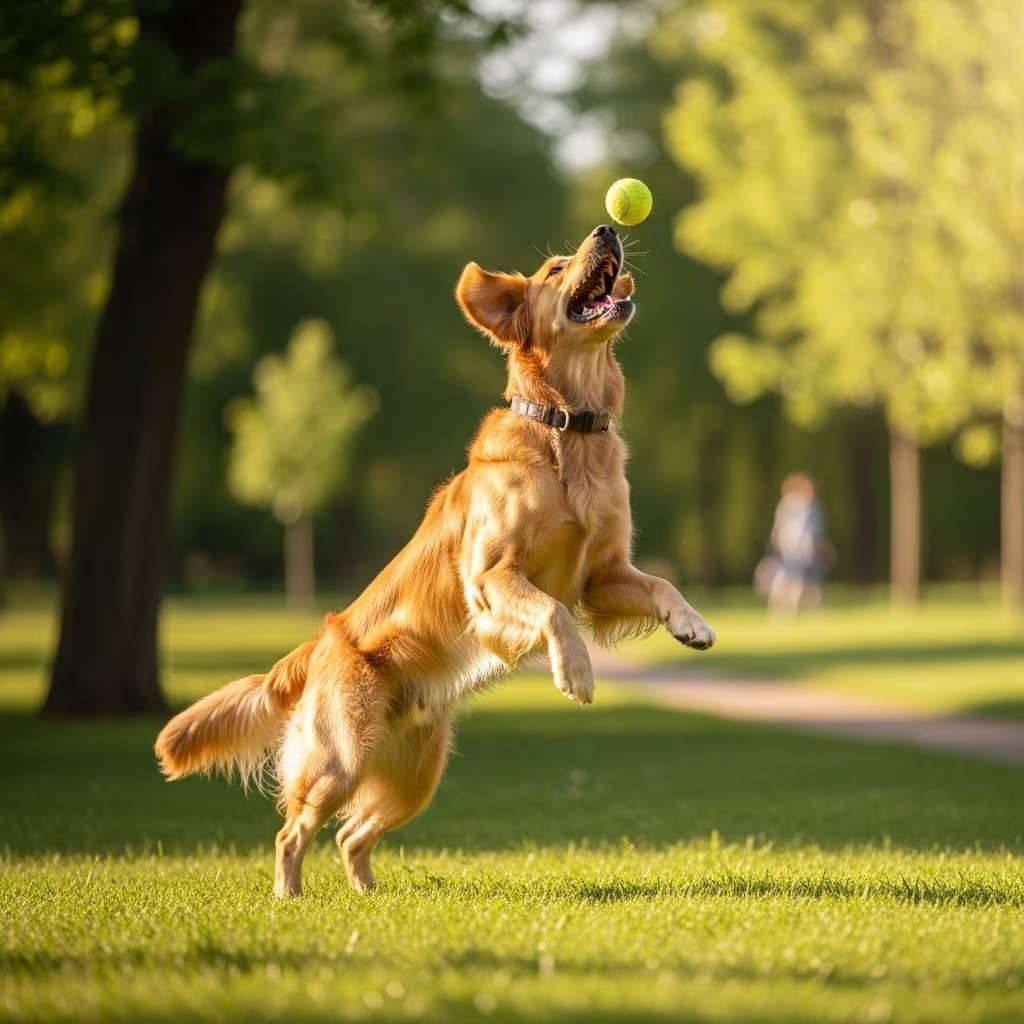
Fetch stands as one of the most rewarding games for dogs and owners alike, fostering exercise, mental stimulation, and a stronger bond. Not every dog instinctively knows how to play, but with patience and structured training, any pup can master it. This guide breaks down the process into manageable phases, drawing on positive reinforcement to ensure success without force or frustration.
Why Teach Your Dog to Fetch?
Playing fetch offers numerous benefits beyond simple fun. It provides aerobic exercise that keeps dogs fit and helps manage weight, while also sharpening focus and impulse control. For high-energy breeds like Border Collies or Labradors, fetch channels their drive productively. Even sedentary dogs gain confidence through structured play. Regular sessions improve recall reliability in real-world settings, as the game reinforces coming back with rewards.
Owners report reduced destructive behaviors after incorporating fetch, as it tires dogs mentally and physically. Start young with puppies for best results, but adults can learn too—consistency is key.
Selecting the Perfect Fetch Toy
Choosing the right toy sets the foundation for enthusiastic participation. Opt for items sized appropriately for your dog’s mouth: small balls for tiny breeds, larger ones for big jaws. Soft rubber or tennis balls work well for most, but avoid hard plastics that could damage teeth.
- Texture matters: Knobby surfaces encourage gripping.
- Visibility: Bright colors or glow-in-the-dark for low-light play.
- Durability: Kong-style toys withstand chewing.
- Variety: Rotate balls, discs, and ropes to prevent boredom.
Test toys by tossing gently—if your dog shows interest, it’s a winner. Personalize based on preferences; some love squeaky plush toys over balls.
Building the Foundation: Spark Interest
Begin indoors in a distraction-free zone to build curiosity without overwhelming your dog. Sit on the floor holding the toy, waving it enticingly. Praise any glance or sniff with a cheerful voice or clicker.
Progress slowly: Roll the toy a foot away, rewarding contact. Use high-value treats like small chicken bits to associate the toy with positivity. Sessions last 5-10 minutes, ending on a high note.
| Stage | Action | Reward |
|---|---|---|
| 1. Show toy | Wiggle in front of dog | Praise for looking |
| 2. Roll short distance | Encourage pursuit | Treat for touch |
| 3. Mouth contact | Wait for grab | Jackpot treat |
This phase typically takes 3-5 days, depending on the dog’s motivation.
Teaching the Hold Command
Once interested, teach holding. Present the toy in your open palm, saying “Hold.” Click or praise the instant teeth touch it, offering a treat. Gradually require longer holds—start at 1 second, build to 5.
If the dog spits it out, don’t force; lure with treats near the toy. Practice 10 reps daily. Introduce hand withdrawal slowly, replacing immediately to prevent drops.
“Break skills into tiny steps for success—short holds repeated beat long ones that fail.”
Introducing Pickup from the Ground
Transition to floor pickups. Place the toy inches away, cue “Get it.” Reward pickup promptly. Inch it farther weekly, using a long leash if needed for guidance.
Alternate toys to generalize the skill. If reluctance appears, return to holding drills. Most dogs grasp this in 1-2 weeks with daily practice.
Mastering the Retrieve and Return
Now combine: Toss 2-3 feet, encourage chase with excitement. Clap, back up, and call enthusiastically. When they approach, trade toy for treat, praising wildly.
Use a long line (20-30 feet) initially to reel in runners. Gradually fade the line as reliability grows. Toss farther only after 90% success nearby.
- Squat low to appear inviting.
- Run backward to ignite chase instinct.
- Never chase the dog—preserve recall value.
Perfecting the Drop or Release
A complete fetch requires giving up the toy. Hold a treat near the dog’s nose while they hold, cue “Drop it.” Reward release instantly. Fade treats by occasionally throwing immediately post-drop.
For stubborn holders, use two-toy trades: Offer a second toy, then swap back. Practice separately from fetch to solidify.
Pro tip: Make release rewarding—the game restarts faster without it.
Advancing the Game: Distance and Distractions
With basics solid, amp up challenge. Increase throw distance to 20+ feet in safe areas. Introduce mild distractions like family members, rewarding focus.
Practice in parks once proficient, using the long line. Vary terrains: grass, sand, leaves. Aim for 10-15 minute sessions, 3-5 times weekly.
Troubleshooting Common Fetch Problems
Dog Chases But Won’t Return
Enhance value: Use highest treats or toys only for returns. Back away rapidly post-toss to pull them magnetically.
Drops Toy Midway
Practice short tosses, rewarding full returns. Build hold duration separately.
No Interest in Toys
Tug first to build drive, then transition. Experiment with flavors—peanut butter-smeared toys.
Runs Off with Toy
Ignore and wait; resume with two-toy method. Never chase.
| Problem | Solution | Time to Fix |
|---|---|---|
| Won’t return | Trade-up rewards, backpedal | 1-2 weeks |
| Drops early | Shorten distance, hold drills | 3-5 days |
| No interest | Tug games, toy variety | 1 week |
Making Fetch a Lifelong Habit
Rotate rules occasionally—sometimes require sits before throws. Group play with other dogs builds social skills, but supervise. Track progress in a journal for motivation.
Winter tip: Use indoor halls or treadmills for snowy days. Senior dogs benefit from gentle versions, preserving mobility.
Health and Safety Considerations
Monitor for overheating—short sessions in heat. Inspect toys weekly for wear. Avoid fetch post-meals to prevent bloat. Consult vets for joint issues before intense play.
Hydrate frequently; end with calm cuddles to downshift energy.
FAQs
How long until my dog learns fetch?
1-4 weeks with daily 10-minute sessions, varying by age and breed.
What if my dog is food-motivated over toys?
Use kibble in toys or trade food for holds, fading gradually.
Can older dogs learn fetch?
Yes—adapt pace, focus on short retrieves.
Best age to start?
Puppies at 8-12 weeks, but never too late.
What breeds excel at fetch?
Retrievers shine, but all can with training.
Conclusion
Fetch transforms routine into joyous partnership. Patience yields a game your dog craves daily. Celebrate milestones—your bond strengthens with every retrieve.
References
- How to Teach Your Dog to Fetch — American Kennel Club. 2023-05-15. https://www.akc.org/expert-advice/training/teach-your-dog-to-fetch/
- How To Train Your Dog To Fetch / Retrieve — Omlet. 2024-02-10. https://www.omlet.us/guide/dogs/training_your_dog/fetch_and_retrieve/
- Teaching a Dog to Play Fetch — Yarrah Blog. 2023-11-20. https://www.yarrah.com/en/blog/teaching-a-dog-to-play-fetch/
- How to Teach Your Dog to Play Fetch (and Love It!) — CareCredit. 2024-01-08. https://www.carecredit.com/well-u/pet-care/how-to-teach-dog-fetch/
- Teaching Fetch Using Positive Reinforcement Techniques — Whole Dog Journal. 2022-07-12. https://www.whole-dog-journal.com/training/teaching-fetch-using-positive-reinforcement-techniques/



