

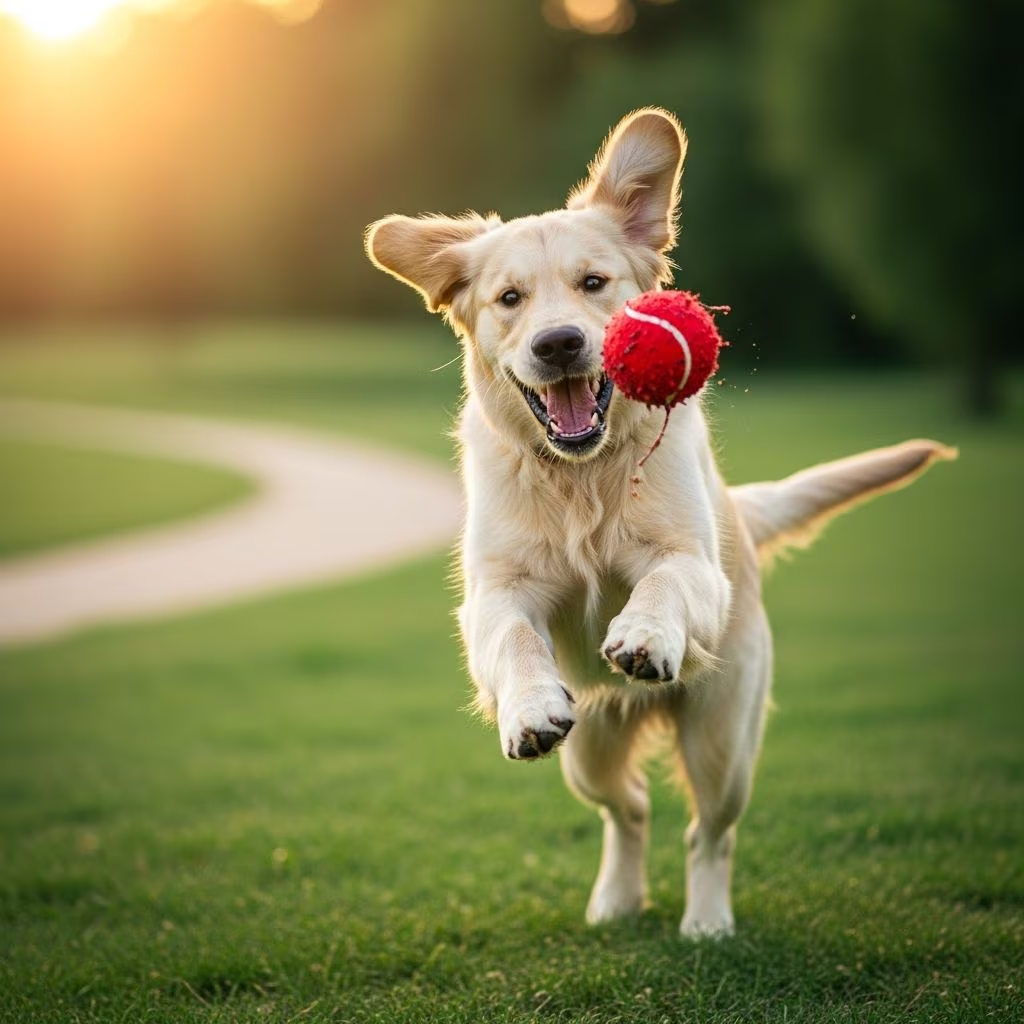
Playing fetch is one of the most rewarding activities you can share with your dog, fostering exercise, mental stimulation, and a deeper bond. Not every dog instinctively knows how to retrieve, but with patience and positive methods, any breed can learn. This guide breaks down the process into manageable steps, drawing from expert techniques to ensure success.
Why Teach Your Dog to Fetch?
Fetch offers numerous benefits beyond simple play. It provides physical exercise that burns energy, helping hyperactive dogs settle down. Mentally, it challenges dogs to focus, follow commands, and problem-solve, which can reduce boredom-related behaviors like chewing or digging. According to the American Kennel Club, structured games like fetch improve obedience and responsiveness. Regular sessions also strengthen your relationship, as dogs thrive on interaction with their owners.
For reluctant retrievers, such as larger breeds or those without herding instincts, training builds confidence. Starting small prevents frustration and turns fetch into a game they love. Sessions should last 5-10 minutes to keep engagement high, gradually increasing as skills develop.
Selecting the Perfect Toy for Fetch Success
The foundation of effective fetch training lies in choosing toys that captivate your dog’s interest. Not all dogs respond to tennis balls; some prefer squeaky plush toys, ropes, or rubber chew items. Opt for lightweight, durable options that are easy to carry in a dog’s mouth.
- Match to preferences: Observe what excites your dog during playtime—bouncy balls for chasers, soft toys for gentle mouths.
- Safety first: Avoid small parts that could be swallowed; ensure toys suit your dog’s size.
- Variety matters: Use multiple toys to prevent boredom and generalize the behavior across objects.
Test toys in a quiet space. If your dog ignores it, add movement to trigger their prey drive, like wiggling or rolling it across the floor.
Building the Basics: Sparking Interest and the ‘Hold’ Command
Begin indoors in a distraction-free zone to teach foundational skills. The goal is to create positive associations with picking up and holding a toy.
- Introduce the toy: Sit on the floor, hold the toy out, and praise any sniff or touch. Use high-value treats to reward interaction.
- Progress to mouthing: Wait for your dog to put their mouth on it before treating. Clicker training works well here for precise timing.
- Add the cue: Say “hold” as they grip it, then gently support the toy while praising. Fade your hand support slowly.
Keep holds short initially—1-2 seconds—building duration over sessions. This prevents overwhelm and ensures success.
Mastering Pickup: From Floor to First Retrieve
Once holding is reliable, transition to picking up off the ground, introducing the “get it” or “fetch” cue.
| Step | Action | Tips for Success |
|---|---|---|
| 1. Hand to floor | Place toy on floor near your dog, cue “fetch,” praise pickup. | Use treats if needed; stay patient. |
| 2. Increase distance | Move toy inches away gradually. | Only advance when 90% success rate achieved. |
| 3. Toss lightly | Gently roll or toss a short distance. | Act excited to encourage chase. |
Practice 10-15 reps per session. If your dog mouths but doesn’t hold, revisit basics. Consistency is key—end on a win to build enthusiasm.
Teaching the Return: Getting the Toy Back Every Time
The return trip is where many dogs falter, turning fetch into keep-away. Use two-toy or trade methods to motivate coming back.
- Two-toy technique: Throw toy #1. When dog picks it up, show exciting toy #2 and toss it aside upon return. Swap repeats teach return = more fun.
- Trade with treats: Call your dog, offer a treat when they approach with the toy. Say “drop it” as they release.
- Build distance: Start close, gradually throw farther while calling “come”.
Never chase your dog—it reinforces running away as play. Instead, make yourself boring and the toy/reward irresistible.
Adding Commands and Refining the Full Retrieve
Integrate obedience cues to create a polished fetch routine.
- Sit-stay: Have dog sit before throws, release with “okay.”
- Drop it: Present a treat or second toy while cueing release.
- Come: Praise heavily on returns, fading lures over time.
Practice the full sequence: wait, chase, pickup, return, drop. Vary toys and locations to proof the behavior.
Overcoming Common Fetch Training Challenges
Even with great methods, hurdles arise. Here’s how to troubleshoot:
- Dog won’t pick up: Increase toy appeal or use tug to build drive before fetch.
- Runs but drops toy: Practice hold longer; reward only full retrieves.
- Keep-away games: Ignore and redirect with higher-value rewards.
- Large breeds struggle: Use softer, larger toys; focus on short-distance success first.
For puppies, keep sessions playful; adults may need more repetition. Track progress in a journal to stay motivated.
Advanced Fetch: Taking It Outdoors and Building Endurance
Transition outside once indoors is solid. Start in fenced yards, using long leashes if needed.
- Gradually add distractions: other dogs, noises.
- Increase throw distance and repetitions.
- Incorporate water retrieves or hills for variety.
Aim for 20-30 minute sessions, watching for fatigue. Rotate toys to maintain interest.
Fun Variations to Keep Fetch Exciting
Elevate basic fetch with these twists:
- Two-ball fetch: Throw second ball as dog returns first.
- Hide-and-seek: Toss and hide toy to engage sniffing.
- Team fetch: Multiple dogs take turns.
These prevent boredom and suit different energy levels.
Health and Safety During Fetch Sessions
Monitor for overexertion: heavy panting, limping. Provide water breaks. Avoid rough surfaces that could injure paws. Consult vets for breed-specific limits, like brachycephalic dogs needing shorter plays.
Frequently Asked Questions (FAQs)
How long does it take to teach fetch?
Most dogs learn basics in 1-2 weeks with daily 10-minute sessions, though full reliability takes 4-6 weeks.
What if my dog is scared of toys?
Start with food-stuffed toys or hand-feeding near the item to build comfort gradually.
Can senior dogs learn fetch?
Yes, adapt with softer tosses and shorter distances to match mobility.
Is fetch suitable for all breeds?
Absolutely; even non-retrievers like Mastiffs can enjoy modified versions.
What treats work best?
High-value like chicken bits or cheese; phase out as play becomes the reward.
Final Tips for Lifelong Fetch Fun
Consistency, positivity, and short sessions yield the best results. Celebrate every step—your dog’s joy will reinforce your efforts. With these techniques, fetch becomes a daily highlight for both of you.
References
- How to Teach Your Dog to Fetch — American Kennel Club. 2023. https://www.akc.org/expert-advice/training/teach-your-dog-to-fetch/
- How To Train Your Dog To Fetch / Retrieve — Omlet. 2022. https://www.omlet.us/guide/dogs/training_your_dog/fetch_and_retrieve/
- Teaching a Dog to Play Fetch — Yarrah Blog. 2023. https://www.yarrah.com/en/blog/teaching-a-dog-to-play-fetch/
- Simple Fetch Training Techniques That Help Dogs Learn Fast — PetnPet. 2024. https://petnpet.us/blogs/news/simple-fetch-training-techniques-that-help-dogs-learn-fast
- Teaching Fetch Using Positive Reinforcement Techniques — Whole Dog Journal. 2022. https://www.whole-dog-journal.com/training/teaching-fetch-using-positive-reinforcement-techniques/



