
Mastering Eye Medication for Dogs
Discover effective, stress-free techniques to administer eye drops and ointments to your dog, ensuring better treatment outcomes and happier pets.
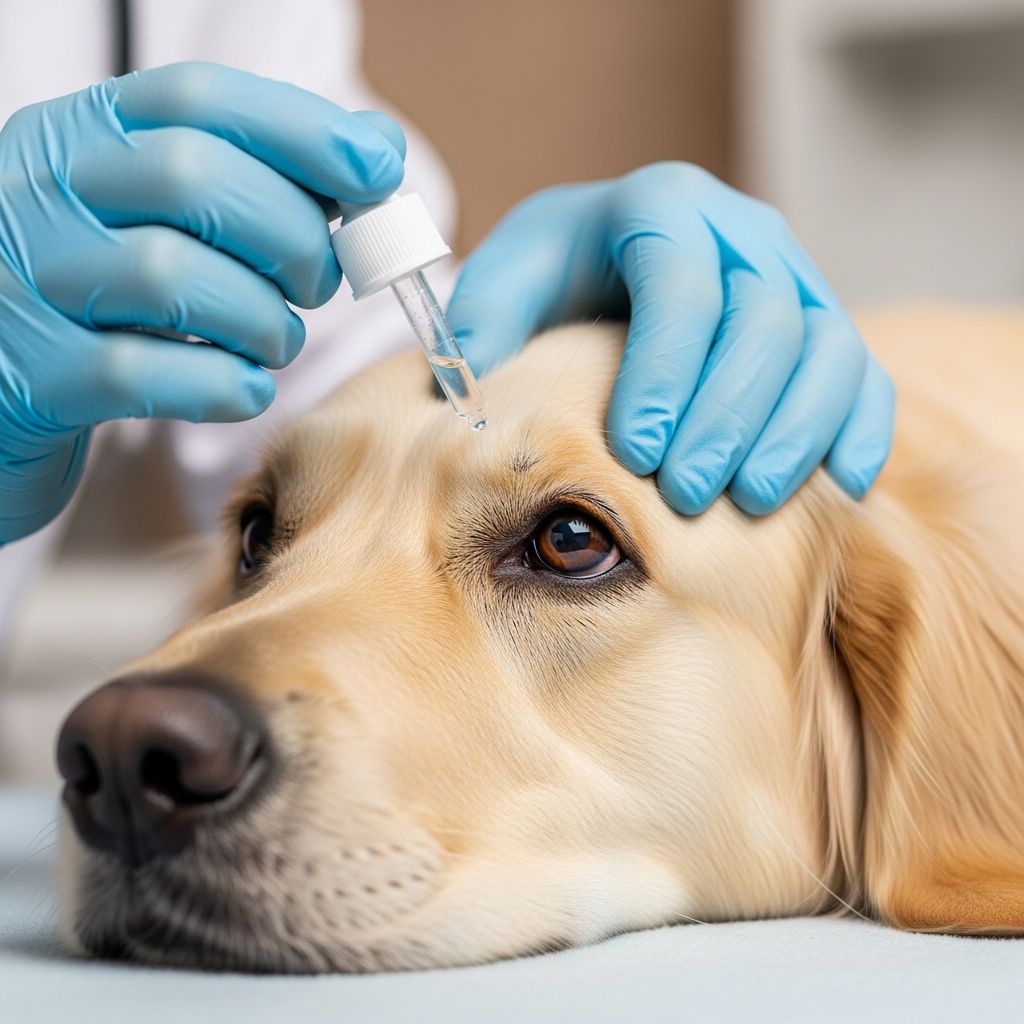
Administering eye medication to dogs can be challenging but is crucial for treating conditions like infections, allergies, or dry eye. With the right approach, you can make the process smoother for both you and your pet, ensuring the medication works effectively. This guide covers everything from preparation to advanced techniques, drawing on veterinary best practices.
Understanding Canine Eye Conditions and Treatments
Dogs often suffer from eye issues such as conjunctivitis, corneal ulcers, or keratoconjunctivitis sicca (KCS), requiring topical medications like drops or ointments. Topical application delivers drugs directly to the affected area, enhancing absorption compared to systemic methods. Common formulations include solutions, suspensions, gels, and ointments, each with specific benefits for retention and efficacy.
The eye’s conjunctival sac holds only a small volume—about 7-30 microliters in small animals—meaning excess medication spills out, often triggered by reflex tearing that increases tear turnover to 30% per minute. Proper technique minimizes waste and maximizes therapeutic contact time.
Essential Preparation Before Administration
Success starts with thorough preparation. Begin by washing your hands to avoid introducing bacteria, especially if the eye is already compromised.
- Read the prescription label carefully to confirm dosage, frequency, and type of medication.
- Shake suspensions well; ointments may need warming slightly by rolling the tube in your hands.
- Gather treats, a towel, and possibly a helper for restraint.
- Position your dog comfortably—sitting, lying down, or wrapped in a towel for “burrito” restraint if anxious.
If the eye is painful, consider a muzzle or sedation as advised by your vet. Clean the eye gently with a saline-soaked cloth if there’s discharge, wiping from inner to outer corner to prevent spreading debris.
Step-by-Step Guide to Applying Eye Drops
Eye drops are the most common form and require precision to avoid contamination.
- Secure the head: Use one hand under the jaw to steady; have a helper tilt the head back slightly with nose up.
- Create a pouch: Gently pull down the lower eyelid with your thumb, exposing the conjunctiva.
- Aim accurately: Hold the dropper ½ inch above the eye, tip not touching any surface, and squeeze one drop onto the center of the eyeball.
- Release and blink: Let go so the dog blinks naturally, distributing the drop.
- Wait if multiple doses: Allow 5-10 minutes between drops to prevent washout.
Apply thinner solutions first, followed by thicker gels. Limit to one drop per application—more doesn’t improve efficacy and causes overflow.
Techniques for Administering Eye Ointments
Ointments provide longer contact time due to viscosity but can blur vision temporarily.
- Prepare the tube: Ensure the tip is clean; hold upside down to form a small ribbon (¼ inch, rice-grain size).
- Expose the eye: Pull down the lower lid or up the upper lid for direct application.
- Apply gently: Place the ointment on the eyeball or inner lower lid without touching.
- Massage lightly: Close the eye and rub around the lids for 30 seconds to spread.
- Monitor reaction: Blinking or squinting is normal; offer a treat to counter bitterness if it drains to the mouth.
For resistant dogs, apply along the inner eyelid as an alternative.
Handling Multiple Medications Effectively
Dogs may need combinations like antibiotic drops and steroid ointments. Order matters: drops first, then gels, ointments last, with 5-minute intervals. This prevents viscous layers from blocking thinner ones.
| Medication Type | Order of Application | Wait Time | Reason |
|---|---|---|---|
| Solutions/Drops | 1st | 5 min | Quick absorption |
| Gels | 2nd | 5 min | Moderate retention |
| Ointments | Last | N/A | Longest contact |
Overcoming Common Challenges with Your Dog
Dogs may resist due to discomfort or instinct. Here are tailored strategies:
- Active or wiggly dogs: Use two people—one to hold, one to medicate—or a towel wrap.
- Fearful pets: Desensitize with daily practice using saline; pair with high-value treats.
- Painful eyes: Apply a cold compress first or consult vet for pain relief.
- Deep-set eyes (e.g., Brachycephalics): Use extra light and a helper; aim for medial canthus.
- Post-application mess: Wipe excess with a soft cloth; expect temporary squinting.
Positive reinforcement builds association: treat immediately after.
Safety Considerations and When to Call the Vet
Avoid touching the applicator to the eye to prevent contamination. If medication enters the mouth via tear ducts, it may cause drooling—harmless but unpleasant. Watch for adverse reactions like increased redness, swelling, or behavior changes; contact your vet promptly.
Store medications as directed—refrigerated if specified—and note expiration. Never use human eye products without vet approval, as canine eyes differ.
Advanced Tips from Veterinary Experts
For chronic cases, consider subconjunctival injections by vets for sustained release, though home care focuses on topicals. Track administration in a log: time, dose, response. This aids vet follow-ups.
Breeds like Pugs or Bulldogs need special care due to anatomy; short-nosed dogs retain less volume. Always follow up on rechecks to adjust treatments.
Frequently Asked Questions (FAQs)
What if my dog shakes its head right after?
Some loss is normal; one drop suffices. Gently hold the head briefly post-application.
Can I use the same bottle for both eyes?
Yes, but avoid cross-contamination; medicate one eye, wait, then the other.
How long do effects last?
Drops: 5-10 minutes contact; ointments longer. Follow vet schedule.
What if I miss a dose?
Give as soon as remembered unless near next; don’t double up.
Is it okay if ointment gets on fur?
Wipe gently; it won’t harm but reduces efficacy.
Long-Term Success in Eye Health Management
Consistent administration prevents complications like vision loss. Combine with environmental controls—reduce allergens, keep areas clean. Regular vet exams ensure optimal protocols. With patience, most dogs adapt, leading to healthier eyes and better quality of life.
References
- Routes of Administration for Ocular Medications in Animals — Merck Veterinary Manual. 2023. https://www.merckvetmanual.com/pharmacology/systemic-pharmacotherapeutics-of-the-eye/routes-of-administration-for-ocular-medications-in-animals
- Applying Eye Drops to Dogs — VCA Animal Hospitals. 2024. https://vcahospitals.com/know-your-pet/applying-eye-drops-to-dogs
- Helpful Tips for Administering Eye Drops to Your Dog — BP Vets. 2017. https://bpvets.net/wp-content/uploads/2017/03/Administering-Eye-Drops.pdf
- Tips for Eye Medication — American College of Veterinary Ophthalmologists (ACVO). 2024. https://www.acvo.org/tips-treatments-tricks/tips-for-eye-medication
- Apply Eye Medications — Crown Town Animal Hospital. 2024. https://crowntownvet.com/apply-eye-medications/
- Eye Medication Instructions — Ohio State Veterinary Medical Center. 2023. https://vmc.vet.osu.edu/sites/default/files/documents/vmc-pharmacy-eye-medication-digital.pdf
Similar Articles








Read full bio of medha deb




